Why giving young people accurate information about pregnancy, consent and sexual health matters.
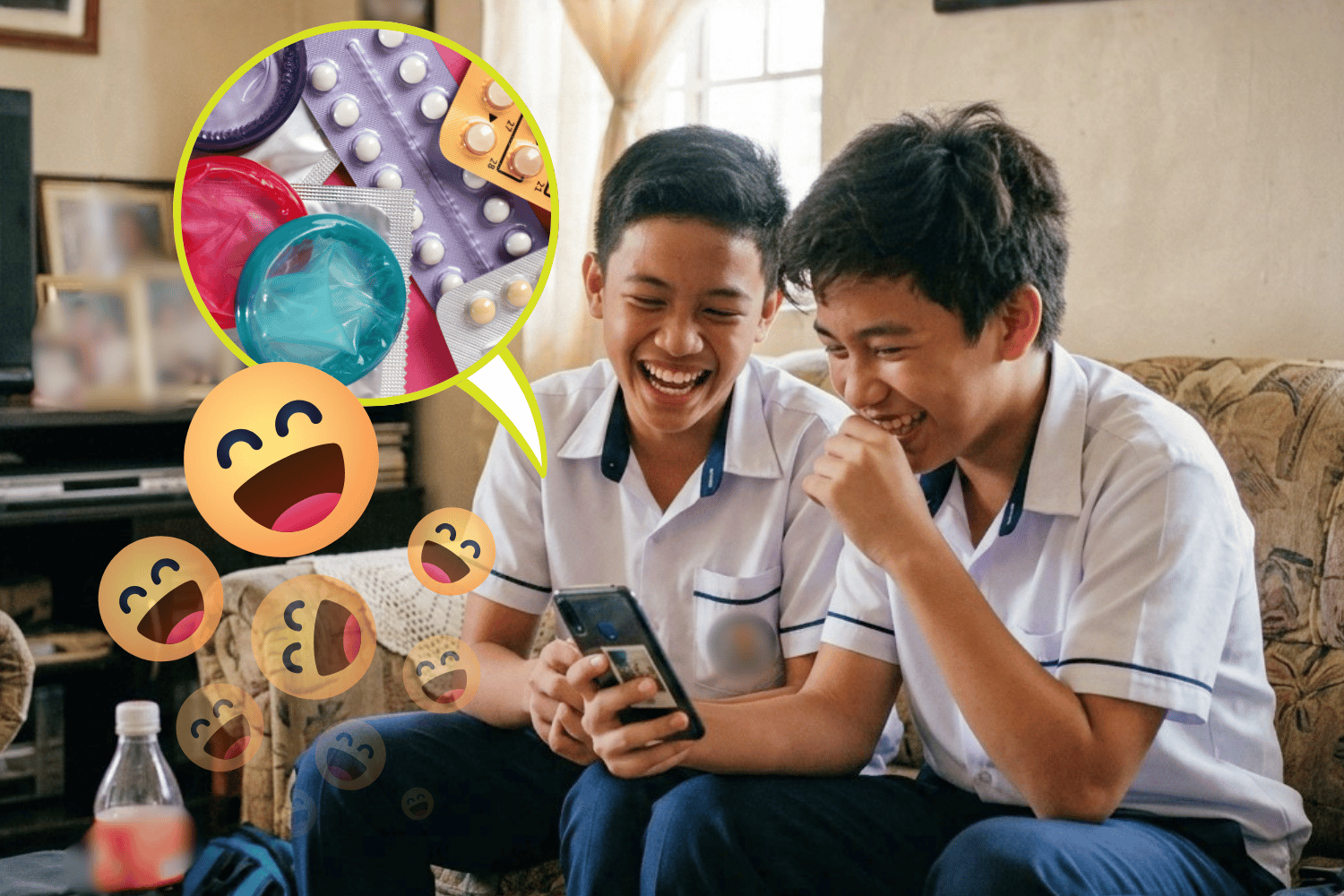
The Department of Education’s announcement that Grade 8 students will be taught the proper use of contraceptives drew “haha” reactions on social media. That response may be funny to some, but it also points to a serious problem with how sex education is understood in the Philippines.
Many Filipinos still treat contraceptive education as an encouragement or invitation for students to become sexually active and “experimental” with one another, rather than an effort to teach young people what sexual activity actually entails, including its risks, responsibilities and consequences.
That reaction is particularly concerning in a country where teenage pregnancy remains a real public-health and social issue. Data from the Philippine Statistics Authority show that 4.9% of Filipino women aged 15 to 19 had experienced pregnancy in 2025, while 4.8% had already begun childbearing.
The rates were higher among poorer teenagers and those with less education, highlighting how teenage pregnancy can also reflect differences in access to information and resources.
DepEd’s announcement does not tell teenagers to have sex and instead argues that responsible reproductive health and ways to avoid unwanted pregnancies are already part of the curriculum, with actual contraceptive use taught in Grade 8.
The distinction should be obvious, yet online reactions suggest otherwise. Sex education is about giving young people accurate information about their bodies, consent, pregnancy, sexually transmitted infections, and consequences instead of leaving them clueless.
Leaving teenagers uninformed does not make teenage sex disappear, but it can leave social media, peers, and misinformation to fill the gap.
Parents still have an important role in teaching values and responsibility, but they cannot monitor their children every hour of the day. Schools are one of the few places where young Filipinos can receive information systematically and from trained educators.
A more informed approach to reproductive health can give teenagers the knowledge to recognize risks, understand consent, and make decisions with greater awareness, while giving parents and schools a common foundation for conversations that are often avoided at home.
If the country wants to bring teenage pregnancy down, reproductive health education should be treated as part of prevention rather than something to laugh at, with its success measured by whether young people leave the classroom better equipped to protect their health and future.
READ: