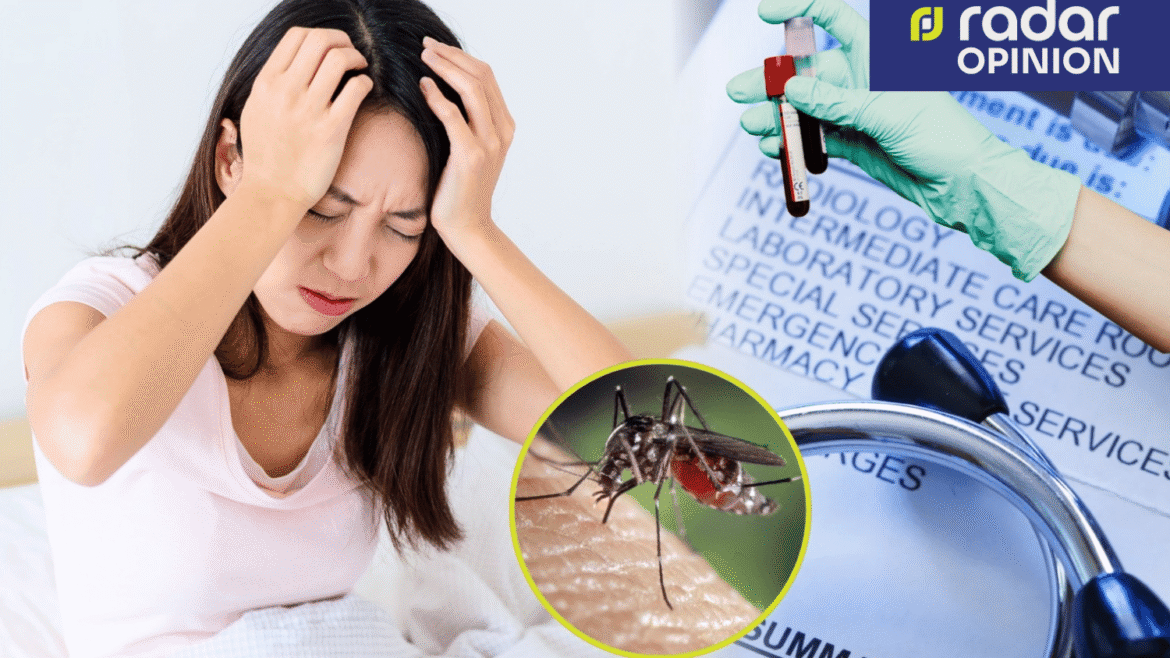
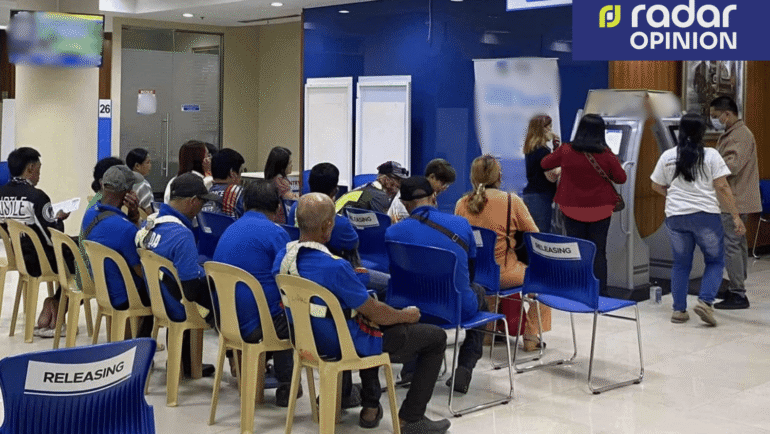
There is still no nationwide vaccine program or Wolbachia method; only reactive, community-level measures are in place.
Dengue cases are expected to rise again as tag-ulan approaches. But in any season, dengue is a constant threat—killing close to a thousand Filipinos a year. Yet based on their response, health officials seem willing to let it happen.
By the end of 2024, the Department of Health recorded over 340,000 dengue cases and about 900 deaths. By mid-2025, more than 110,000 cases and 400 deaths had already been reported. By January 2026, the system had logged at least 7,400 cases.
Still, the dengue response remains largely reactive and fragmented. The DOH continues to rely on the “5S” strategy: search and destroy, seek early consultation, self-protection measures, say yes to fogging during outbreaks, and sustained hydration. Local governments conduct regular clean-up drives. While necessary, these are only the minimum.
Other countries have gone further, pairing community-based solutions with science-backed interventions. Notably, they have dengue vaccination programs, while the Philippines remains trapped in the long shadow of the Dengvaxia controversy.
The ghost of Dengvaxia
In November 2017, manufacturer Sanofi disclosed that Dengvaxia, which had been rolled out in the country in April 2016, could increase the risk of severe dengue in people not previously infected.
The public quickly and mistakenly claimed the brand itself would cause severe dengue. Worse, sensationalized reporting, misinformation on social media, political theater, and unsubstantiated claims—even from health authorities—fueled mass hysteria and led to long-term distrust and inaction.
The DOH and other government agencies could’ve moved forward in the years since. But other priorities replaced urgency: budgets to secure, positions to protect, and politics to play.
The scientific divide
Better tools have since emerged. The World Health Organization now recommends the Qdenga dengue vaccine developed by Japan’s Takeda. It’s already approved in over 40 countries, including our Southeast Asian neighbors Indonesia, Malaysia, Vietnam, and Thailand. Locally, it’s been awaiting regulatory approval since 2023.
There’s also the Wolbachia method from the World Mosquito Program, which involves releasing mosquitoes carrying a natural, human-safe bacteria into the wild to block the spread of dengue and other viruses, like chikungunya and Zika.
It works in two ways. Mosquitoes without Wolbachia fail to reproduce when they mate with infected ones, and those that carry the bacteria pass it on. Gradually, they’d lose the ability to transmit viruses to people. Since 2022, the program said it has protected over 10 million people across 14 countries worldwide.
Cebu City adopted the Wolbachia method in July 2025. In February of that year, the DOH expressed openness to the method.
They always have an excuse ready. As the age-old saying goes, “Kung gusto, may paraan; kung ayaw, maraming dahilan.”
Even with expanded PhilHealth coverage, dengue-related hospital bills can still reach hundreds of thousands of pesos. Families also lose income, especially when patients and caregivers miss work. Lost income across the population is at least a billion pesos—and that’s just a modest figure.
The true cost of ‘Bahala na’
Ultimately, it’s not just a public health issue but also misgovernance. Solutions have long existed, but repeated delays have turned dengue management in the Philippines into tolerance, bahala na, okay na ‘to.
Physicians uphold the Declaration of Geneva, the modern version of the Hippocratic Oath. It begins with a simple but weighty promise: “I SOLEMNLY PLEDGE to dedicate my life to the service of humanity.” The DOH doesn’t reflect that.
Curiously, the DOH said it’s aiming for zero dengue-related deaths by 2030. But with this level of incompetence, it feels completely unreal.
Close to 1,000 Filipinos die of dengue every year. As the rainy season approaches, find out why the DOH’s rejection of vaccines and advanced mosquito control isn’t just a failure of health—it’s misgovernance.
READ: