Alex Eala is only beginning what promises to be an extraordinary career.
There was a time when the Philippines seemed to stop.
Families gathered around television sets. Restaurants and malls became unusually quiet. Even people who were not boxing fans knew exactly when Manny Pacquiao was fighting because the entire country seemed to hold its breath together.
For years, many believed no Filipino athlete would ever create that kind of national excitement again.
Then came Alex Eala.
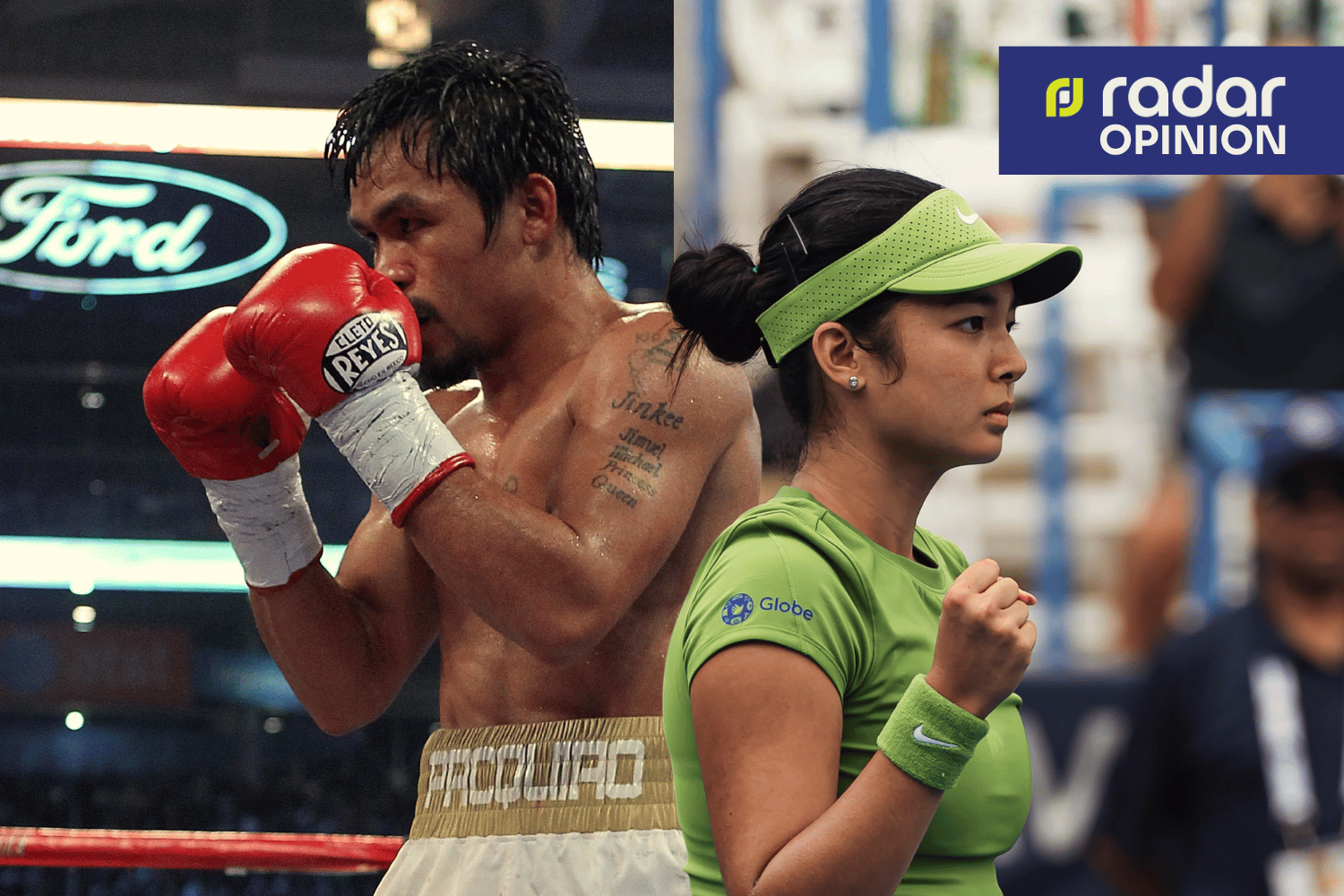
No, she is not the “new Manny Pacquiao.” Even Eala herself has rejected the comparison, saying she is still very far from the boxing legend’s stature and that no one can replace him. She is right. Pacquiao’s legacy as an eight-division world champion is unmatched and will forever occupy a special place in Philippine sports history.
But perhaps people are comparing them for the wrong reason.
The comparison has very little to do with boxing or tennis. It has everything to do with what happens to a nation when an athlete gives its people a reason to believe.
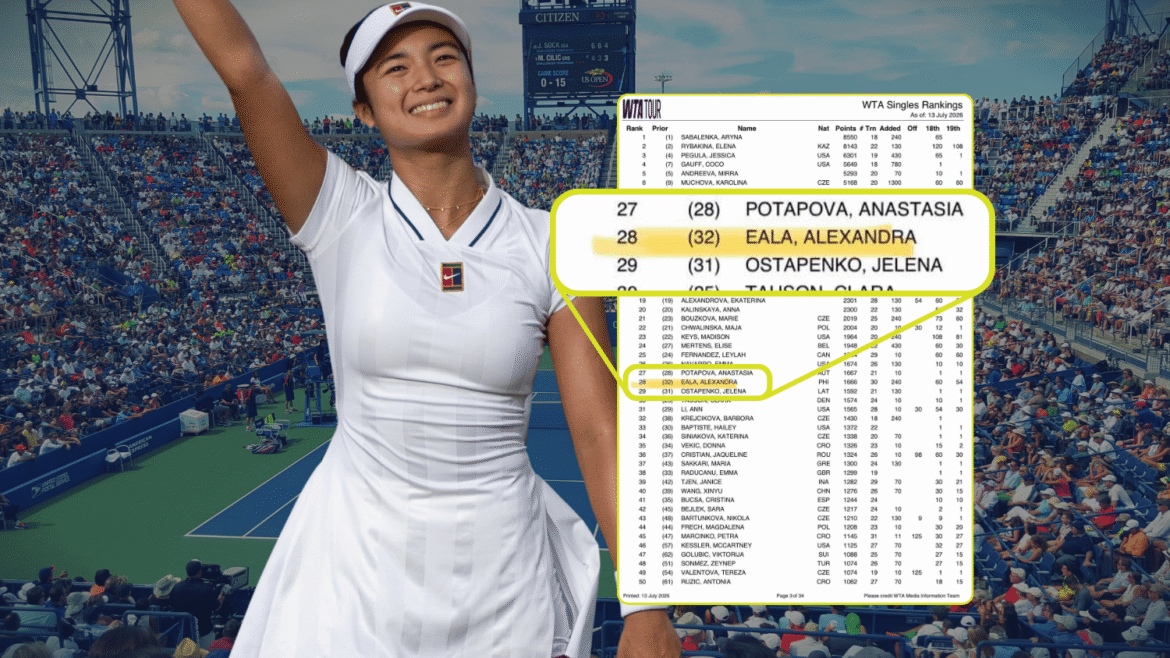
Pacquiao showed the world that a young man from General Santos City could conquer the biggest stages in Las Vegas. Eala is proving that a Filipina can stand toe-to-toe with the world’s best tennis players, defeat Grand Slam champions, and win a WTA Tour title in a sport where the Philippines has never traditionally been a powerhouse.
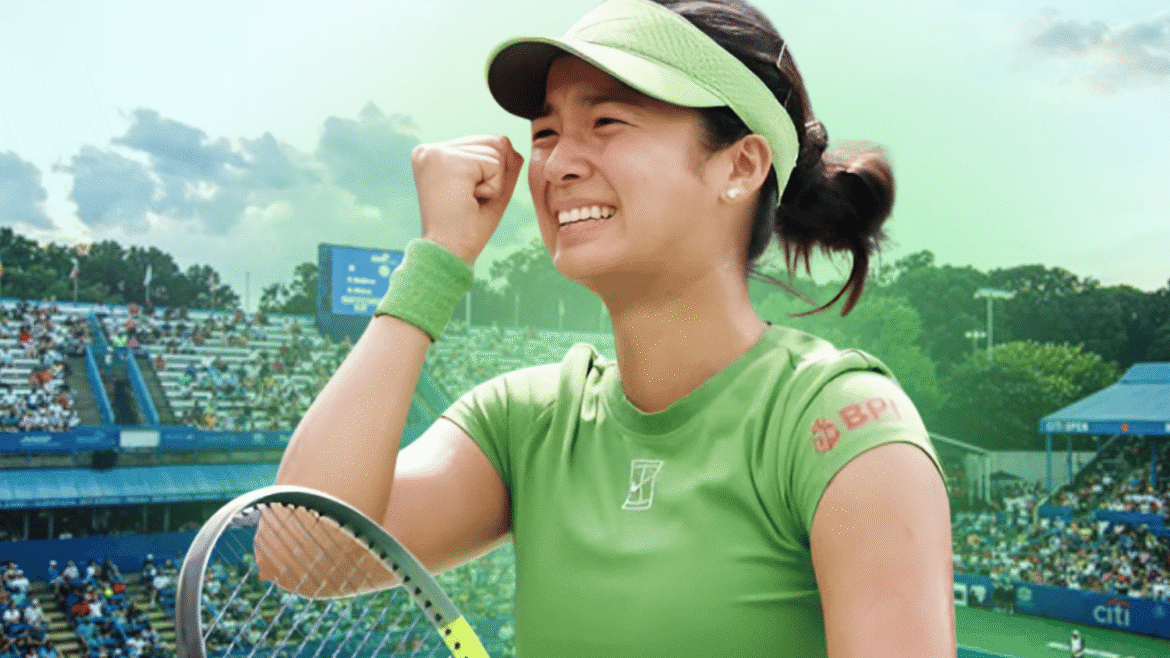
When she won the Mubadala D.C. Open after defeating world No. 3 Jessica Pegula, the victory became more than another sporting achievement. Filipinos stayed awake deep into the night to watch her matches. Social media erupted after every point. Offices, schools, and family group chats suddenly revolved around tennis.
That feeling is strangely familiar.
Pacquiao made millions of Filipinos care about boxing. Eala is beginning to do the same for tennis. A sport once considered too expensive, too foreign, or too inaccessible for many Filipinos has suddenly become a national conversation. People who barely understood the rules are now discussing rankings, break points, and tournament draws with genuine excitement.
That is what great athletes do. They don’t simply win championships; they make an entire nation care about a sport it once ignored.
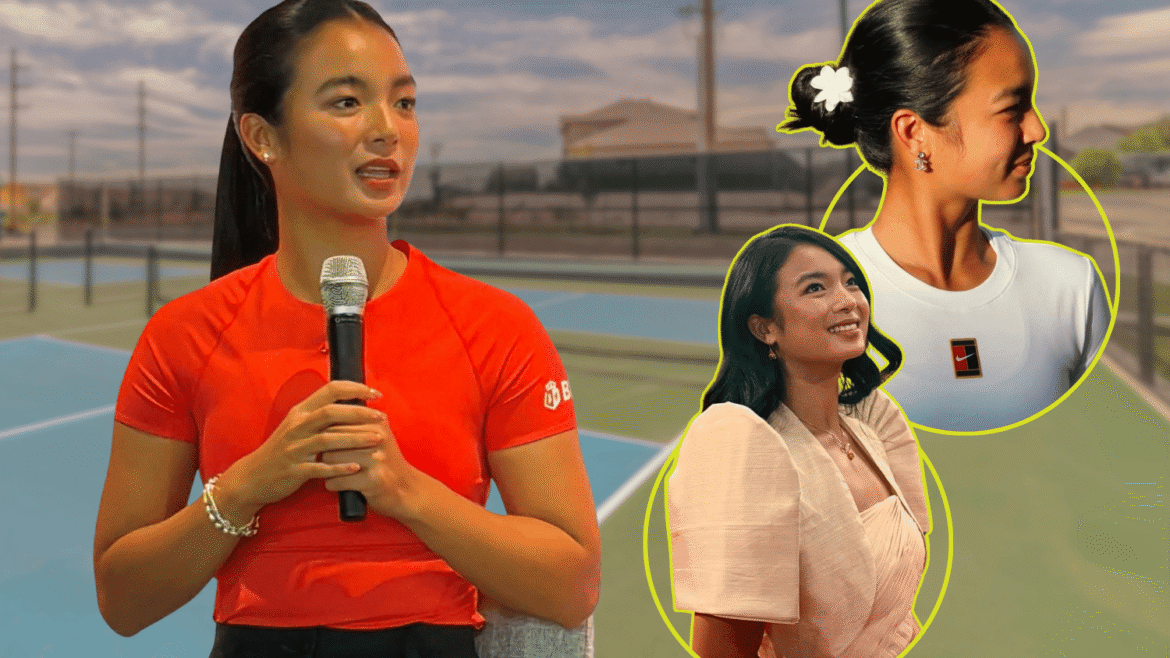
Their influence also extends beyond medals and trophies. Pacquiao inspired countless young Filipinos to dream of becoming professional boxers. Eala is already encouraging another generation to pick up a tennis racket and imagine themselves competing on the world’s biggest courts.
More importantly, both athletes have reshaped how the international sporting community sees the Philippines. Pacquiao transformed the country into a major destination for boxing talent and attention. Eala is now putting Philippine tennis on the global map, earning respect from commentators, fellow players, and fans around the world.
This is why the comparison continues to resonate.
People are not saying Alex Eala has already achieved what Manny Pacquiao did. That would be unfair to both athletes. Pacquiao’s accomplishments remain one of the greatest stories in sports history, while Eala is only beginning what promises to be an extraordinary career.
What Filipinos are recognizing is something less tangible but equally powerful.
It is the excitement before every match, the nervous anticipation during every crucial point, and the collective celebration after every victory. It is the rare feeling that, for a few hours, an entire nation is united behind one athlete wearing the Philippine colors.
Alex Eala may never become another Manny Pacquiao because she is creating a legacy that is entirely her own.
But if the measure is the ability to make Filipinos dream together once again, then she is already doing something the country has not experienced since Pacquiao’s greatest years.
READ: