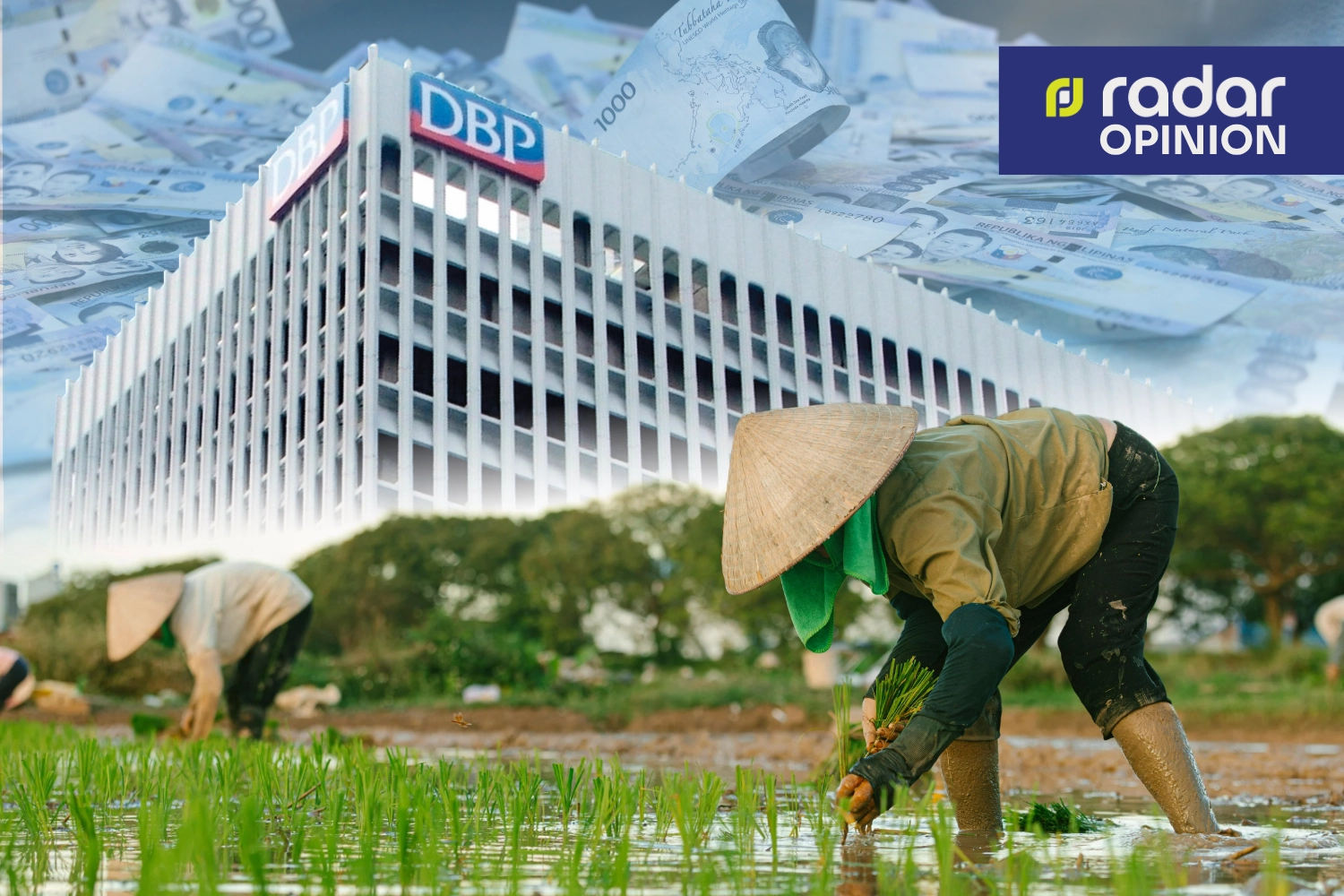
A new ₱100-million credit facility extended by the state-owned Development Bank of the Philippines (DBP) to a Cagayan Valley agricultural cooperative puts the spotlight on an often overlooked part of the country’s rice industry. Farmer cooperatives can play a much bigger role in making sure agricultural produce finds its way to the market.
The financing, extended to the Unified Tillers Agriculture Cooperative (UTAC), is intended to support its working capital requirements and boost its capacity to procure palay. The cooperative has 8,000 farmer beneficiaries and is involved in consolidating and distributing locally produced rice in Cagayan, Isabela and Bulacan.
The arrangement is worth looking at beyond the amount of financing involved. It points to a part of the agricultural supply chain that deserves greater attention. Farmers need more than the ability to produce rice. They also need buyers with the capacity to purchase their harvests and bring them to market.
Much of the conversation about improving Philippine agriculture revolves around increasing production. There is considerable attention given to better seeds, modern equipment, affordable fertilizers and access to financing. These are all important, but the work does not end when farmers harvest their palay.
Producing more rice means little if farmers struggle to find buyers or lack the resources to sell their harvests. A good harvest must also translate into an opportunity to earn, and this is where agricultural cooperatives can make a difference.
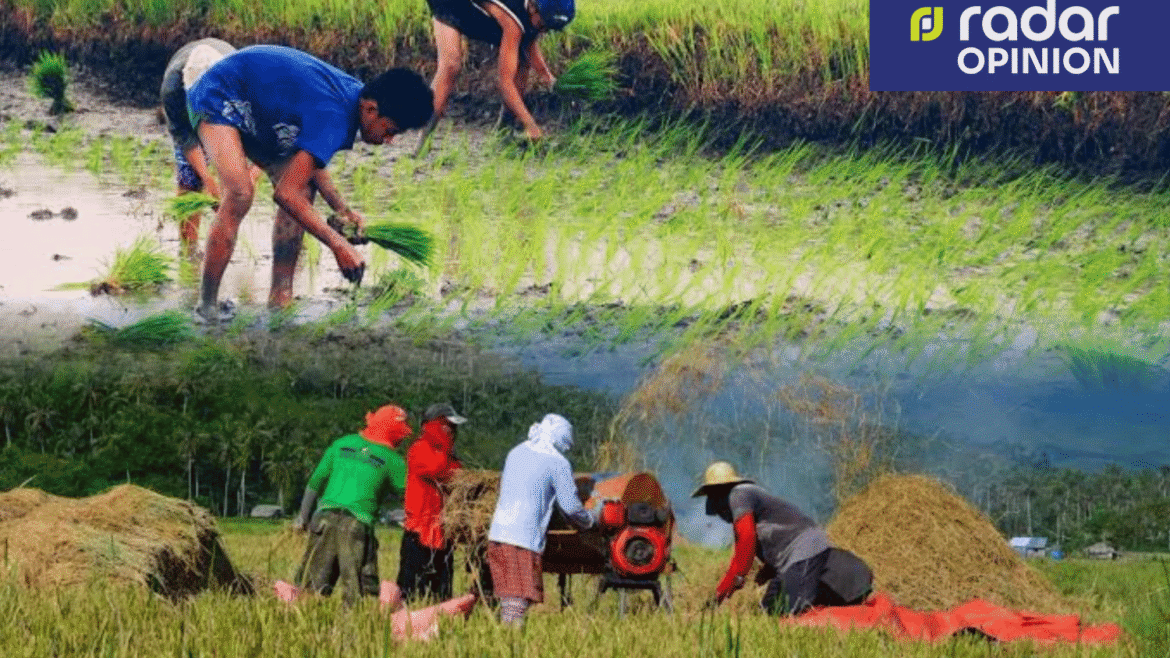
By bringing farmers together, cooperatives can consolidate harvests, pool resources and organize procurement and distribution. With adequate capital, they can become stronger buyers of palay and connect individual farmers to larger markets. Rather than leaving each farmer to find buyers independently, cooperatives can build the capacity to purchase and distribute produce on a larger scale.
The DBP financing, extended under its partnership with the Department of Agriculture’s Agricultural Credit Policy Council through the BuyANIhan Credit Program, illustrates how institutional financing can help make this possible.
A more active participant in rice supply chain
UTAC’s involvement in consolidating and distributing locally produced rice shows the kind of role cooperatives can assume beyond simply organizing farmers. They can become active participants in the rice supply chain, linking agricultural production with the businesses and markets that move rice to consumers.
Of course, a credit facility alone will not guarantee that farmers earn more. Cooperatives need competent management, efficient operations and dependable buyers for the produce they purchase. Access to financing must be matched by the ability to run a viable procurement and distribution business.
But this is precisely why cooperatives deserve greater attention in the country’s agricultural development strategy. Government support should not focus solely on helping farmers produce more. It should also strengthen the organizations that can buy their harvests, consolidate supply and connect local producers to the market.
The Philippines cannot keep measuring agricultural progress by how much rice farmers produce while giving less attention to how they sell it. A bigger harvest is good, but it is hardly enough if farmers still struggle to find buyers.
Farmers need stronger markets, and cooperatives can help build them.
That’s the point.