Temporary walls, artwork displays, and clearing operations have changed parts of Metro Manila ahead of the country’s hosting of the 49th Association of Southeast Asian Nations (ASEAN) Summit, drawing accusations that the government is hiding urban poverty from visiting foreign delegates by keeping poor communities out of sight.
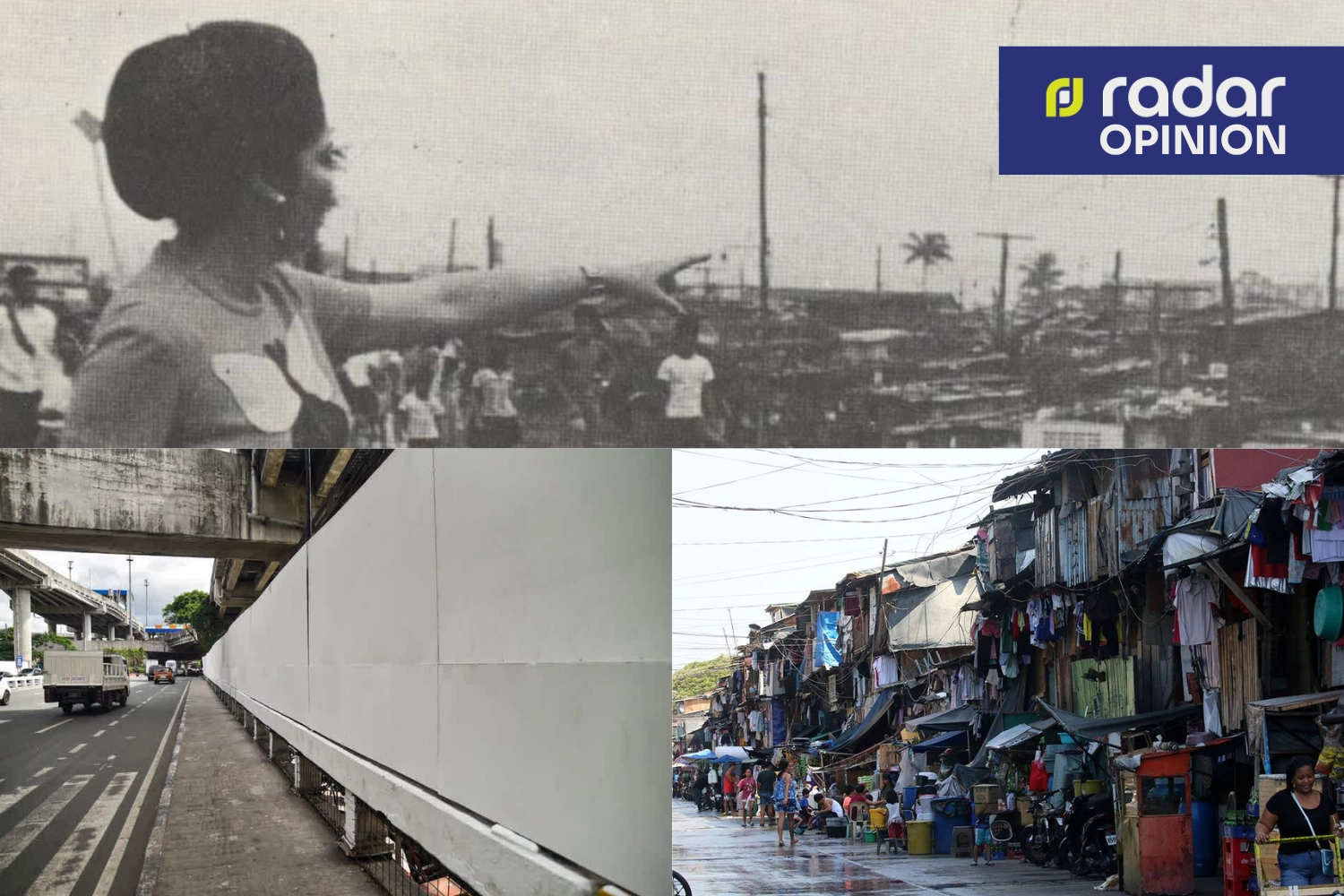
In Parañaque City, boarded-up walls have appeared along Tambo Bridge, with structures reportedly covering sections of the area for around two weeks, according to local accounts.
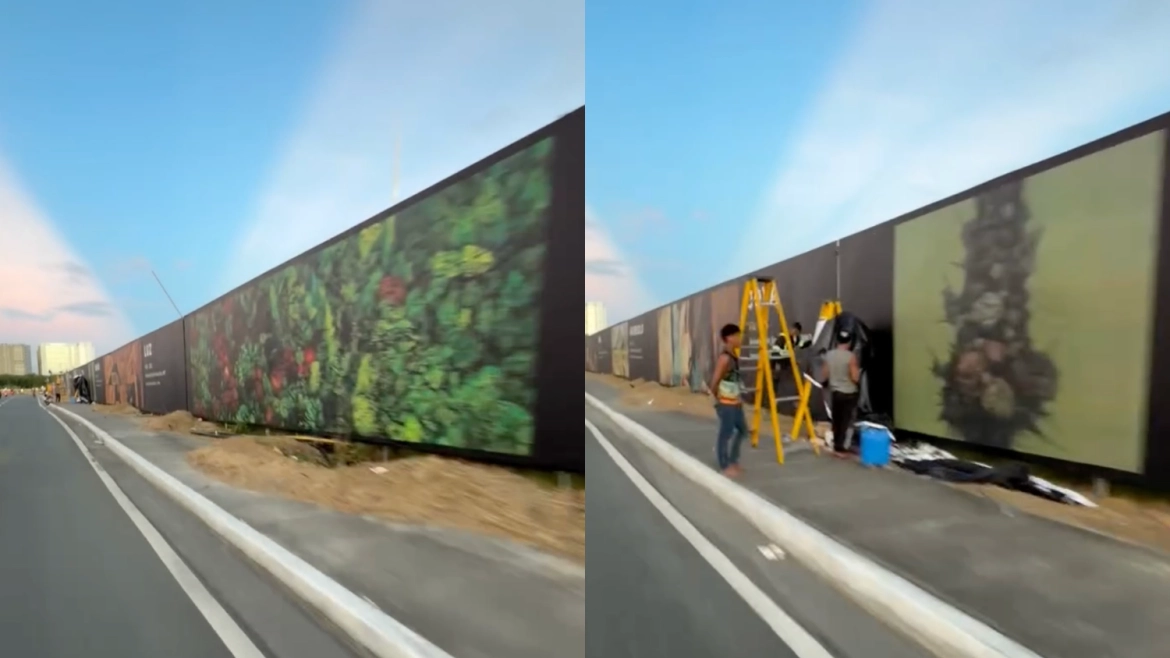
In nearby Pasay City, temporary barriers displaying reproductions of works by National Artists were installed along Jose W. Diokno Boulevard, while street vendors and homeless people were cleared from areas near major summit venues.
The practice has historical precedents, dating back to the 1970s when then First Lady Imelda Marcos spearheaded beautification campaigns that involved concealing informal settlements behind walls and fences ahead of international events. These included the 1974 Miss Universe pageant and the 1976 annual meetings of the International Monetary Fund and World Bank in Manila.
Similar measures and clearing operations continued under succeeding administrations. Ahead of the 12th ASEAN Summit hosted by the Philippines in Cebu in January 2007 under then President Gloria Macapagal-Arroyo, more than 600 homes in Mandaue and Lapu-Lapu were demolished, while thousands of residents were displaced.
In 2012, the administration of then President Benigno Aquino III also faced criticism for erecting a makeshift wall covered with tourism advertisements along a road leading to the Philippine International Convention Center ahead of the Asian Development Bank’s annual meeting in Manila. The barrier concealed an informal settlement from arriving delegates.
Sanitized version of Metro Manila
Lawmakers and the public alike criticized the current measures, alleging that the installations and clearing operations were intended to present a sanitized version of Metro Manila by keeping poor communities out of sight.
Malacañang rejected the allegations, saying the preparations were focused on ensuring security and demonstrating the country’s ability to host major international events.
The palace said providing adequate security for visiting leaders and delegates was part of the country’s hosting responsibilities.
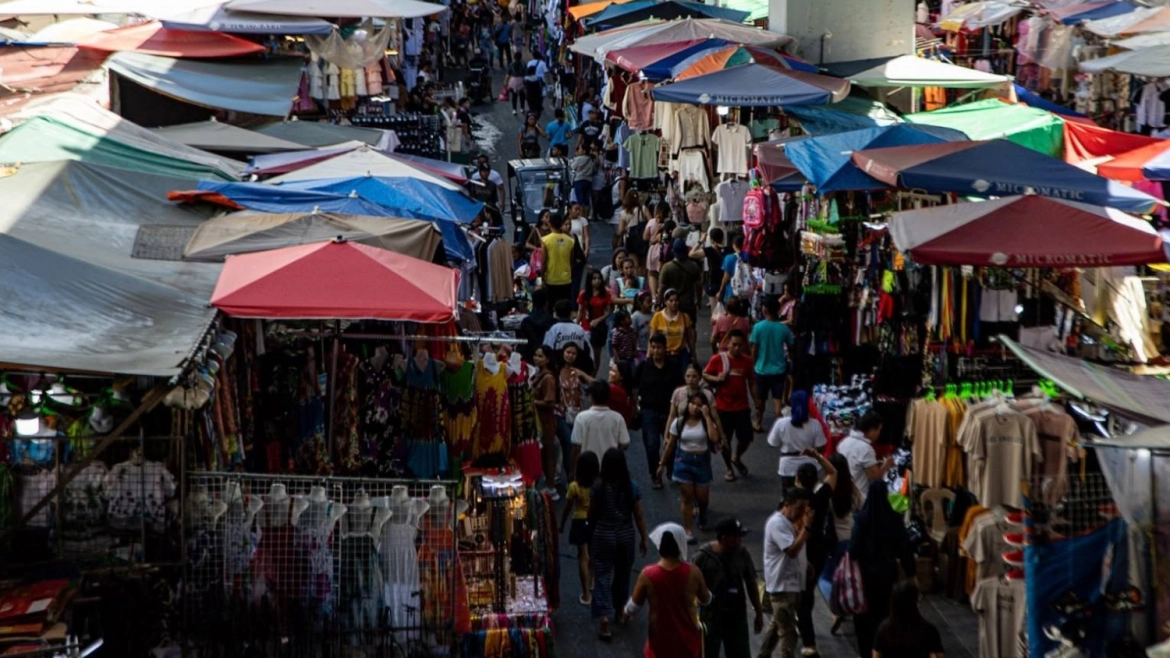
The clearing operations have also affected livelihoods, particularly in Baclaran, where Parañaque temporarily prohibited street vending along Roxas Boulevard, Redemptorist Road, and areas beneath the Light Rail Transit line from November 2 to 20.
The city government said affected vendors had been consulted and would be allowed to return to their previous locations after the summit, subject to regulations.
Continued waste management challenges
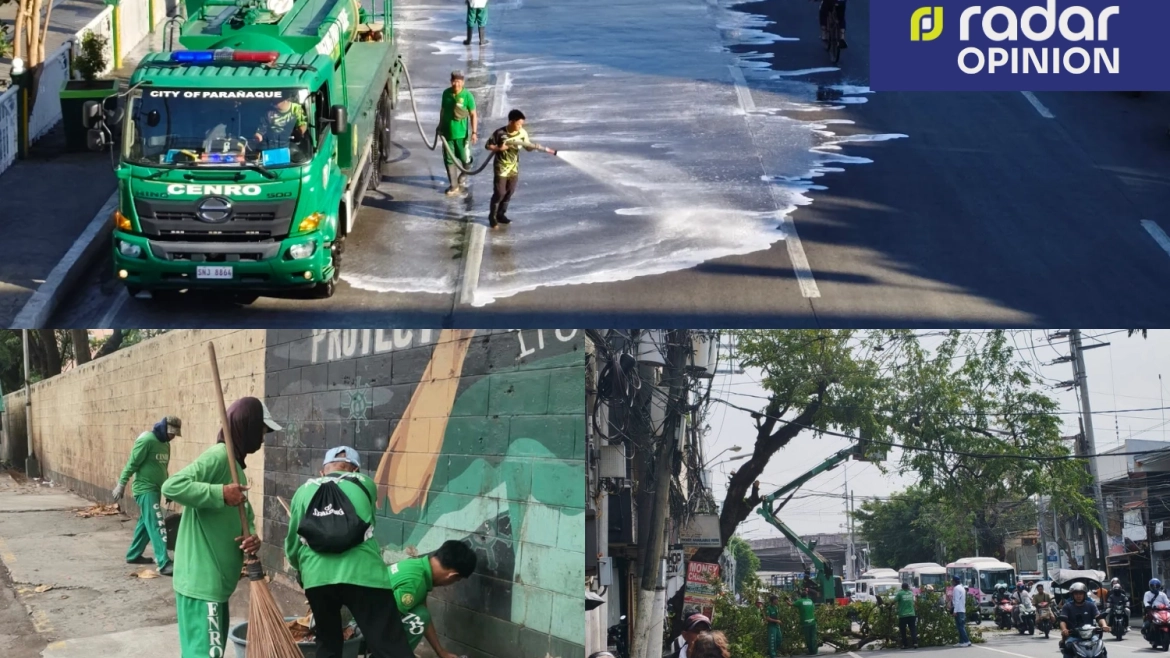
The exchange comes as Metro Manila continues to face substantial waste management challenges, with the region generating an estimated 4.34 million metric tons of solid waste in 2025, according to the Department of Environment and Natural Resources.
Parañaque recorded one of the region’s highest per-capita waste generation rates at 1.07 kilograms per person per day in 2024, highlighting environmental concerns that cannot be resolved through temporary visual improvements alone.
The Philippines is hosting the 49th ASEAN Summit and Related Summits in November under its 2026 chairship, with the theme “Navigating Our Future, Together.”
The gathering brings together leaders from Southeast Asian countries and international partners to discuss regional security, economic cooperation, and other shared concerns.
The preparations have prompted questions about whether the improvements will last beyond the summit and reach affected communities.