

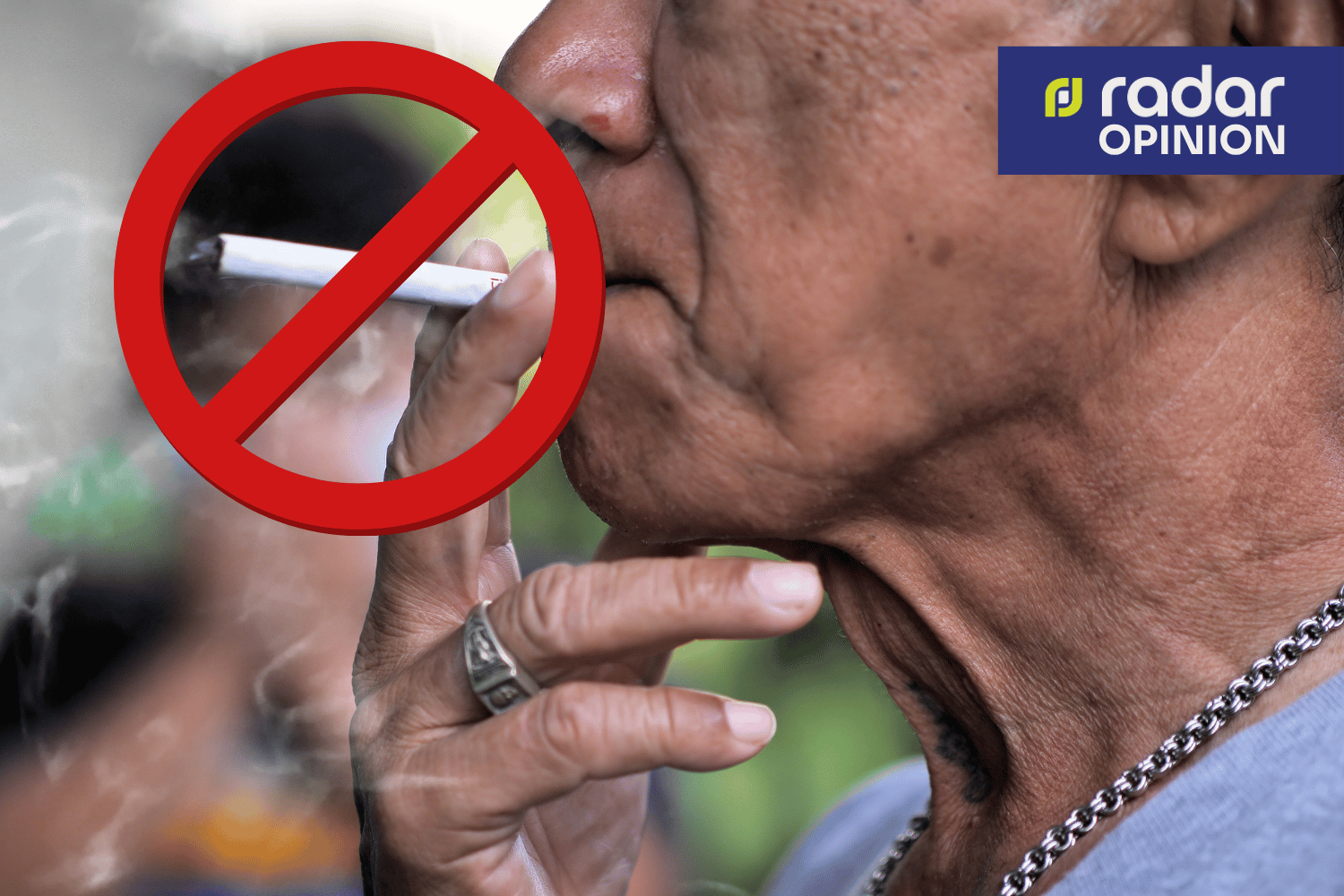

How smoking in shared spaces became routine in the Philippines—and why regulation alone hasn’t been enough to push it back into social disapproval.
Smoking in public is a real problem, for sure, but the more concerning issue is how easily society has learned to tolerate it. It happens freely in shared spaces, often without consequence or embarrassment for smokers, because we have failed to make it feel shameful enough for them to even think twice before lighting up.
At the same time, this did not happen by accident. Smoking was heavily normalized over decades, even glamorized, no thanks to advertising, branding, and campaigns that presented it as sophisticated, rebellious, desirable, or simply part of everyday life.
Those messages may not be as visible as they once were, but their effects linger. Regulation managed to limit where smoking could happen. But it never fully erased the cultural acceptance that helped smoking become so deeply embedded in public life in the first place.
It’s time to demonize smoking again
That is why the conversation cannot end with warning labels and designated smoking areas. If we are serious about protecting public health, then there has to be a stronger social response to smoking itself. We have spent years trying to regulate it. What we have not done nearly enough is make it socially unacceptable.
In fact, there is a strong argument that we need to start demonizing smoking again, not because smokers should be stripped of their dignity, but because the habit itself has been allowed to retain a level of social acceptance that it does not deserve.
The science on smoking has been settled for decades. Smoking has been linked to cancer, heart disease, stroke, respiratory illnesses, and a long list of other health problems. Secondhand smoke carries its own risks, affecting people who never chose to light a cigarette in the first place.
Even thirdhand smoke, the toxic residue left behind on clothes, furniture, walls, and other surfaces, has raised concerns among health experts because exposure can continue long after the smoke itself has cleared.
Yet despite all of that, smoking continues to occupy a strange place in public life. Most people acknowledge that it is harmful. Far fewer are willing to challenge it when it happens right in front of them.
It shows up in the middle of everyday life without warning, whether it is someone stepping out after a meal to light a cigarette or BPO workers on their “yosi break” clustered outside a building, each one of them inhaling each other’s smoke.
It has been around long enough, and seen often enough, that people have become desensitized to it, to the point where it feels “okay” simply because calling out every smoker you see in public no longer feels realistic given how common it has become.
And this is only about smoking for now. Vaping and its own set of effects is a separate conversation entirely.
That desensitization is where tolerance lives, not in approval, not in support, not even in agreement, but in the habit of letting it pass.
Smoking in public should never be accommodated
There are moments when that tolerance gets tested in small but telling ways. Once, I was riding a jeepney when the driver started smoking. This visibly annoyed many passengers who had no choice but to sit there and breathe it in. A few of us called out his attention, pointing out that smoking was not allowed in public utility vehicles. But instead of putting out the cigarette, he simply said that if we did not like it, we could get off and take another ride.
That response says everything about how smoking is often treated in everyday life.
Often, we are forced to adjust, step aside, hold our breath for a moment, walk around it, and tolerate it anyway.
And in doing so, smoking remains comfortably present in spaces where it should feel increasingly out of place. Not because people do not know the risks, and not because regulations do not exist, but because the social pressure around it has become too weak to matter consistently.
Instead, smoking is often treated as a personal choice that deserves accommodation, even when that choice spills into shared air and affects people who simply want to breathe in clean air.
Many smokers act as if they have the “right” to smoke wherever they please, whenever they want. But that idea does not hold up. The burden of protecting one’s health should not fall on the public, who are forced to share the same air. It should not be on passengers in a jeepney or people walking through a sidewalk to constantly adjust their lives around someone else’s cigarette.
Maybe that is where things went wrong.
Make smoking in public genuinely uncomfortable
We focused on regulating smoking, which was necessary, but we never really succeeded in making it socially unacceptable. We contained it, we restricted it, we moved it around. What we did not do was challenge it strongly enough to make smokers genuinely uncomfortable about imposing it on other people.
Imagine if smoking in public carried the same kind of reaction people give to catcalling, spitting inside a mall, or a neighbor blasting karaoke long after midnight. The kind of behavior people immediately react to, not because it is rare, but because it crosses a line everyone recognizes without needing a policy explanation.
We allowed smoking in public to feel normal for too long when it should have felt shameful. That is why smoking in public continues to feel acceptable when it should not be.
That, in itself, is a problem.
And that’s the point.
Editor’s Note: This is the first in a series of columns on smoking in public in the Philippines, including how it was normalized, why tolerance persists in shared spaces, and why the idea of “acceptable smoking areas” needs closer scrutiny. The next installment follows next Sunday.
We allowed smoking in public to feel normal for too long when it should have felt shameful. That is why smoking in public continues to feel acceptable when it should not be.
READ:
Health groups question sale of unregistered ZYN nicotine pouches
radar Business
April 24, 2026
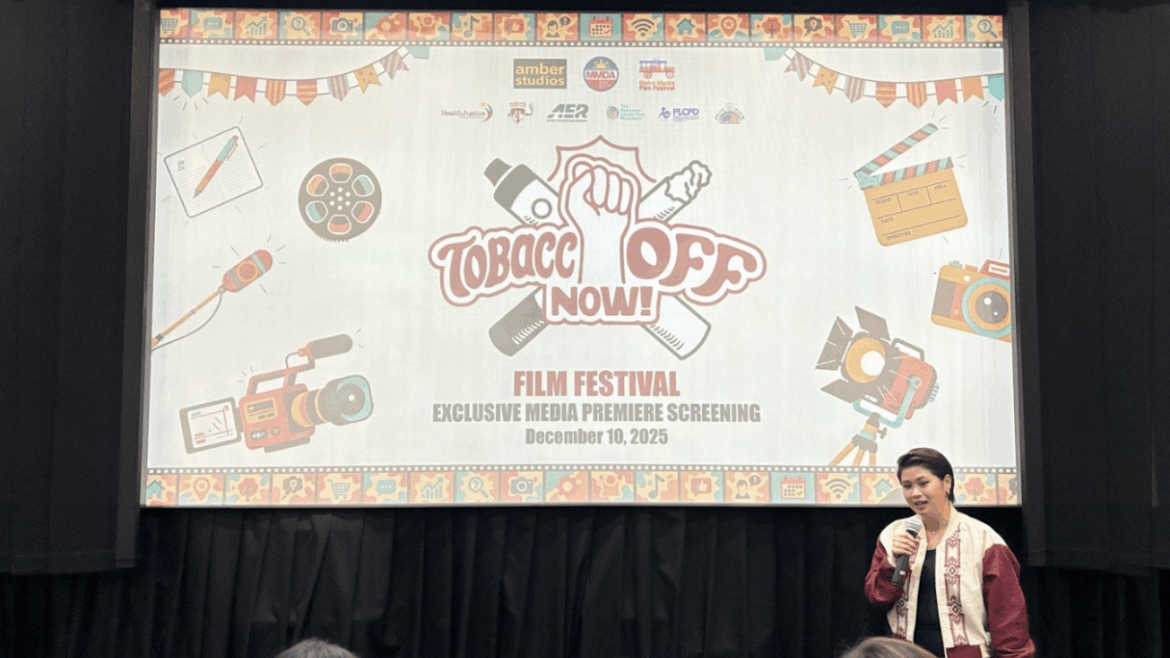
‘TobaccOFF NOW! Film Festival’ champions young voices vs. smoking, vaping
Nikko Miguel Garcia
December 12, 2025
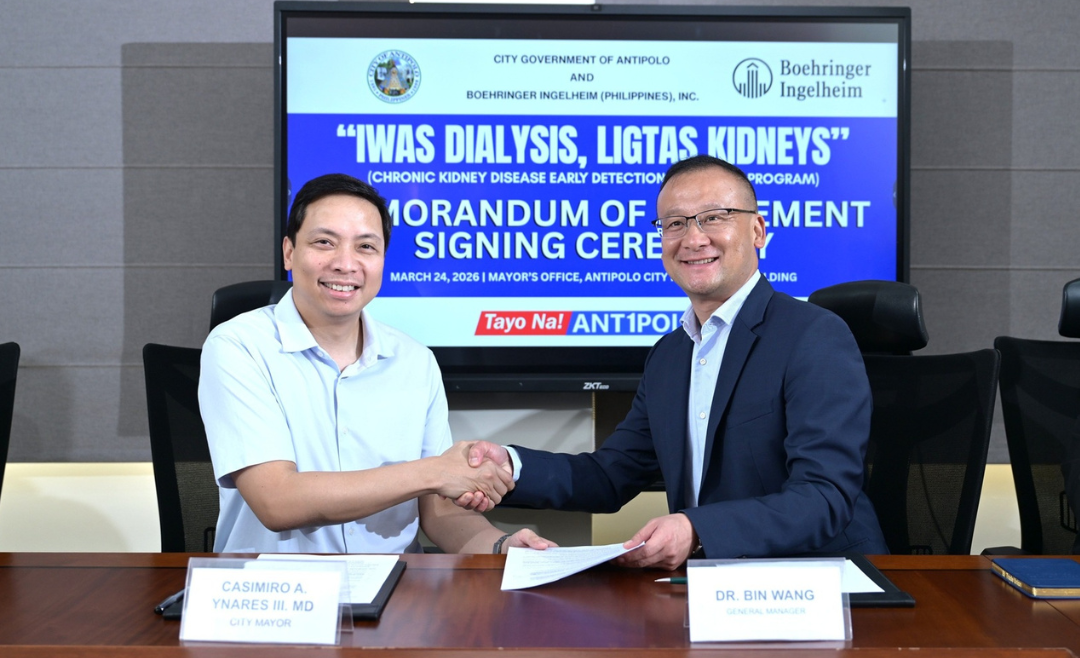
Community kidney screening program reaches barangays, trains 200+ health workers
radar Lifestyle
April 8, 2026
Tags: BPO worker yosi break sidewalk culturecorporate social responsibility tobacco marketingExecutive Order No 26 public smoking banKenneth M del Rosario radar Room columnPublic smoking normalization Philippines 2026public utility vehicle transport nicotine enforcementsecondhand and thirdhand smoke health riskssocial stigma behavior modification health.


