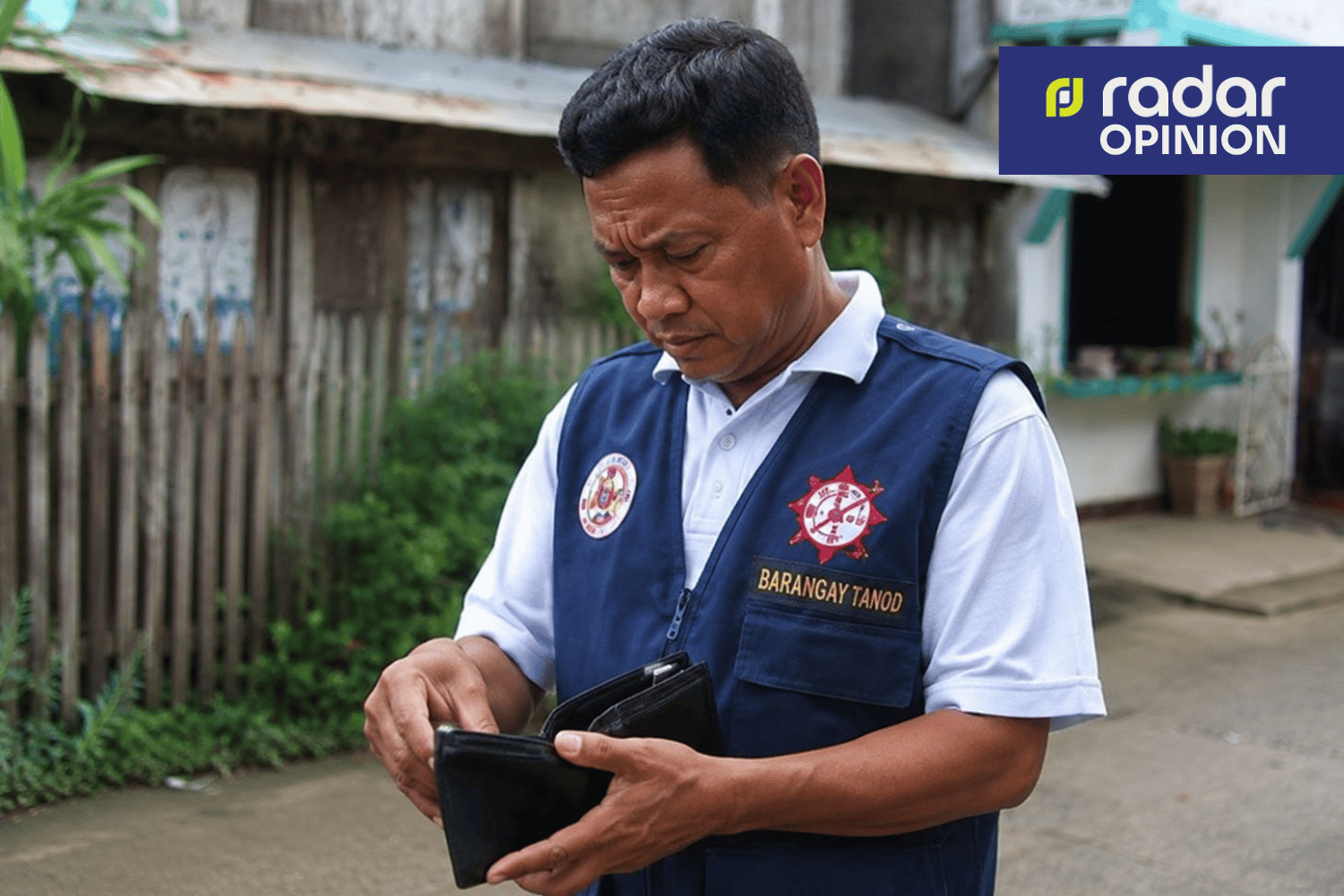
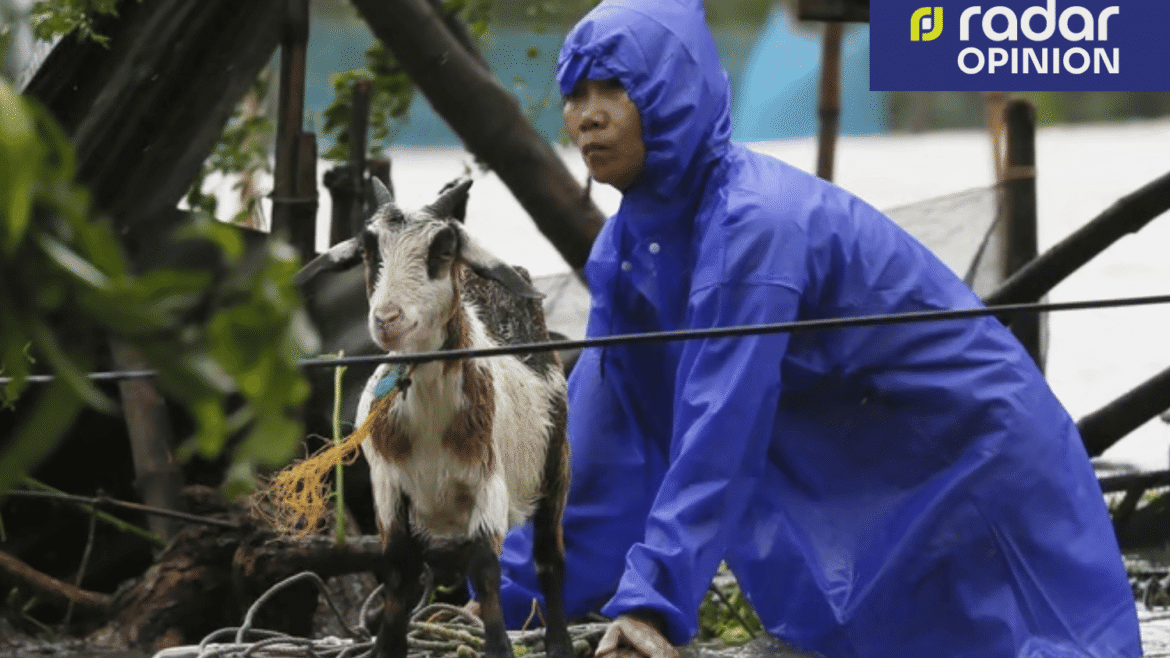
Barangay tanods patrol streets, respond to emergencies, and help keep communities safe, yet their compensation still depends largely on the wealth of the barangay they serve.
Barangay tanods patrol streets at night, respond to disturbances, and assist during emergencies and disasters. They are frontline figures in community safety, yet most do not receive a regular salary.
Instead, they are paid honoraria and allowances under Section 393 of the Local Government Code of 1991, which allows barangays to determine compensation based on local ordinances and available funds. More than 30 years later, this system has left tanods effectively treated as volunteers despite their public safety role.
Same danger, different pay
Compensation varies widely depending on a barangay’s resources. Some tanods receive around ₱1,500 monthly, while better-funded areas can provide ₱4,000 to ₱5,000 through allowances and incentives. Senate discussions have cited an average of about ₱1,590 per month, underscoring the low baseline for many grassroots peacekeepers.
Because funding is locally determined, two tanods performing the same duties can receive vastly different pay. The uniform and risks are the same, but compensation is not.
₱1,590 to keep watch
At that level, pay can be quickly consumed by basic expenses. Yet tanods are expected to patrol at night, respond to conflicts, and assist authorities in volatile situations. The law recognizes their role within the barangay system and even allows for limited benefits like insurance, but it does not provide a standardized national salary.
Volunteers in name, frontliners in practice
While often described as volunteers, tanods function as first responders in many communities. They are called during emergencies, expected to maintain order, and placed in potentially dangerous situations where the risk is real regardless of their compensation status.
Inequality by barangay wealth
The deeper issue is structural: pay depends on a barangay’s financial capacity rather than the nature of the work. This creates inequality across communities and has long been acknowledged in Congress, where multiple bills have proposed higher honoraria, bonuses, insurance, and retirement benefits for tanods.
Despite repeated proposals, reform has stalled, signaling a long-standing recognition that the current system is insufficient.
A case for standardized salaries
A national salary system would better reflect the actual responsibilities of barangay tanods, who are now integral to grassroots peace and order. However, with more than 42,000 barangays nationwide, funding cannot rest solely on local governments. Without national support, poorer barangays will continue to lag behind wealthier ones.
A shared funding mechanism could decouple public safety compensation from local wealth and ensure uniform pay for uniform duties.
Pay the people who keep watch
Barangay tanods are among the closest links between communities and public safety. They are present when trouble begins and when formal responders are not yet on the scene.
More than three decades after the Local Government Code institutionalized their role, their compensation system remains outdated. Calling it an “honorarium” does not change the reality of their work.
If they are entrusted with protecting communities, they should be paid accordingly, with a standardized, dignified monthly salary.
It is time to move beyond volunteer-level compensation for frontline public safety work.
READ: