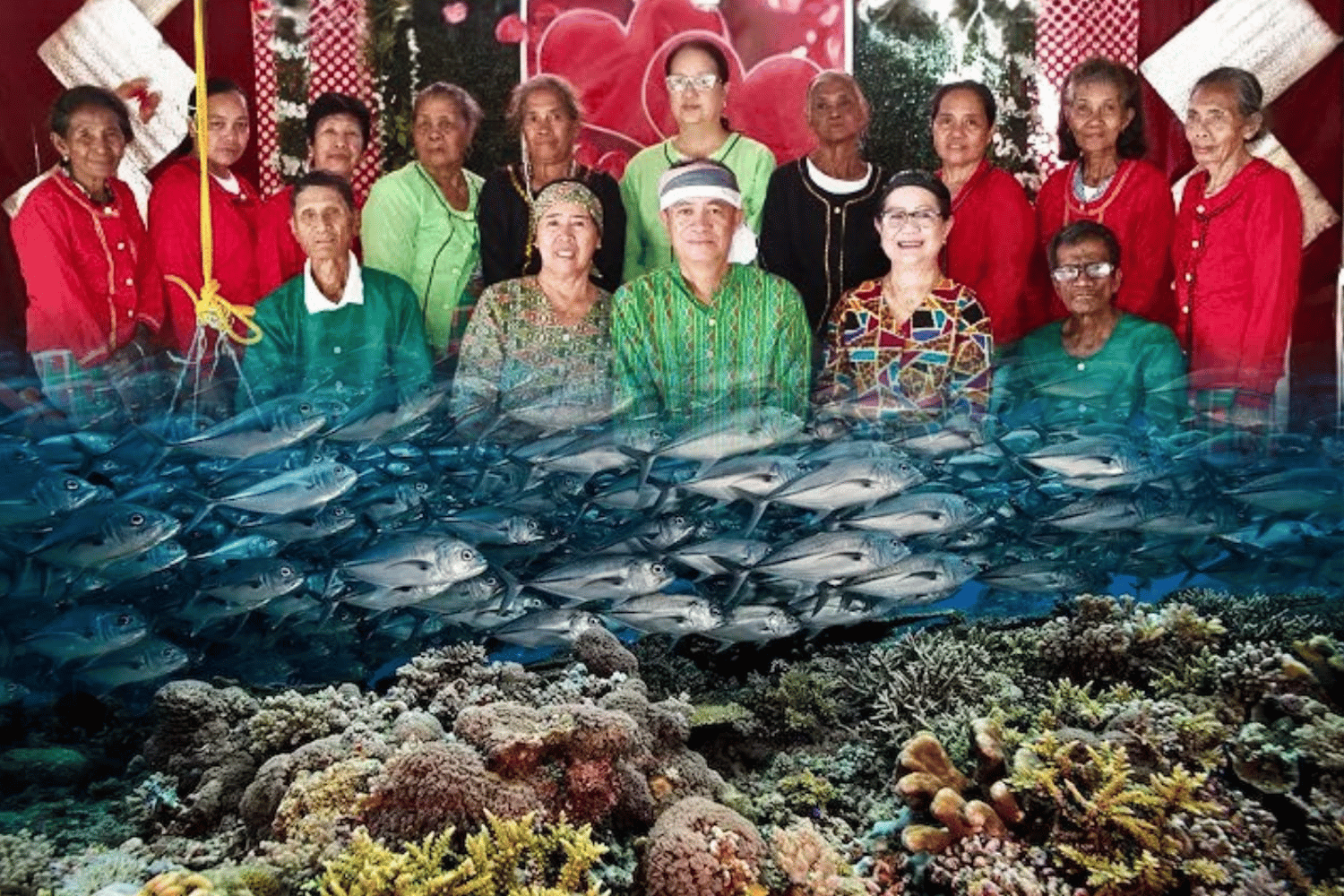
The Calawit Tagbanwa were recognized in a landmark global report for using Indigenous knowledge, culture, and traditional practices to protect coral reefs in Palawan.
The Calawit Tagbanwa indigenous group in Palawan gained recognition for its coral reef preservation efforts that incorporate culture and spiritual beliefs, working with local government and advocacy groups to safeguard surrounding marine areas.
The Global Coral Reef Monitoring Network released its 2025 Status of Coral Reefs of the World report, where it cited the Tagbanwa group as an example of Indigenous-led conservation efforts.
The subset of the Tagbanwa group originating from Calawit Island in Busuanga, Palawan has developed a protection plan that preserves marine protected areas within the 50,000 hectares of government-recognized ancestral domain.
Through an Ancestral Domain Sustainable Development and Protection Plan, the Calawit Tagbanwa have adopted practices that divide conservation work among members of the community.
For instance, different families are assigned one hectare of protected coral reefs with no-take zones, making them responsible for monitoring the area and passing down knowledge across generations.
Dedicated conservation areas for endangered dugong populations are also outlined in the protection plan, as well as bans on destructive fishing practices and harvesting of corals, sand, shells, mangroves, sea urchin, and lobsters in the protected areas.
Women in the community are also tasked with managing a 130-hectare windowpane oyster or capiz shell farm to preserve sustainable farming practices, in contrast to commercial harvesting, which threatens the oysters’ survival.
The report also details how zoning of the ancestral waters is guided by traditional beliefs, such as how certain reefs and rock formations are recognized as sacred ground that may cause destruction in the community when disrespected or crossed without certain rituals being performed beforehand.
“Corals themselves hold cultural significance; for instance, octocorals are traditionally used to ward off malevolent spirits, hung on the doorways of Tagbanwa homes, or burnt before important fishing trips to ensure safe passage and good fortune,” report authors Chris Poonian and Roy Dabuit write.
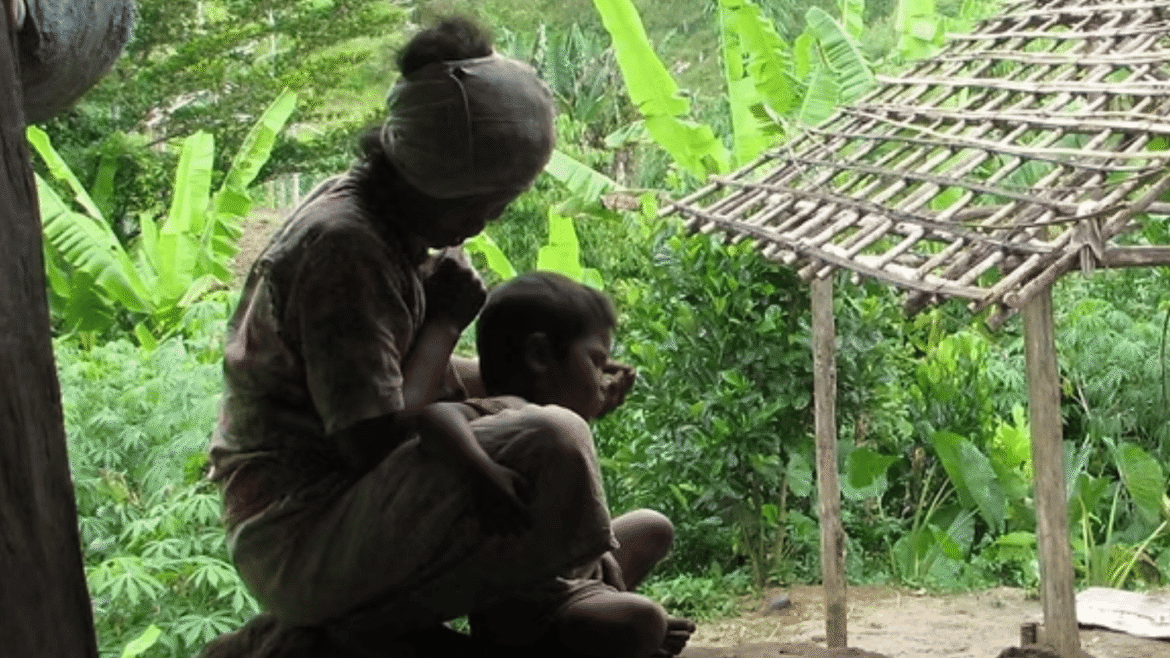
In 1976, the regime of Ferdinand Marcos Sr. drove away the Calawit Tagbanwa from their home island to create an African game reserve. The declining state of the island and the neglect faced by the Calawit Tagbanwa were aired in the 2019 international documentary The Kingmaker.
The group eventually secured a Certificate of Ancestral Domain in 2008, and the Supreme Court dismissed all challenges to the group’s land claim by 2015.
The overall GCRMN report highlights the urgency of addressing widespread coral reef decline. Only 25.8% of the ocean floor remained covered by living coral reefs in 2024, registering an 8.9% decline from the year prior.
Though coral reefs across the world have recovered slightly by 6% from 2017 to 2019, corals are declining at a rapid rate, which threatens the survival of marine life and aquaculture industries as a whole.
Indigenous groups often stand at the frontlines of protecting some of the world’s last natural havens, yet similarly face threats of displacement and extinction. The international recognition highlights that Indigenous knowledge deserves local acknowledgment as a valid form of conservation and must be understood alongside scientific methods.
READ: