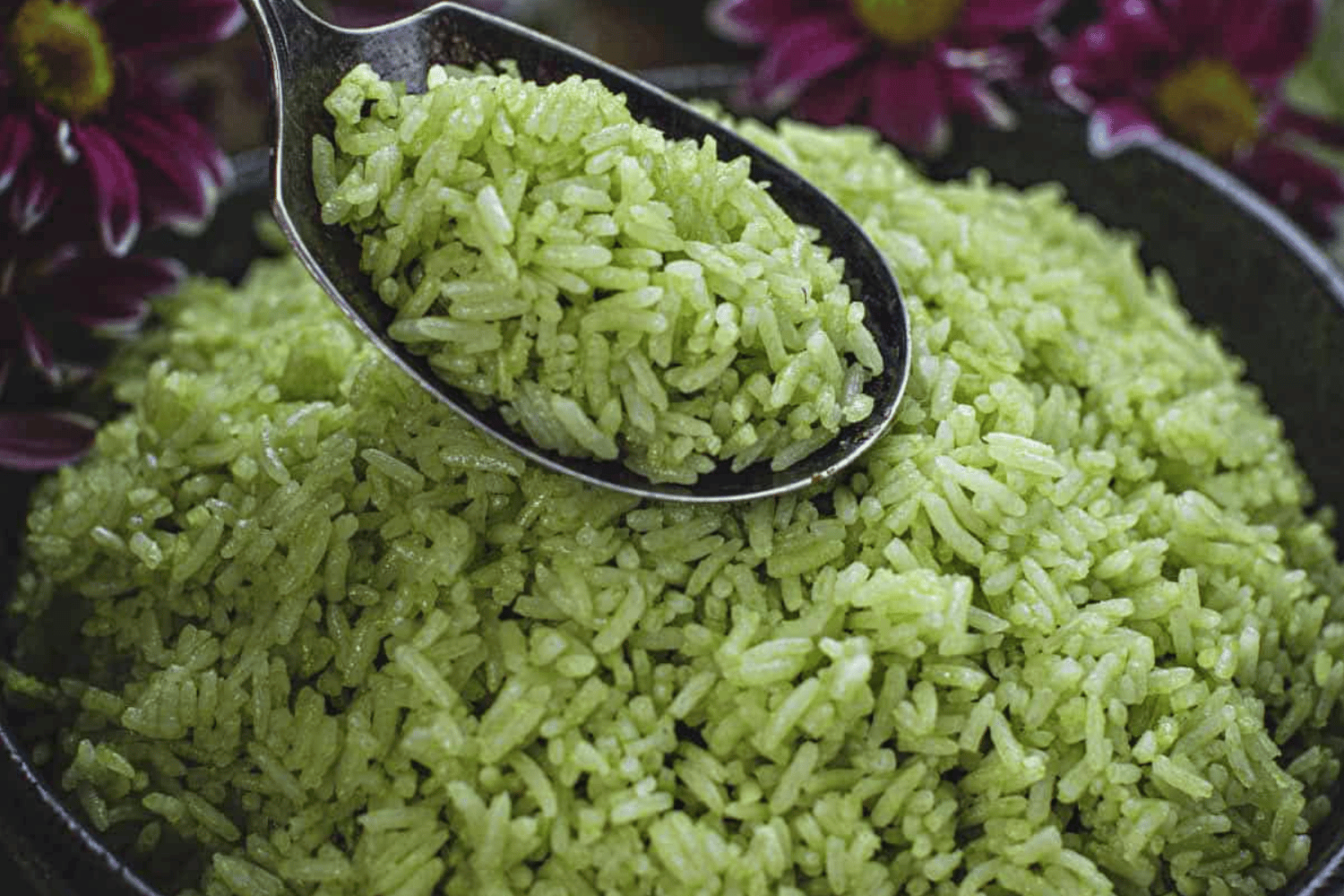
Its high price is rooted in rare annual harvest, hours of manual labor, and a preserved Kapampangan tradition.
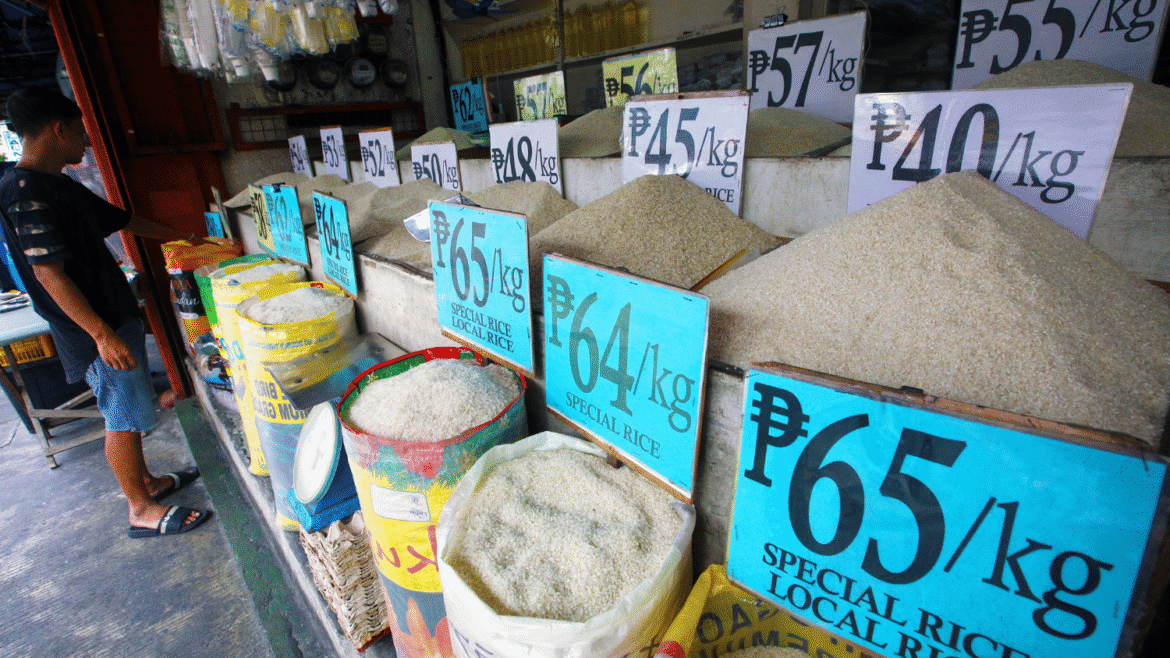
A kilo of ordinary rice is an everyday staple. A kilo of duman can command several thousand pesos.
At first glance, the price difference can seem staggering. Both begin as grains harvested from a rice field, yet Pampanga’s celebrated “green gold” can cost dozens of times more than commercial rice.
The reason is that duman is not simply another variety of milled rice. It is a rare seasonal delicacy made from immature grains, produced in small quantities and processed through an intensely laborious tradition.
A delicacy rooted in pampanga
Duman is closely associated with Santa Rita, Pampanga, particularly the communities of Santa Monica and San Agustin, where families have preserved the craft known as pamagduman.
Its history goes back centuries. Duman appeared in Fray Diego Bergaño’s 1732 Kapampangan vocabulary, evidence that the delicacy was already part of Kapampangan food culture during the Spanish colonial period.
Duman is traditionally made from lakatan malutu, an heirloom red glutinous rice. It is harvested while the grains are still young, giving the finished product its distinctive greenish color, fragrance and soft texture.
The people who preserve the craft are known as Magduruman. Their knowledge—from determining exactly when the young rice should be harvested to properly roasting and pounding the grains—has traditionally been passed from one generation to another.
Today, Santa Rita celebrates this heritage through its annual Duman Festival, held during the harvest season.
You can’t simply grow more of it
Unlike commercial rice grown on a massive scale, duman has a very short season.
The rice is harvested only once a year, usually around November and December, and farmers must catch the grains at the right stage before they fully mature. Wait too long and the rice loses the qualities needed to make traditional duman.
Production is also concentrated in a relatively small area, preventing the economies of scale that help keep ordinary rice affordable.
The result is a food whose supply is naturally limited even before processing begins.
Then comes the hard part
Harvesting is only the start.
Traditionally, farmers begin early in the morning and manually separate the young grains from their stalks. The grains then undergo several stages that can include soaking, cooking or parboiling, roasting and pounding.
The roasted grains are placed inside a large wooden mortar called an asung. Workers rhythmically pound them with heavy wooden pestles to separate the husks without destroying the delicate kernels.
The pounding alone can take hours.
Unlike ordinary commercial rice, where machines can process huge volumes relatively quickly, traditional duman depends heavily on human labor and specialized knowledge.
By the time the finished green grains are ready to eat, a small amount of duman can represent many hours of work.
Scarcity pushes the price higher
There is another problem: fewer people are willing or able to continue such physically demanding work.
As veteran farmers and Magduruman grow older, preserving the knowledge required to make authentic duman has become increasingly important. Local efforts have consequently focused not only on promoting the delicacy but also on encouraging younger generations to learn the craft.
Demand, meanwhile, can easily exceed the tiny annual supply. Much of the best duman is sought during the Christmas season, when it is traditionally eaten with fresh carabao’s milk, mixed into hot tsokolate or served with Kapampangan delicacies.
That combination—one harvest a year, limited production, a narrow harvesting window and hours of manual processing—explains how something that begins as rice can end up costing as much as 30 to 40 times more than the ordinary grain.
Duman’s price, in other words, is not simply the price of rice.
It is the price of scarcity, labor and a centuries-old Kapampangan tradition that remains stubbornly difficult to mass-produce.
READ:

Diesel prices jump ₱8.82/L on September 22
Kenneth M. del Rosario
September 21, 2026

Camiguin braces for tourism boom, keeps prices in check
John Lloyd Aleta
September 21, 2026
Rice is getting more expensive for Filipino families as prices climb in August
Kenneth M. del Rosario
September 4, 2026