Mechanical thrombectomy restores blood flow in a stroke patient’s brain within minutes.
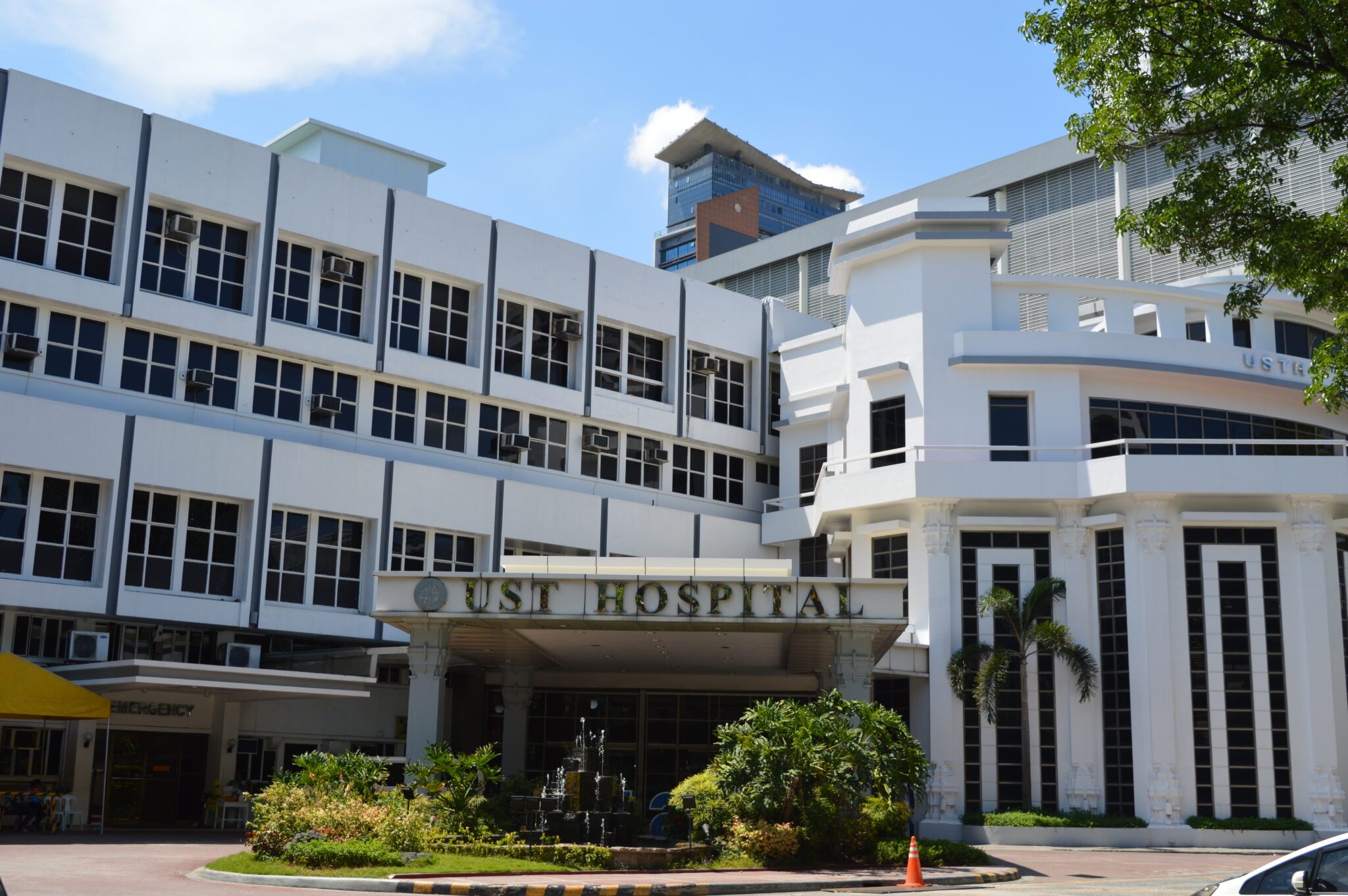
The University of Santo Tomas Hospital has performed its first live-saving brain clot removal procedure for a stroke patient.
UST’s The Varsitarian reported that the hospital successfully conducted mechanical thrombectomy—a procedure that restores blood flow by removing a clot from a blocked brain artery before brain tissue is permanently damaged due to lack of oxygen.
The operation was carried out by the hospital’s stroke service and Rapid Ultrasound in Shock team—led by Dr. Francis Angelo Basilio and Dr. Emmanuel Almazan.
“Pag walang ginawa, malaking symptoms ‘yung mararamdaman ng patient. It can lead to disability or even death,” Basilio said.
The patient, 81, had lost movement on the right side of the body—a common sign of stroke. He was rushed to the emergency room and underwent CT scan to determine whether a major artery had been blocked and if brain tissue could still be saved.
Doctors found a large vessel occlusion, a condition in which a clot blocks a major artery supplying blood and oxygen to the brain. The patient was immediately brought to the hospital’s catheterization laboratory for mechanical thrombectomy.
Through Penumbra Aspiration System, doctors inserted a thin tube (catheter) through a puncture near the groin, and guided it through the blood vessels to the brain to remove the clot.
Blood flow is restored after 12 minutes. “Time is brain,” Basilio said. “The faster that we manage this patient… the better chance of a better outcome.”
The patient later regained partial movement and responsiveness, though he continues to recover due to his age and other health conditions.
Basilio said mechanical thrombectomy is typically used for ischemic stroke (brain clot) cases that are too severe for thrombolysis, a clot-dissolving drug treatment delivered intravenously or through a catheter.
But access to the procedure remains limited.
Basilio noted that a thrombectomy device alone may cost around ₱500,000, and the procedure isn’t usually covered by health maintenance organizations or PhilHealth.
Moreover, fewer than 20 specialists are trained to perform the procedure. While Asian neighbors like Vietnam conducts about 2,000 thrombectomies annually, the Philippines does fewer than 100.
Basilio said other barriers to stroke treatment include delayed hospital arrival, low public awareness of stroke symptoms, poor emergency transport systems, limited imaging facilities, lack of catheterization laboratories, and uneven hospital workflows.
UST Hospital aims to become a mechanical thrombectomy hub for smaller hospitals in the area—to be able to attend to more patients, and as quickly as possible.