Pinoy baiting shows how Filipino clicks are turning into real commercial power abroad.
Pinoy baiting gets a bad rap, although to be fair, much of it deserves one.
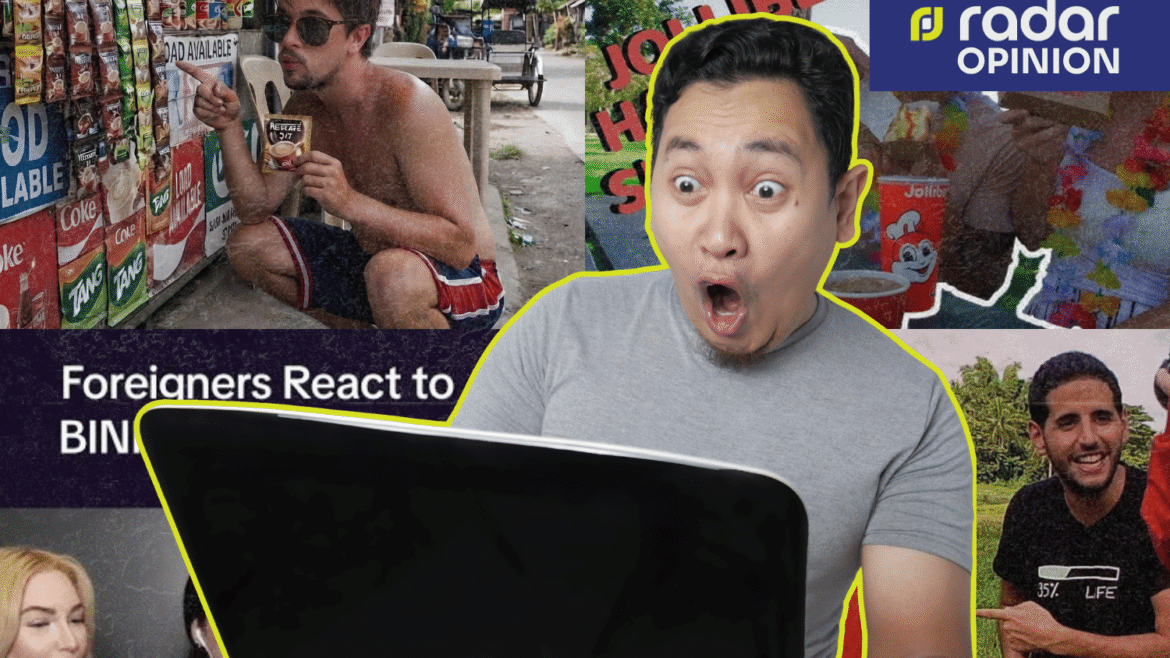
We all know the formula by now. A foreign creator tries Jollibee for the first time. Someone reacts to a Filipino singer and looks appropriately shocked. A travel vlogger discovers that Filipinos are friendly. The Philippine flag somehow makes its way into the thumbnail. Filipinos arrive in the comments, the views go up, and before long, that creator has discovered an enduring fascination with our country.
It can be embarrassing. It can also be painfully obvious.
But I think there is another way to look at it, particularly if we stop treating Pinoy baiting as a cultural issue and start looking at it as a business phenomenon.
At its most basic, Pinoy baiting is simply someone discovering a market inefficiency. Filipino attention is relatively easy to activate, remarkably enthusiastic and, most importantly, highly visible. Someone produces Filipino-related content, notices that it performs much better than expected, and responds by producing more of it.
That is not particularly mysterious. It is what businesses do.
If a restaurant discovers that one item sells twice as well as everything else on the menu, it does not hold a philosophical discussion about why people like it. It stocks more of it. If a media company discovers that stories about a particular subject consistently outperform, editors commission more stories about that subject.
Social media works on the same principle, except the feedback comes much faster.
This is where I think our usual criticism of Pinoy baiting misses something important. Yes, people are learning how to exploit Filipino attention. At the same time, we are teaching an increasingly large ecosystem that Filipino attention has commercial value. And once businesses learn that something has value, they tend to look for more of it.
That process is already visible in the way the world interacts with Filipino talent.
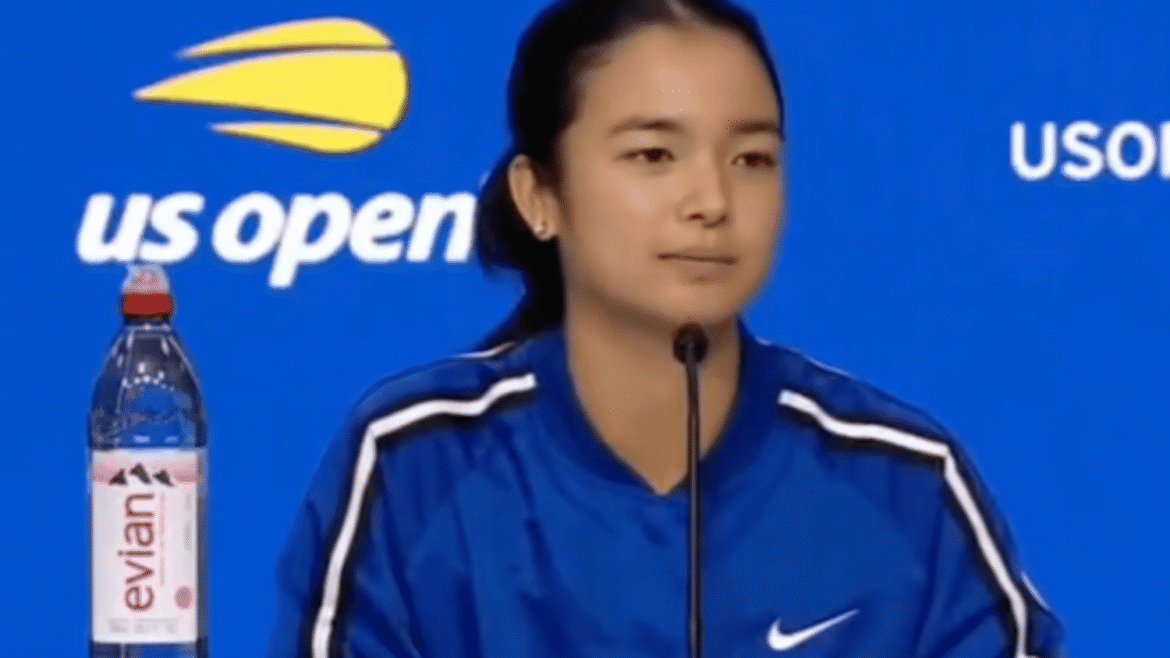
Take Alex Eala. Her success is first and foremost an athletic achievement. She won her first WTA title in Washington this year and became the first Filipina to break into the world’s Top 20. As of September, she is ranked No. 18.
Filipino social media did not win those matches for her. What Filipino attention can do is make the business around those matches more interesting.
Every time Eala plays and Filipinos flood tournament pages, watch clips and engage with international coverage, they are producing information. A broadcaster can see that she brings viewers. A tournament can see that featuring her creates engagement. A sponsor can see an audience that follows her across markets.
That is valuable even if the first wave of that audience is overwhelmingly Filipino. In business, an existing market is generally better than having to create one from scratch.
SB19 is another good example. Their fans have spent years doing the sort of work that marketing departments spend enormous amounts of money trying to manufacture: streaming, sharing, voting and making sure that anything involving the group travels far beyond its original audience.
Eventually, the numbers become difficult for the international music industry to ignore. SB19 became the first homegrown Filipino act booked for Lollapalooza Chicago in 2026, and the GRAMMY Museum hosted the group days before that appearance. The museum’s own profile traces a series of international chart milestones that preceded those opportunities.
There is a tendency to dismiss organized fandom as noise. From a commercial perspective, however, noise is useful when millions of people are making it.
BINI is moving through a similar cycle. The group became the first Filipino group to perform at Coachella this year, followed a few months later by appearances at Summer Sonic in Osaka and Tokyo. Their Summer Sonic performances again generated strong online activity, including global trends on X.
Obviously, international festivals are not booking Filipino acts simply because Filipinos are enthusiastic online. The act still has to be good enough. But audience behavior changes the calculation around giving that act a slot in the first place.
Imagine you are a promoter choosing between two relatively unfamiliar acts. One arrives with a demonstrably active audience that will stream the announcement, circulate clips, engage with sponsors and follow the festival’s social accounts. That has value before the artist even steps onstage.
Once the artist performs well, the opportunity becomes bigger than the original Filipino audience.
Jollibee is probably the clearest business analogy because we can see the process much further along.
For years, Jollibee’s international expansion had an obvious advantage. It could enter cities with large Filipino populations knowing that it already had customers waiting for it. Filipinos abroad became the first market, the first wave of publicity and, quite often, the people bringing their non-Filipino friends along.
That base helped lower the risk of entering foreign markets. But the real prize was always what came next: expanding beyond Filipinos.
When Jollibee opened its East 42nd Street branch in Manhattan this year, the company estimated that 95 percent of its customers were from the mainstream market, with Filipinos and Filipino Americans accounting for only around 5 percent. Jollibee now has more than 100 stores across the United States and Canada.
That is what successful market expansion looks like. You start with a customer base that already wants you. You use that base to establish yourself. Then you sell to everyone else.
Filipino culture can travel in much the same way.
This is why I have become less interested in whether every foreign creator who talks about the Philippines is sincere. Sincerity is nice, but from a market perspective, incentives are more durable.
If talking about Filipino artists gets clicks, more people will talk about Filipino artists. If covering a Filipino athlete brings viewers, sports media will give that athlete more coverage. If Filipino acts reliably produce online engagement, festival organizers have another reason to book them. Each individual decision may be completely commercial, but enough commercial decisions in the same direction begin to change the environment.
There is also a compounding effect here.
The next Filipino artist trying to enter the international market is no longer introducing the idea of Filipino pop music from zero. SB19 and BINI have already done some of that work. The next Filipino athlete who breaks through internationally will enter a media environment where Alex Eala has already demonstrated that a Filipino athlete can bring a large, engaged audience. A Filipino consumer brand looking overseas can point to companies such as Jollibee and show that Filipino support can serve as a launching pad rather than a ceiling.
That is why I think Pinoy baiting deserves to be recontextualized.
There will always be silly versions of it. We will continue seeing exaggerated reaction videos, suspiciously emotional first bites of Chickenjoy and foreign influencers discovering every few months that Filipinos can sing.
Fine.
Because beneath all of that is a useful market signal that has been getting stronger for years. Filipinos show up. We click. We buy tickets. We stream. We follow people who pay attention to things we care about.
The world noticed because people wanted our clicks. What matters is what happens after they notice.
Repeated often enough, those clicks teach media companies where audiences are. They teach promoters which acts can bring attention with them. They teach brands that there is a market worth pursuing and platforms that Filipino content deserves distribution.
In that sense, Pinoy baiting may have started with people learning how to get our attention. The more interesting consequence is that, in the process, we may be training the world to give us theirs.
READ:
OPINION: What Pinoy baiting reveals about our hunger for foreign validation
Top Dagohoy
July 28, 2026
Alex Eala puts enjoying tennis ahead of chasing trophies
Denchelle Castro
September 4, 2026

Int’l artists, content creators congratulate SB19 for Lollapalooza debut
Annah Bautista
August 3, 2026