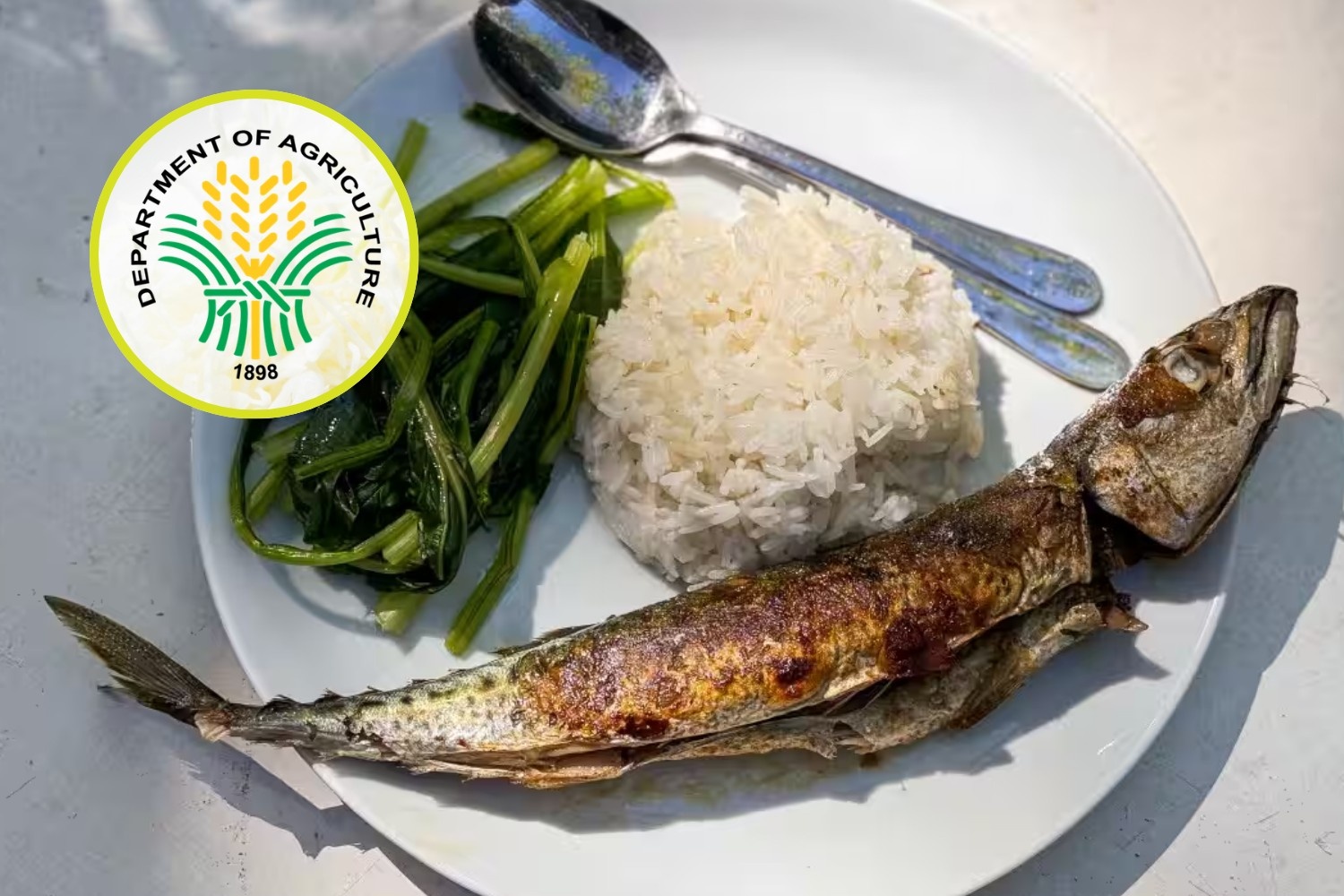
With the Department of Agriculture warning of a potential 50% drop in rice production due to the Middle East fuel and fertilizer crisis, the availability of affordable local staples like isda and kanin is reaching a critical breaking point. Photo by SBS
Rising fertilizer costs and high fuel prices threaten a 2-million-ton rice deficit, as fishing fleets stay docked over 80% operating costs.
Rice could become more expensive and less available in the coming months, as rising fuel costs begin to hit farms, fisheries, and food logistics all at once.
Department of Agriculture (DA) officials warned that rice production in the country may fall by as much as 20% in a best-case scenario, and by up to 50% if key inputs such as fertilizer become too costly or inaccessible to farmers.
Fuel is used for irrigation, machinery, and fertilizer production and delivery, leaving farming highly vulnerable to global oil shocks. Last month, the DA sought to secure fertilizer imports from China, Russia, and India, further underscoring the sector’s dependence on international supplies.
Fisheries at a breaking point
Fisheries are also under pressure, with fuel now making up as much as 80% of operating costs. Some boats are staying docked, as going out to sea is no longer economically viable for many fisherfolk.
The energy department previously said that fuel prices will not revert to their pre–Middle East bombing levels anytime soon, with relief expected to take years for both consumers and producers.
Rice prices could hit ₱70/kg as the DA warns of a potential 50% drop in local output. High fuel costs are also paralyzing the fisheries sector.
John Lloyd is a journalist by trade and a House Stark loyalist at heart. He writes all things business and tech—with bits of Spanish and chess on the side.







Cyber libel complaint against Lokalpedia’s John Sherwin Felix dismissed for lack of basis