The best choice is what allows both people to move forward with dignity.
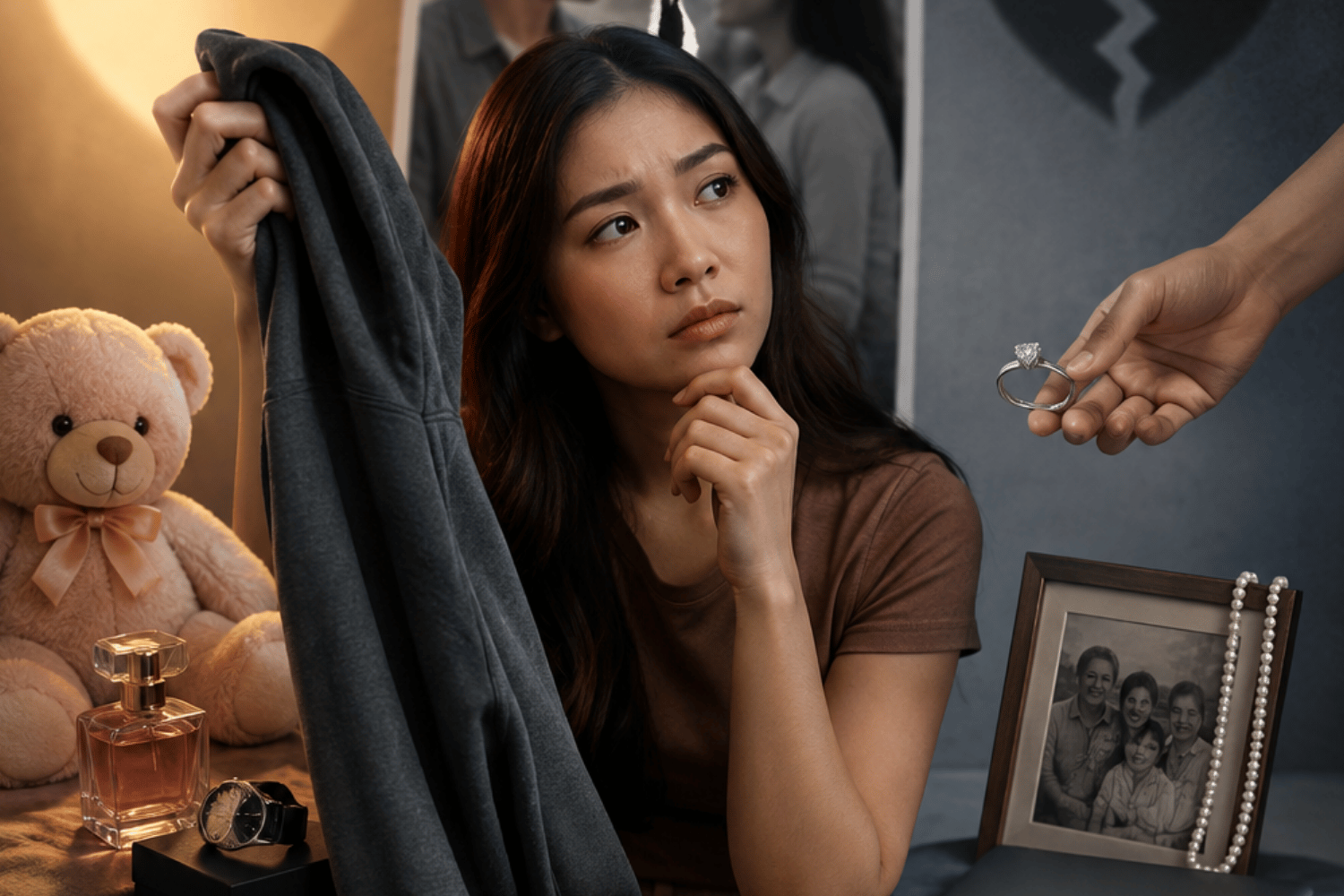
“You’re cleaning your room after a breakup when you find the hoodie they gave you, the perfume you still use, the stuffed toy sitting on your bed, and the watch you wear almost every day. Suddenly, you’re faced with a question that almost everyone asks after a relationship ends: Should these go back to your ex, or are they yours to keep?
The answer is simpler than most people think. In most cases, you are not legally required to return gifts after a breakup. Once someone gives you a gift without conditions, ownership transfers to you. What happens next depends less on the law and more on common courtesy, the nature of the item, and what will help you heal.
The gifts that should go back
Not all presents are created equal.
The clearest example is an engagement ring. Because it is given with the expectation of marriage, it is generally considered a conditional gift. If the wedding never happens, returning the ring is widely viewed as the right thing to do, both socially and in many legal systems.
The same goes for family heirlooms or expensive items that were never really meant to become permanent gifts. If your ex entrusted you with a necklace that belonged to their grandmother or let you use an expensive laptop for school, giving these back avoids unnecessary conflict and respects their sentimental value.
The gifts that are yours
Birthday presents, Christmas gifts, anniversary surprises, gadgets, clothes, books, perfume, sneakers, or even that coffee maker they insisted you needed are different.
These were given freely, with no conditions attached. That means they’re yours.
Whether you keep them, donate them, sell them, or throw them away is entirely your decision. You don’t owe anyone an explanation.
If seeing your ex’s hoodie every morning makes moving on harder, boxing it up or donating it might be healthier than forcing yourself to keep it.
Don’t confuse gifts with debts
A breakup doesn’t erase financial obligations.
If your ex lent you money with the expectation that you would repay it, that remains a debt—not a gift.
The same applies to major purchases made together. Furniture, appliances, or expensive electronics bought as a couple should ideally be divided fairly or sold, with the proceeds shared according to your agreement.
The real question: Does it help you heal?
Sometimes the bigger issue isn’t ownership but emotional baggage.
Ask yourself what happens when you look at the item.
If it brings peace or has become just another everyday object, there’s no reason to force yourself to part with it. You can even store it away until the emotions fade.
But if every glance sends you spiraling into memories, regret, or hope that the relationship might somehow return, holding on may be slowing your healing more than helping it.
Psychologists often point out that reducing emotional triggers can make it easier to process grief after a breakup. That doesn’t necessarily mean throwing everything away, but it does mean being honest about whether these items serve your future—or keep you stuck in your past.
Don’t make the gifts your last argument
There’s also one trap worth avoiding: returning every small trinket simply to create one last interaction.
Sending back half-used toiletries, cheap souvenirs, or every little token can sometimes become less about closure and more about prolonging conflict. If an item has little value and no practical purpose, quietly donating or disposing of it is often the kinder choice for both people.
In the end, breakups rarely have a universal rulebook. The best choice isn’t always about who legally owns the gift—it’s about what allows both people to move forward with dignity.
Sometimes that’s returning something precious. Sometimes it’s keeping a useful gift without guilt. And sometimes, the healthiest thing you can do is place the memories in a box, close the lid, and leave it there.
READ:

What’s the most acceptable age gap between couples?
Top Dagohoy
July 30, 2026

The rise of open relationships among queer Filipinos
radar Lifestyle
June 14, 2026

How Filipino queer couples can now marry legally online
Aldy Celestial
June 24, 2026