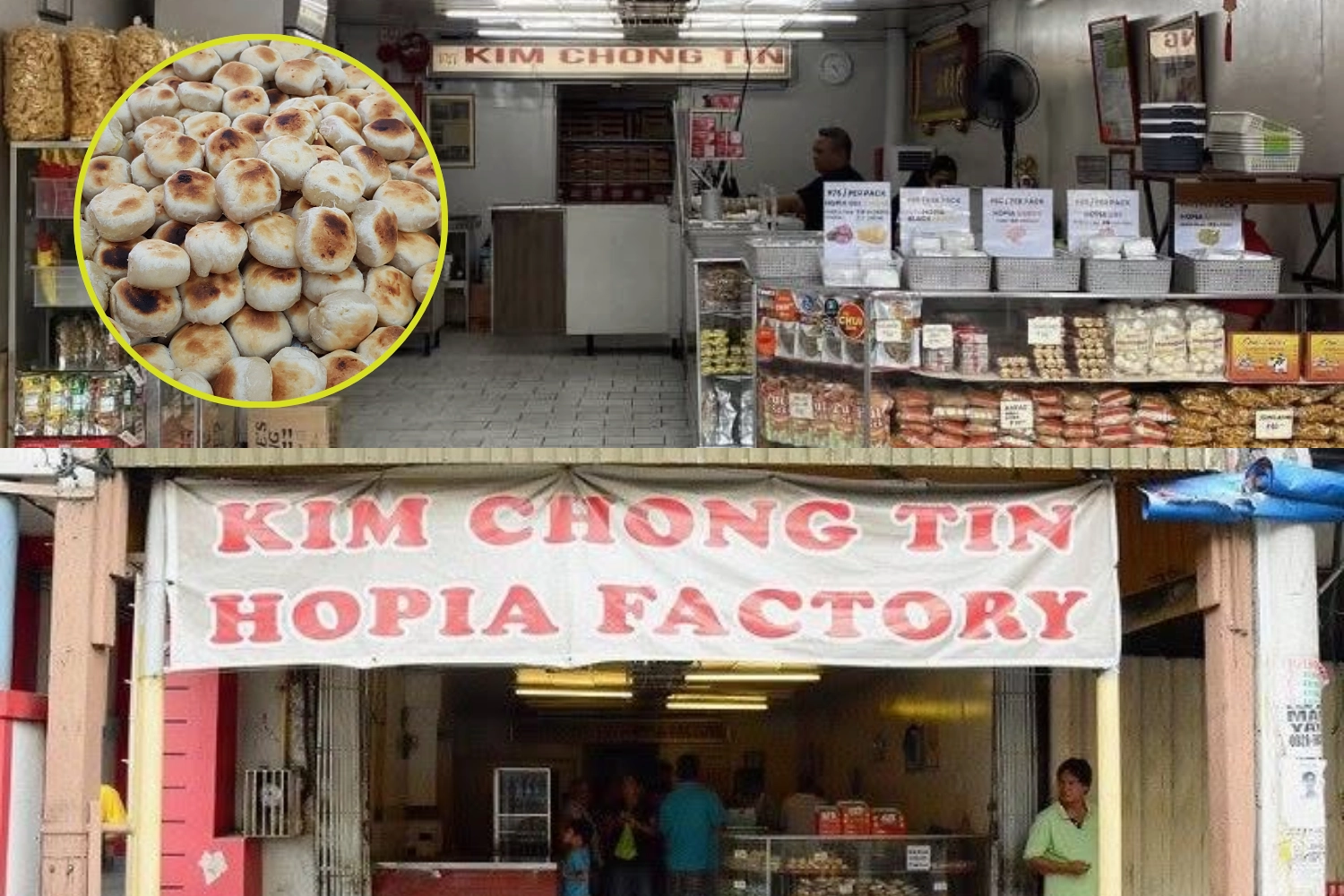
In a city where century-old establishments are disappearing to make way for modern commercial buildings, a small bakery along Carlos Palanca Street in Quiapo continues to do something remarkable: bake hopia the way it was made almost a hundred years ago.
Kim Chong Tin Hopia Factory, established in 1927, is widely regarded as Manila’s oldest surviving hopia house. Its biggest attraction is not simply its age but its refusal to abandon a traditional baking method that has become increasingly rare.
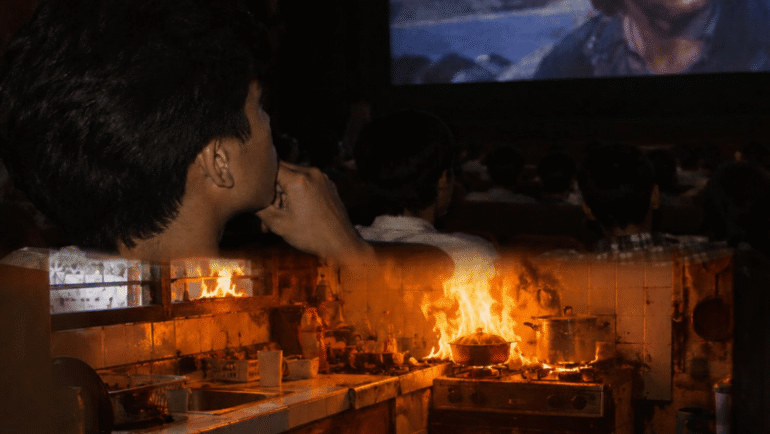
Inside the bakery, hopia is still prepared by hand and baked in a charcoal-fired brick oven, locally known as a pugon. The pastries follow recipes passed down through generations, without the preservatives commonly associated with mass-produced baked goods.
From a penniless orphan to a hopia pioneer
The bakery’s history begins with Ong Phi Pei, a Chinese immigrant who reportedly arrived in Manila at age 10 with nothing but his clothes and a pair of chopsticks.
He worked at a hopia shop in exchange for food and shelter, eventually mastering the craft. After saving ₱200, he acquired the bakery on Calle Echague, now Carlos Palanca Street, in 1927.
The business eventually passed to his son Francisco Ong and daughter-in-law Patricia, before reaching the third generation under Francisco Ong Jr.
Unlike many established Chinese-Filipino bakeries associated with Binondo, Kim Chong Tin built its legacy in neighboring Quiapo.
The charcoal oven that refuses to retire
What makes Kim Chong Tin particularly fascinating is its continued use of a traditional charcoal-fired pugon.
While modern bakeries rely on electric and gas ovens for efficiency and consistency, Kim Chong Tin preserves a labor-intensive process that requires experience, patience, and careful heat management.
Its flaky hopia crust and freshly baked fillings have become signatures of a bakery that has survived changing consumer tastes, economic upheavals, and nearly a century of competition.
The hopia that changed the menu
In 1996, the bakery introduced what became one of its biggest attractions: oversized mongo hopia with salted egg.
The combination of sweet mung bean filling and savory salted duck egg proved popular and remains among its bestsellers.
Traditional favorites include classic mongo, black mongo, and hopia baboy. More adventurous customers can choose from ube cheese, pandan, pineapple, tropical mango, and even kondol with bacon.
The bakery also produces eight-inch hopia cakes for advance orders, alongside traditional delicacies such as tikoy, puto seko, and jacobina.
A piece of old Manila you can still taste
Located at 149 Carlos Palanca Street, near Quinta Market, Kim Chong Tin is more than a neighborhood bakery. It is a surviving reminder of Manila’s Chinese-Filipino culinary heritage.
Its enduring novelty lies in something increasingly difficult to find: pastries made using an old-fashioned oven, recipes preserved across three generations, and a family business that continues to operate where its story began.
As Kim Chong Tin approaches its centennial in 2027, every freshly baked hopia offers customers something that cannot be replicated by a modern factory: a taste of old Manila.