Banana catsup: A wartime invention that defined a nation’s palate.
For many Filipino children, banana catsup is simply there — squeezed onto hotdogs at birthday parties, mixed into sweet-style spaghetti during fiestas, or served beside crispy fried chicken and tortang talong at home. It is so deeply woven into everyday Filipino life that many grow up without realizing it is actually one of the country’s most ingenious culinary inventions.
Now, that story finally has a museum of its own.
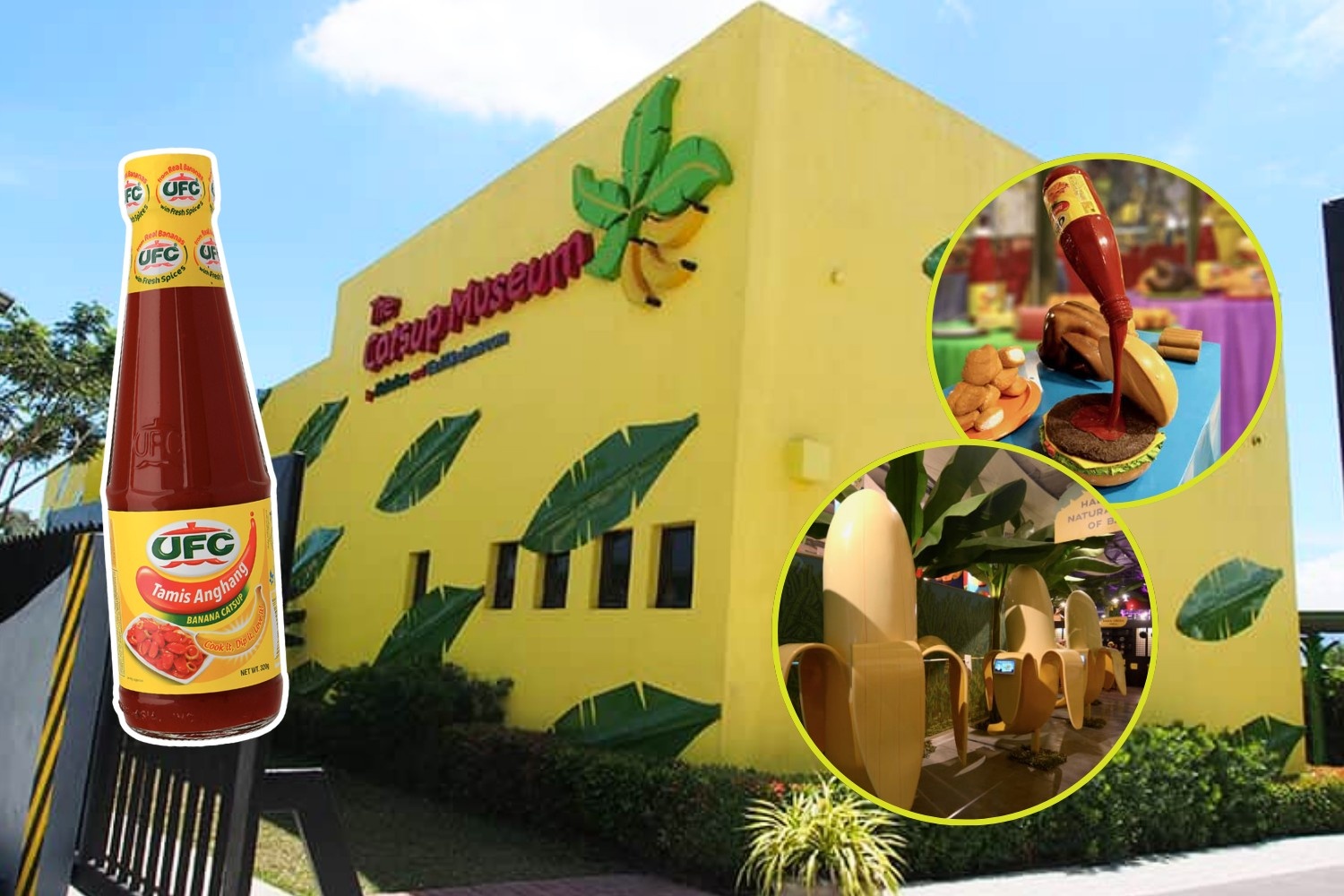
NutriAsia recently reopened and expanded The Catsup Museum in its Cabuyao, Laguna plant, calling it the world’s first and only banana catsup museum — a quirky but surprisingly educational destination that turns one of the country’s most familiar condiments into a full-blown cultural experience.
Created in partnership with The Mind Museum, the museum combines science, history, food, and interactive displays to teach children and visitors how banana catsup became a symbol of Filipino creativity and survival.
At first glance, the idea of a catsup museum sounds amusing. But behind the novelty is a deeply Filipino story.
From wartime scarcity to kitchen staple
Banana catsup was invented during World War II by pioneering Filipina food technologist Maria Ylagan Orosa at a time when tomatoes were scarce due to wartime shortages. Instead of relying on expensive imported ingredients, Orosa turned to an abundant local crop: saba bananas.
The result was the sweet, tangy condiment that would eventually become a Filipino staple.
Over the decades, banana catsup evolved from wartime necessity into a defining flavor of Filipino comfort food. It became the heart of Filipino-style spaghetti, known globally for its distinct sweetness. It became part of childhood packed lunches, roadside barbecue meals, and fast-food culture. Even overseas, many Filipinos still bring bottles home like edible souvenirs.
The legacy of Maria Orosa
The museum highlights this journey through colorful exhibits designed especially for young visitors. Guests can explore how catsup is manufactured, learn the science behind food preservation and flavor, and discover how Filipino innovation shaped one of the country’s most iconic food products.
NutriAsia said the museum, which initially accepted only Laguna school tours, has now expanded to schools across Luzon and increased operations to four days a week due to growing interest.
What makes The Catsup Museum fascinating is how it transforms something ordinary into something worth rediscovering. In a country where museums are often associated with old paintings or colonial artifacts, a museum dedicated to banana catsup feels unexpectedly playful — yet meaningful.
It reminds children that Filipino culture is not only found in history books or monuments, but also in the flavors sitting on the dining table every day.
And perhaps that is what makes banana catsup so special. It is not just a condiment. It is a story of Filipino resourcefulness bottled into something the world has slowly learned to love.
Created in partnership with The Mind Museum, the museum combines science, history, food, and interactive displays to teach children and visitors how banana catsup became a symbol of Filipino creativity and survival.
READ: