W.V Coscoluella and Associates completed the building in 1980.
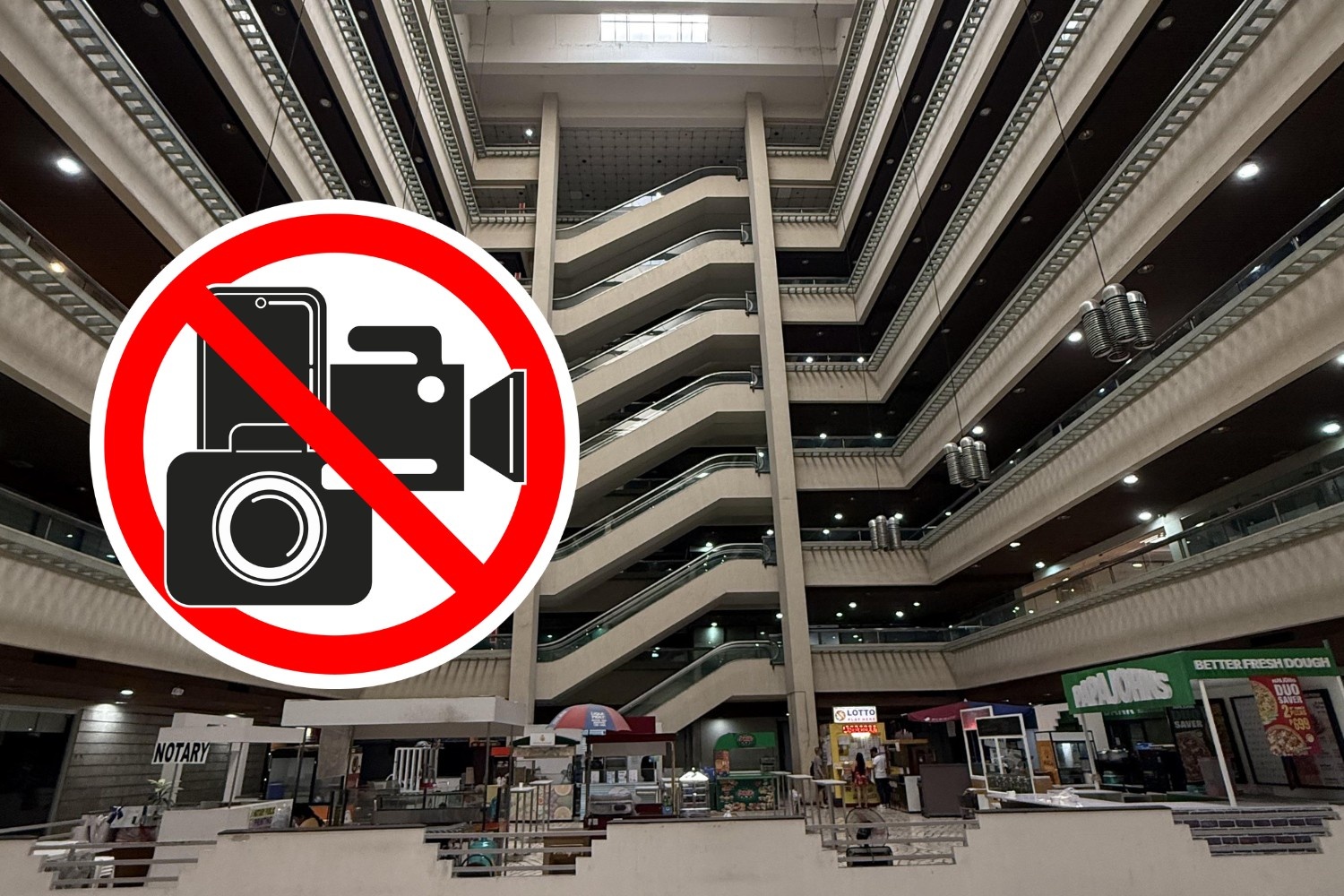
If you have ever tried to take a photo of the stunning, stepped-concrete balconies and capsule elevators inside The Atrium of Makati, security has likely stopped you immediately. Completed in 1980 by the architectural firm W.V. Coscolluela and Associates, this well-known example of Brutalist design, is famous in local street photography circles for its strict no-photography policy. Even a casual smartphone picture can prompt a quick response, leaving many visitors confused about why a space that feels like an open public square is treated like a high-security vault.
The main reason for the ban stems from a basic misunderstanding of the space. Despite its location in the walkable Ayala district, The Atrium is private commercial property. Unlike public parks or government streets where photography is legally allowed, private building management has full legal authority to set and enforce house rules. If the administration decides not to allow cameras inside, security teams have every right to step in.
Beyond property rights, the restriction addresses corporate security and tenant privacy. The Atrium houses financial institutions, legal offices, and corporate firms that handle sensitive documents daily. However, the zero-tolerance policy was also triggered by a specific security breach. According to an official security statement shared by Purveyr Plaza, one of the building’s lifestyle tenants, the rule was born out of necessity:
“During the pandemic a person/group of people took photos of the spaces inside The Atrium of Makati and the building itself that were used for a scam. Right after the incident, the building admin and managers have decided to prohibit taking photos inside the building.”
Because important financial and legal transactions are tied to the complex daily—and with the lingering threat of fraudulent activity—security personnel maintain a high level of alert, viewing unauthorized interior photography as a direct risk.
Additionally, the ban serves as a way to control crowds on social media. The building’s retro-futuristic design has made it a popular spot for TikToks and streetwear photoshoots, often leading to loitering and blocked walkways. To stop the daily workplace from turning into an overcrowded digital studio, management enforces a general ban. For official architectural studies or professional portfolios, creators must get a formal permit from the private building administration office before taking out a camera.
READ: