Across generations, Filipina voices are evolving—from quiet heartbreak to powerful resistance, redefining what it means to be heard.
There was a time when the safest sound a Filipina could make on the radio was a sigh.
She could ache, long, and forgive. But she could not rage.
For decades, women in OPM were framed as muses, heartbreakers, martyrs, the emotional backbone of someone else’s narrative. They were written about, sung to, serenaded under streetlights. Their softness was romanticized. Their patience was rewarded. Their silence was convenient.
But history rarely shifts in grand announcements. It moves quietly—in chords, in refrains, in women who begin to write themselves differently.
Long before the word “feminism” became a mainstream banner in local pop conversations, Filipina artists were already loosening the mold. From the alternative rock surge of the 2000s to the genre-bending assertion of today, the Filipina voice has been evolving—not from gentle to angry, but from ornamental to authoritative.
This Women’s Month, the story is not simply that women are louder. It is that they are no longer content being described.
Kitchie Nadal: The girl with the guitar who drew the line
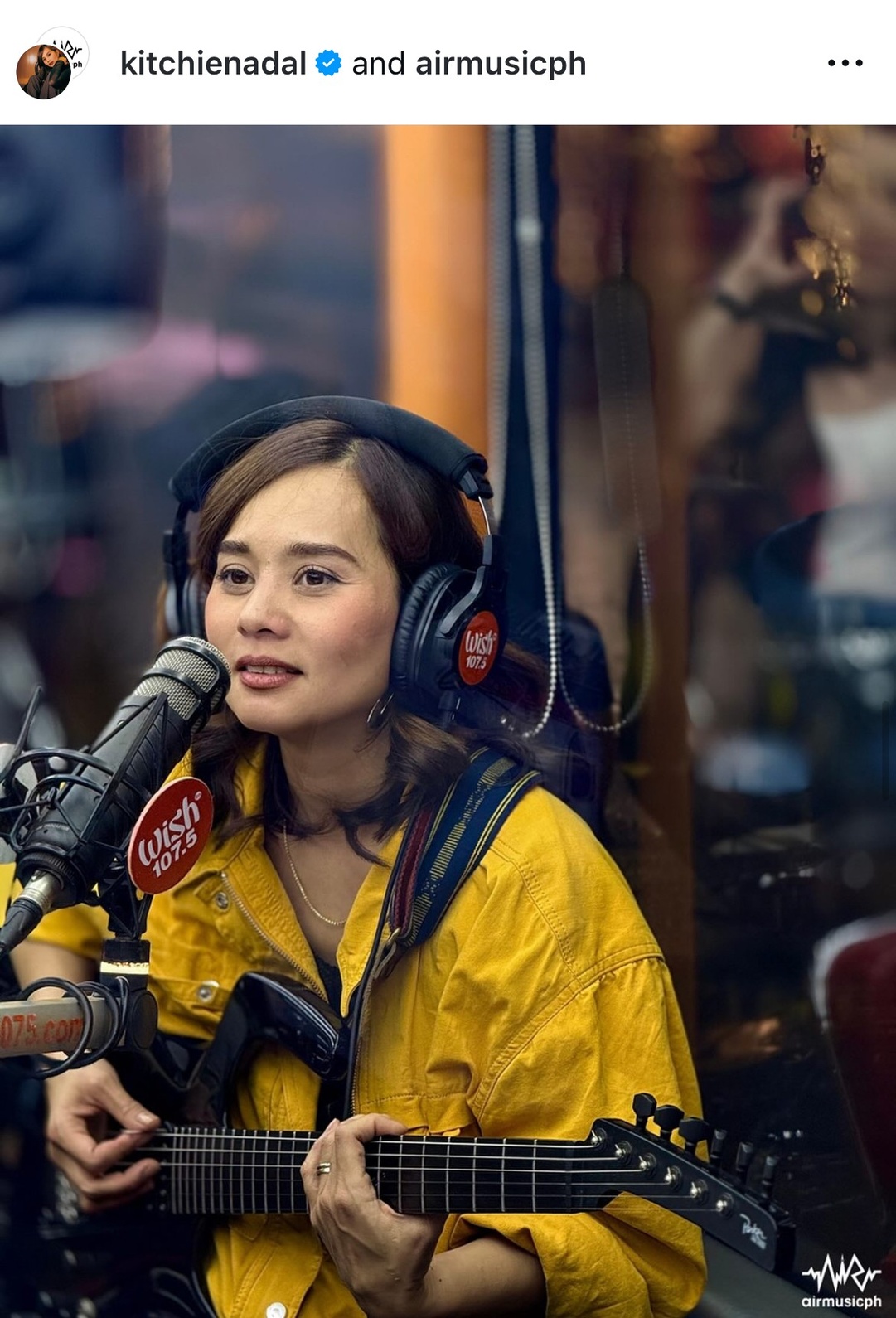
In the early 2000s, when alternative rock bands dominated airwaves and love songs ruled Myx countdown charts, a woman stood at the center of the stage with a guitar strapped across her shoulder.
Kitchie Nadal did not present herself as fragile.
With “Huwag Na Huwag Mong Sasabihin” and “Same Ground,” she carved space in a male-heavy scene without softening her edges. Her voice carried restraint, but beneath it simmered confrontation. These were not songs that pleaded for reassurance. They questioned inconsistency. They challenged emotional half-truths.
“Huwag na huwag mong sasabihin…” The repetition felt less like desperation and more like a boundary being drawn. Don’t promise what you cannot keep. Don’t romanticize what you cannot commit to.
Her 20th anniversary concert in 2024 and her “New Ground” concert in 2025 specifically aimed to champion female practitioners in the music industry, celebrating not just female artists but also the female fans and advocates who sustain the OPM scene.
For many young women listening in their bedrooms, this mattered. It suggested that heartbreak did not require submission. That love could be negotiated, not endured. That a Filipina could hold a guitar and command the narrative instead of harmonizing behind it.
Kitchie did not scream her resistance. She threaded it through melody.
The muse had begun to speak back.
Moira dela Torre: Softness, survival, and the power of being seen
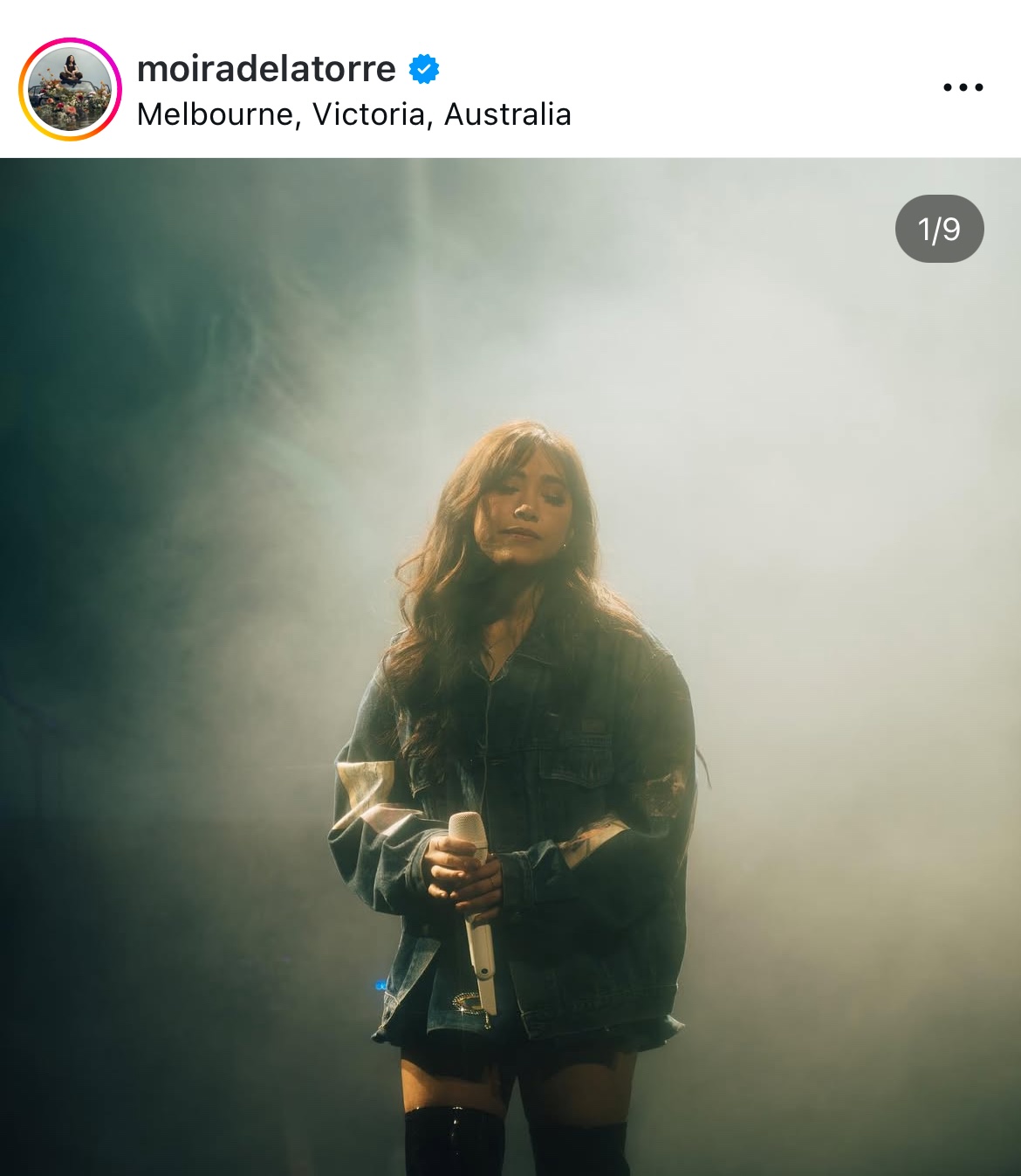
As the industry shifted into the 2010s, hugot culture flourished. Ballads deepened. Emotional devastation became communal language.
Enter Moira dela Torre, a voice so gentle it almost felt breakable.
Moira built a generation’s heartbreak soundtrack with “Tagpuan,” “Ikaw at Ako,” and the devastating “Paubaya.” Cafés played her on loop. Commutes felt heavier with her melodies in the background.
At first glance, Moira seemed to embody the familiar image: the woman in pain, singing gently about loss.
But listen carefully to “Paubaya.” There is grief, yes. But there is no begging. She releases someone she loves with composure. The act of letting go becomes intentional, almost sacred. She does not collapse under heartbreak; she articulates it.
Her softness became self-awareness.
Janine Berdin: Refusing to be boxed in
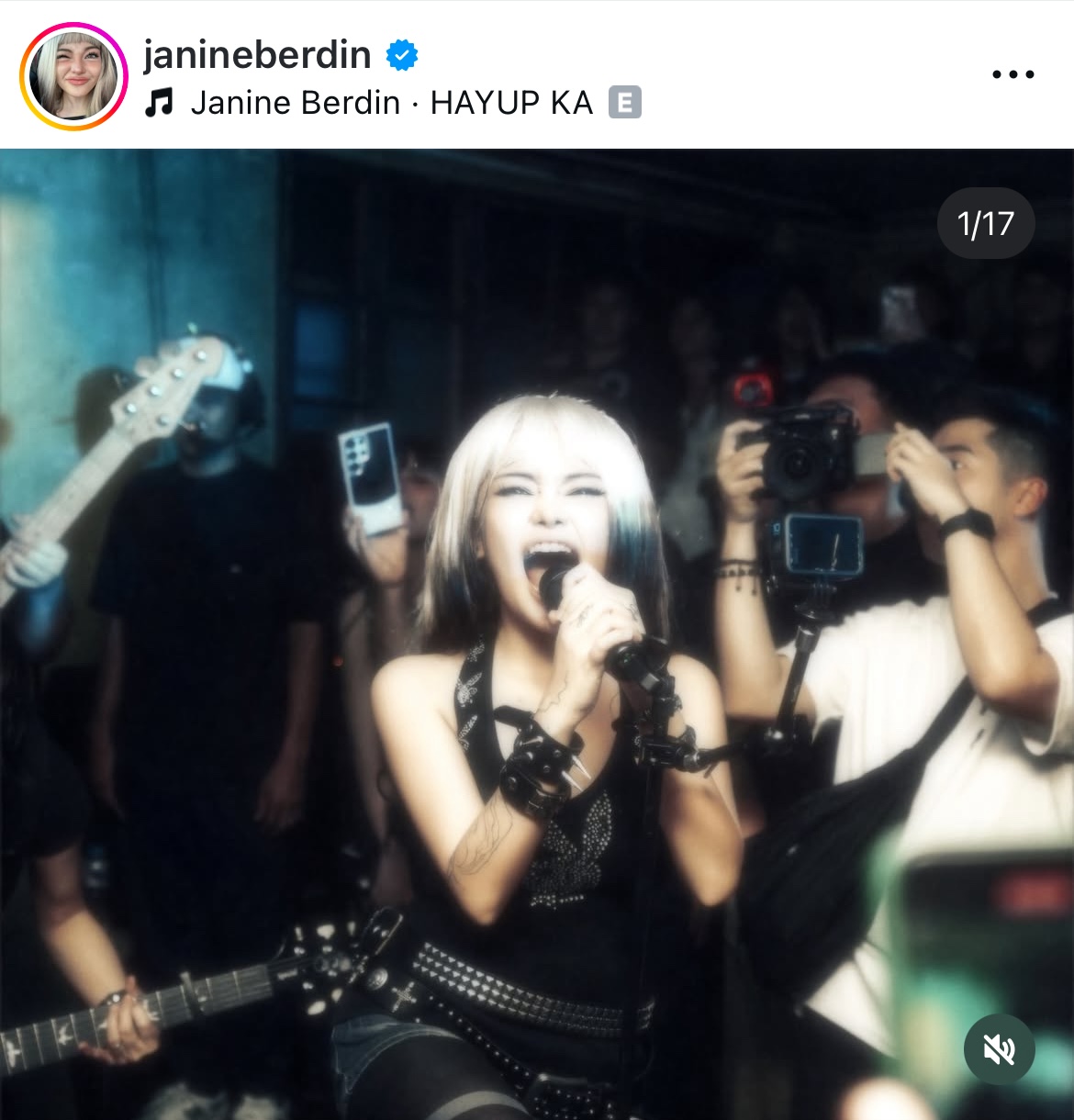
Then comes a different kind of presence, one that refuses to be boxed by industry expectations.
When Janine Berdin stepped into the spotlight, she did so with a voice far bigger than the labels placed on her. Her breakthrough performances of “Biyaya” and “Hinahanap-Hanap Kita” did not just trend; they resonated.
Janine sings like someone who has lived every lyric. There is grit in her tone, an unpolished honesty that refuses to conform to the industry’s often narrow standards of who gets to be a “star.” In a landscape that sometimes prioritizes image before voice, Janine reversed the order.
She made people close their eyes.. and listen.
Her existence in mainstream spaces challenges a silent rule: that women must look a certain way to be worthy of the spotlight. She stands there, microphone in hand, not as an ornament but as proof that talent and truth carry their own gravity.
Ruby Ibarra: When rage took the stage
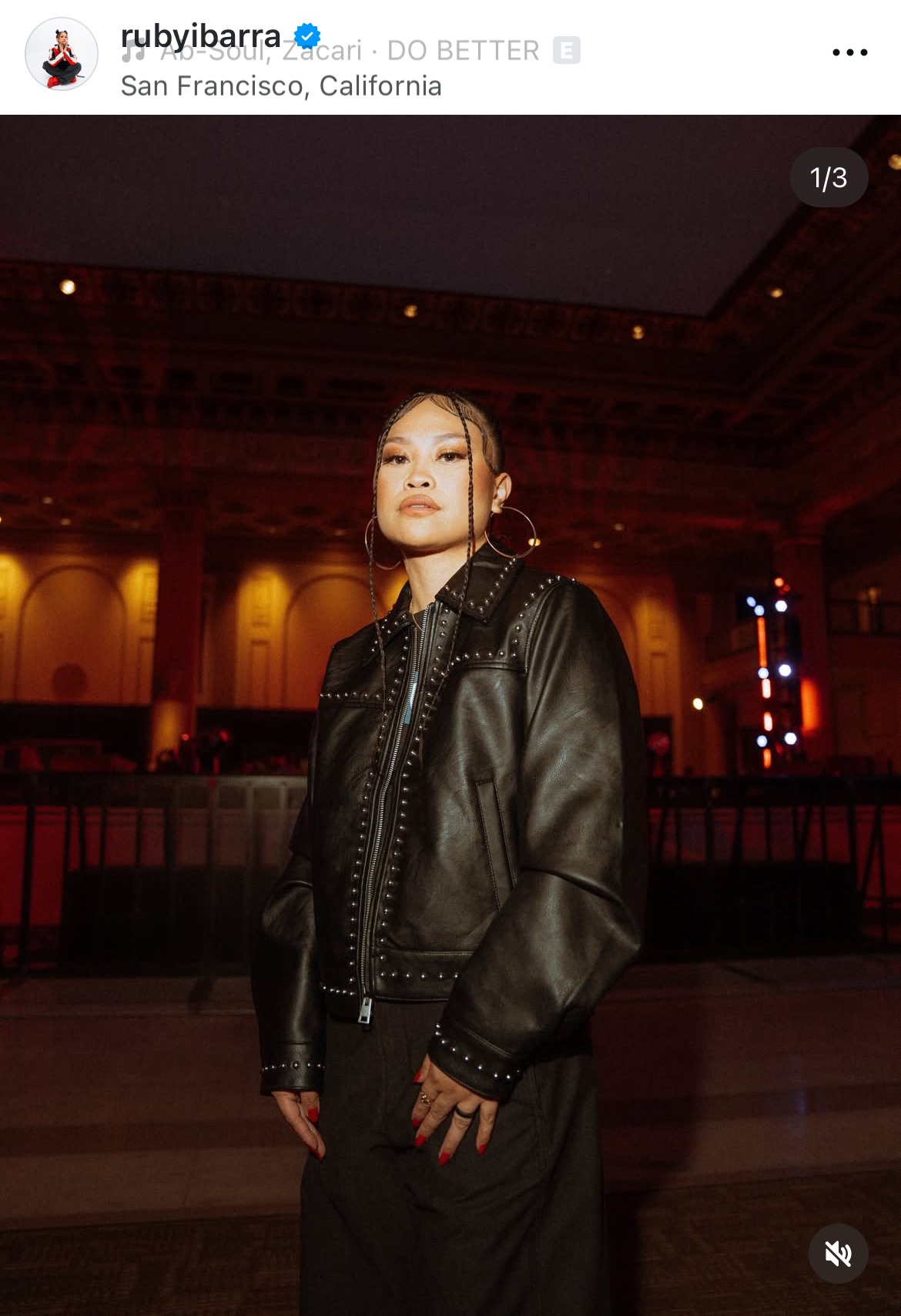
If the 2000s introduced boundary-setting and the 2010s reframed vulnerability, the present moment has allowed something even more disruptive: visible anger.
Not chaotic. Not hysterical. But precise.
Ruby Ibarra does not temper her voice to make it digestible. In “Us” and “Here,” she confronts colonial mentality, patriarchy, and diaspora identity with precision. Switching between English and Filipino languages, she layers her verses with history and critique.
Her anger is structured. Informed. Intentional.
In her music, the Filipina is no longer reacting to heartbreak alone, she is interrogating systems.
To hear a Filipina rap without softening her tone is to witness cultural expansion in real time.
Because anger, especially from women, still unsettles.
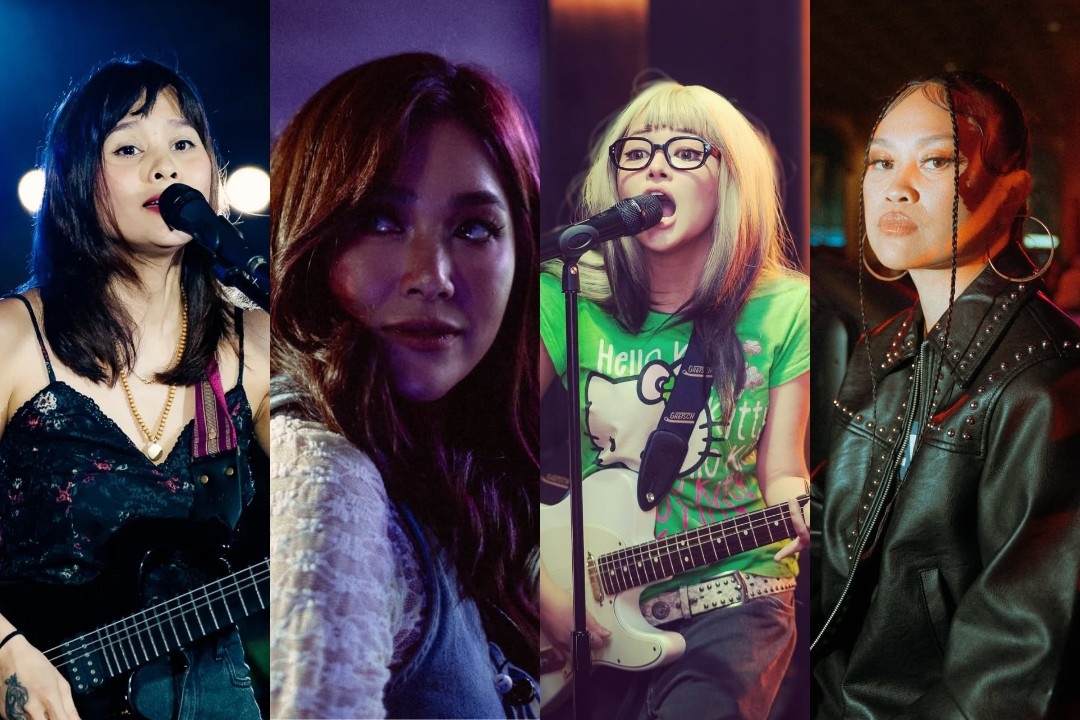
Yet across decades, from Kitchie Nadal’s firm refrains to Moira dela Torre’s dignified heartbreak, from Janine Berdin’s raw authenticity to Ruby’s lyrical assertion, the direction is clear.
The Filipina artist is no longer content being someone’s inspiration. She writes, releases and resists.
Women’s Month often invites applause, and applause is deserved. But perhaps what these artists ask for is something braver.
To listen when the voice trembles. To listen when it breaks. To listen when it refuses to soften.
Because the truth is this: The Filipina was never just a muse. She was always learning how to take the mic.
The Filipina artist is no longer content being someone’s inspiration. She writes, releases and resists.