These priceless Filipino treasures are still in foreign hands
The Balangiga Bells finally returned to Samar in 2018, more than a century after American troops took them in 1901.
But thousands of Philippine historical objects remain in foreign museums, libraries, and collections.
Some were acquired through purchases, others during colonial expeditions. Their histories differ, but they raise an important question: Should more of these treasures come home?
Here are four collections that deserve closer examination for possible repatriation.
The Boxer Codex
United States
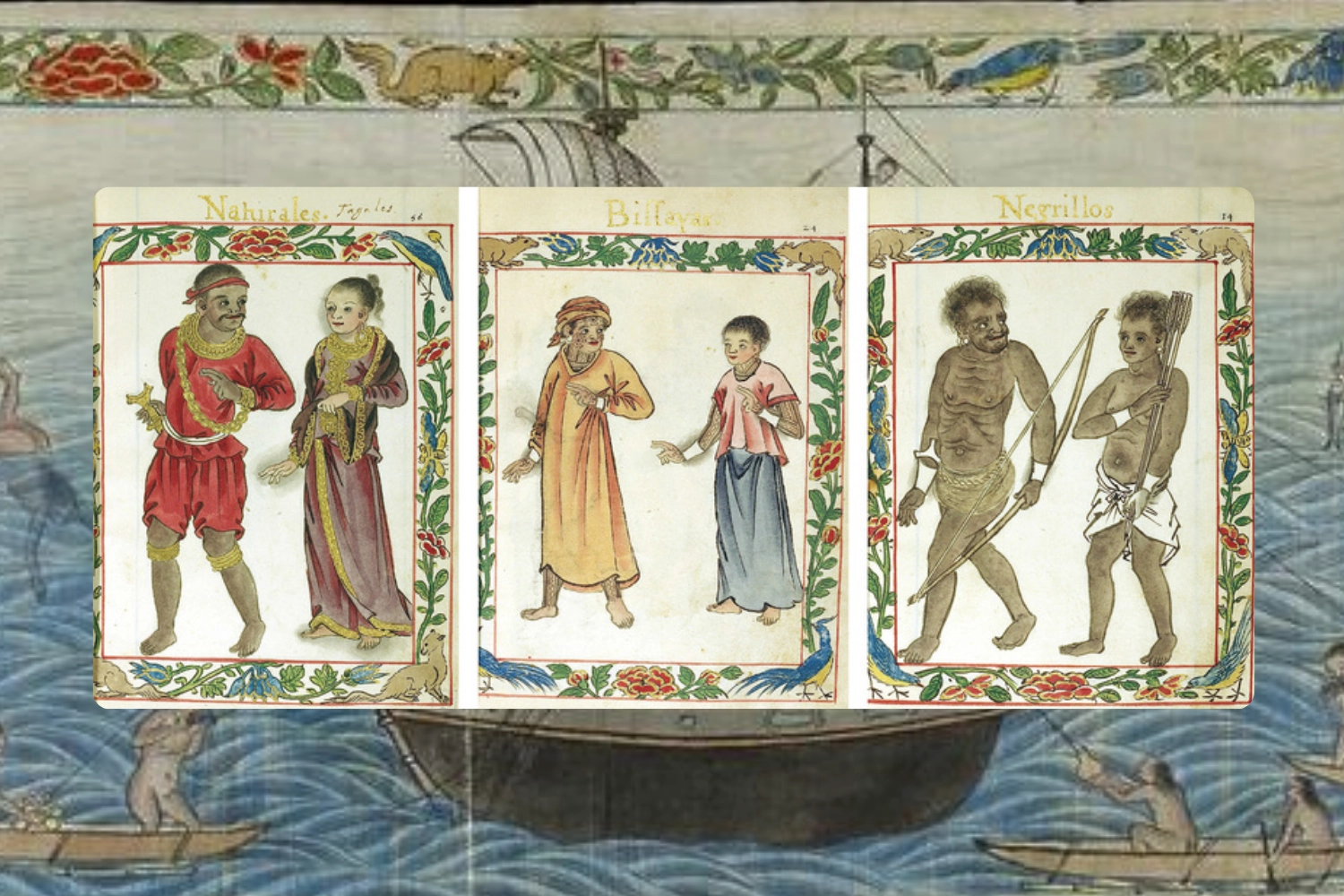
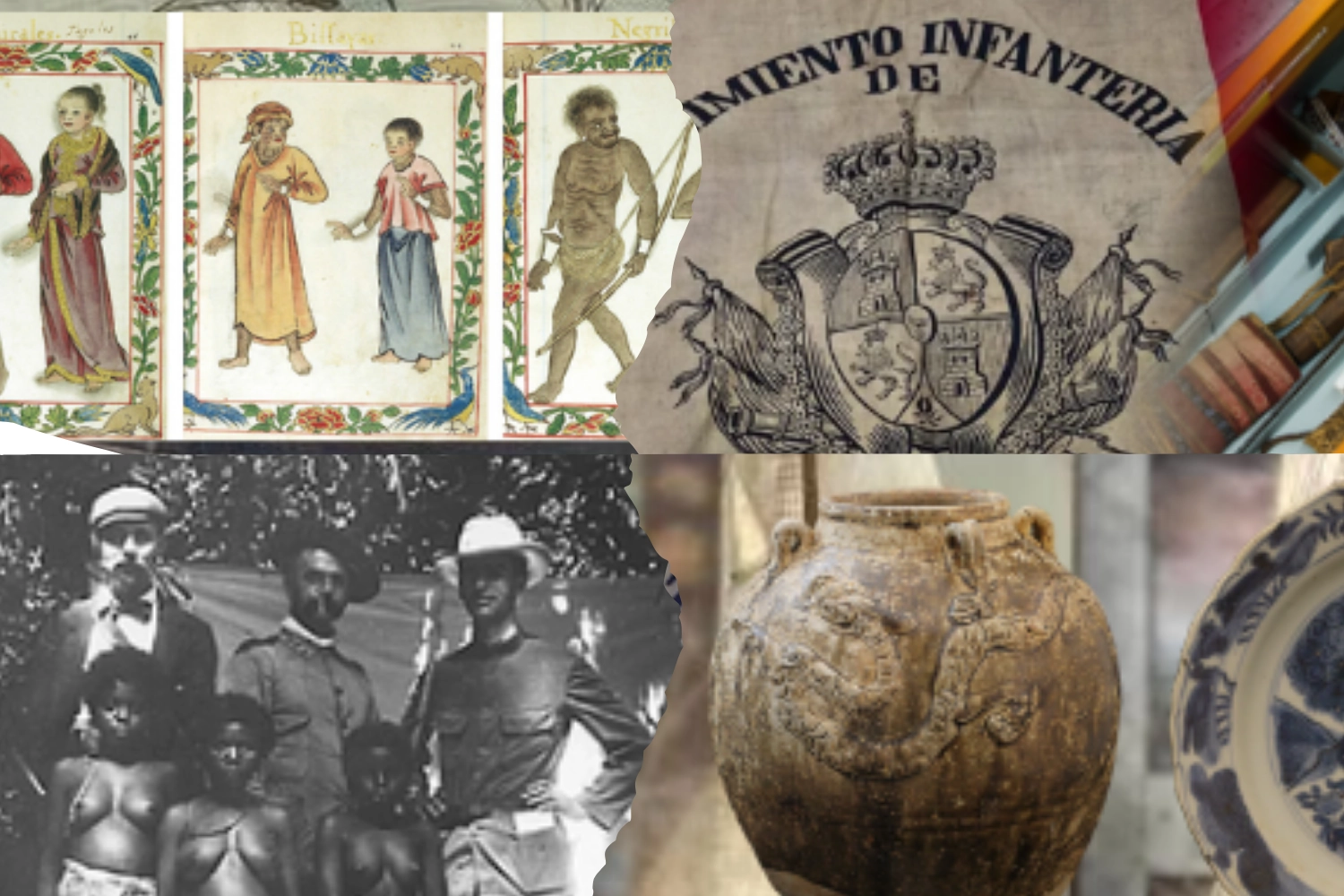
Preserved at Indiana University’s Lilly Library, the “Boxer Codex” is a manuscript dating to around 1590.
It contains 75 colored illustrations depicting inhabitants of the Philippines and other Asian societies, including their clothing, ornaments, and customs.
The manuscript was purchased at auction by scholar Charles Boxer in 1947.
WHY IT MATTERS: It preserves some of the earliest surviving illustrations of Filipinos during the initial period of Spanish colonization. Bringing it home, whether permanently or through an exhibition loan, would give Filipinos greater access to this remarkable historical record.
San Diego Shipwreck Treasures
Philippines and France
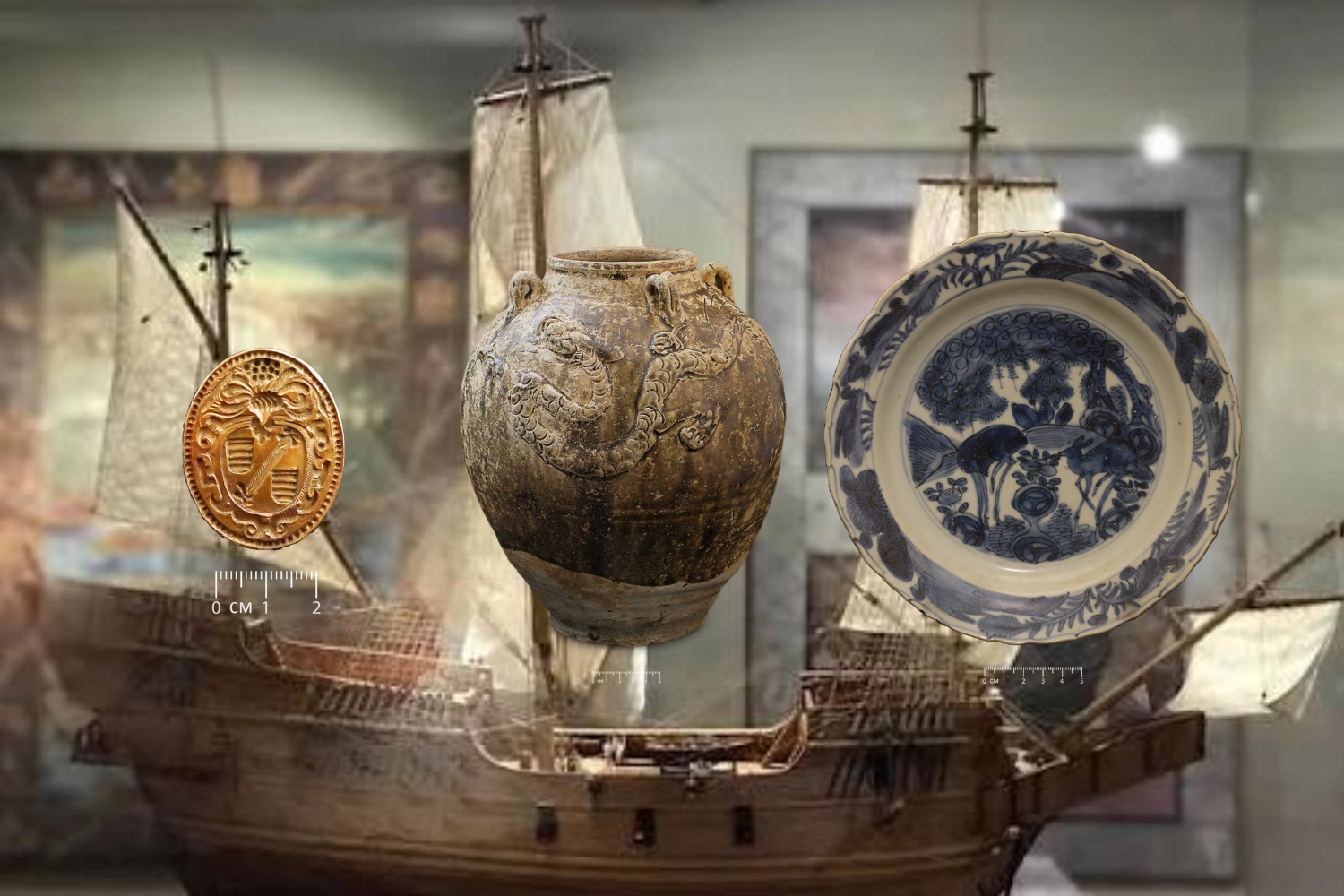
In 1600, the Spanish vessel “San Diego” sank near Fortune Island, Batangas, after battling a Dutch ship.
Excavations recovered more than 34,000 archaeological objects, including ceramics and maritime artifacts.
The treasures were exhibited in France in 1994, although historical records identify the Philippine National Museum as their custodian.
WHY THEY MATTER: The collection documents the Philippines’ role in early maritime trade. Its history underscores why the location, ownership, and accessibility of archaeological treasures must be carefully documented.
Dean Worcester Photographic Collection
United States
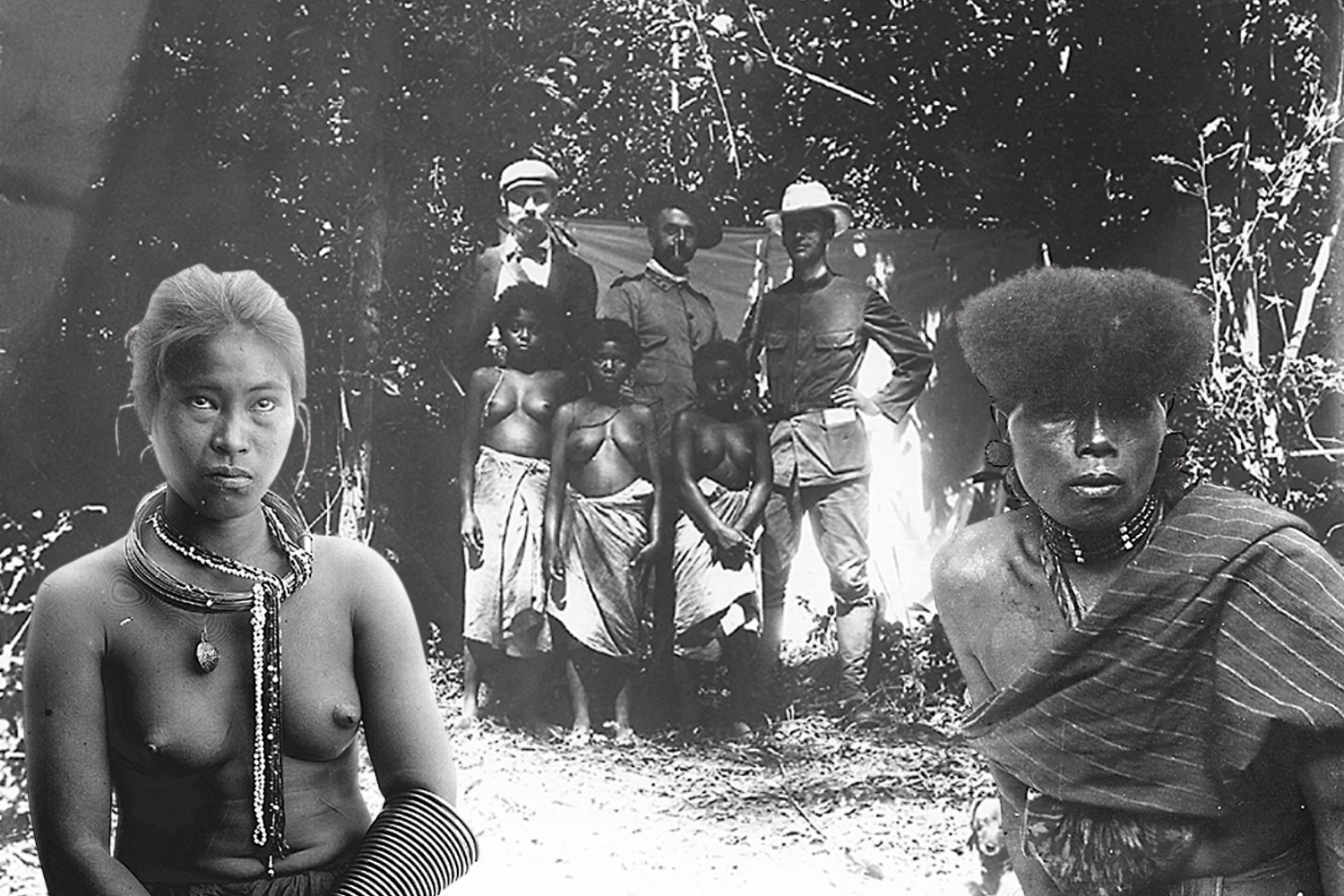
American colonial official Dean Worcester photographed Philippine communities extensively between 1890 and 1913.
The University of Michigan preserves nearly 5,000 glass negatives and lantern slides associated with his work.
His photographs helped shape American perceptions of Filipinos, often portraying indigenous communities through a colonial perspective.
WHY THEY MATTER: Filipinos should have greater access to these historical images and a stronger role in interpreting them, particularly communities whose ancestors were photographed.
Indigenous Artifacts
Spain and United States
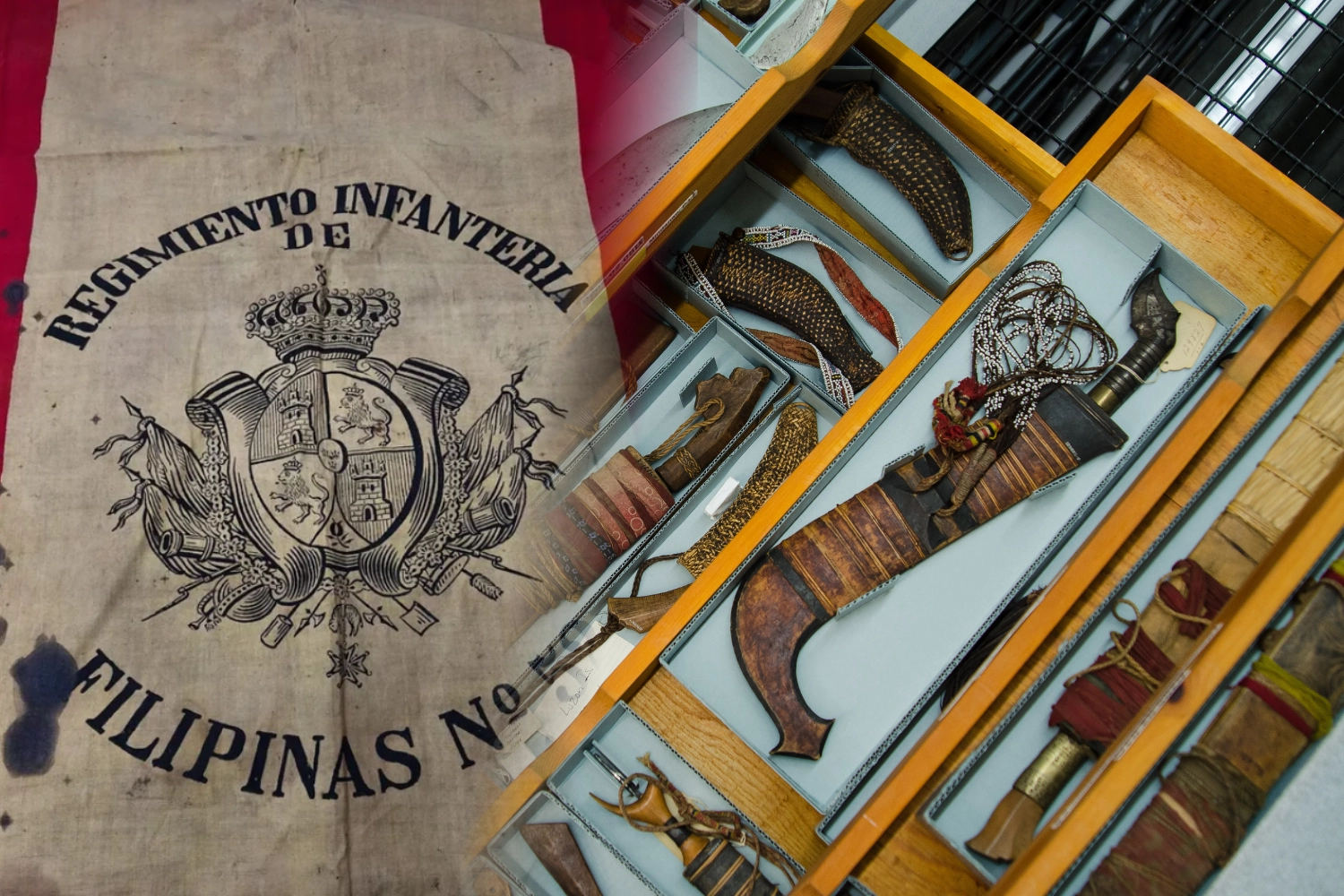
Chicago’s Field Museum holds more than 10,000 Philippine objects, including textiles, weapons, ornaments, and ritual equipment.
In Madrid, the National Museum of Anthropology preserves objects associated with the 1887 Philippine Exposition.
Other Spanish collections include historical objects from Sulu, including weapons and a flag taken during a Spanish military campaign in 1851.
WHY THEY MATTER: These objects preserve indigenous craftsmanship, beliefs, and community histories. Sacred and historically significant materials deserve careful consideration for return, particularly when communities of origin request them.
Who should control our history?
Not every Philippine artifact abroad was stolen, and repatriation requires examining ownership, provenance, and the wishes of originating communities.
The Mapping Philippine Material Culture project at SOAS University of London is helping document Filipino objects held overseas.
The Balangiga Bells proved that historical treasures can return home.
Perhaps it is time to examine what else deserves to come back.
Because preserving Filipino heritage should also mean giving Filipinos a meaningful voice in its future.