Dr. Gisselle Yusop is rethinking movement as a clinical necessity, urging fellow practitioners to integrate strength and recovery into the margins of their demanding schedules.
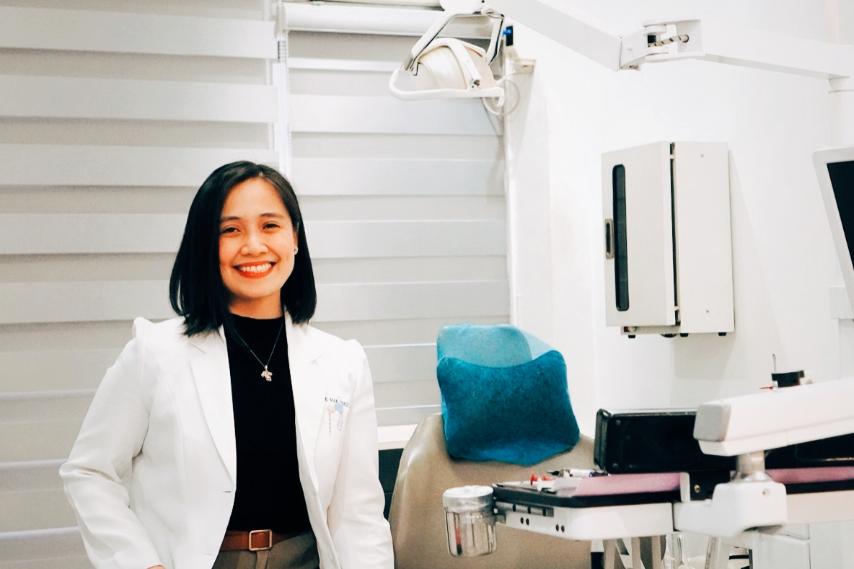
Dentistry is usually associated with precision work, long procedures, and hours spent in a fixed posture. For Dr. Gisselle Yusop, who runs a clinic in Makati, that picture leaves out something she believes should be part of the profession’s daily reality: fitness.
Yusop has seen how easily physical activity gets pushed aside in dental practice. Full schedules, back-to-back patients, and the nature of clinical work often mean long stretches of sitting or leaning forward in the same position. Over time, she said, this can lead to fatigue, stiffness, and discomfort that many dentists simply accept as part of the job.
“Many people underestimate how much dentistry takes a toll on the body,” Yusop told radar. “You don’t really notice it at first, but it builds up over time.”
Her advocacy is rooted in a simple but often overlooked idea that movement does not need to be complicated to make a difference. She argues that even small, consistent habits can change how the body handles the physical demands of clinical work. A short daily walk, light stretching between patients, or a few minutes of movement at home can already help reset energy levels during long clinic days.
For Yusop, the problem is not a lack of awareness, but how easily fitness gets deprioritized in a profession that already demands so much time and focus. That is where her message begins to land. She is not asking dentists to overhaul their routines but to insert movement into the margins of their day.
“Start small and be consistent,” she said. “Even just walking every day already changes how your body feels.”
That entry point, she explained, is often enough to shift how people see exercise. Once movement becomes familiar, it becomes easier to build on.

Building strength slowly and safely inside and outside the clinic
After walking or light activity becomes routine, Yusop encourages a gradual transition into more structured exercise. This is where strength training begins to enter the picture, but she is careful about how it is introduced.
“When people start weight training, I usually tell them to get a coach first for a few months,” she said. “It helps you learn proper form and avoid injuries early on. Once you understand the basics, it becomes a lot less intimidating.”
Her approach is shaped by what she sees in real life. Many professionals, especially those who have been inactive for years, tend to either avoid exercise altogether or push too hard too quickly. Both, she said, often lead to inconsistency or injury.
The goal, for her, is not intensity but sustainability. Fitness should feel manageable enough to maintain alongside a demanding clinical schedule. That means building confidence first, then gradually increasing load and complexity over time.
Her own routine reflects that philosophy. Yusop trains with weights several times a week, following a push and pull structure that allows her to target different muscle groups without overloading her body. She also includes dance sessions once a week, which she treats as both movement and mental release. Daily walks, usually 15 to 30 minutes long, remain a constant part of her schedule.
Rather than treating exercise as a separate appointment in her day, she adjusts it around clinic hours. Some days are lighter, others more structured, but the consistency remains.
“I don’t really see it as something separate from my workday,” she said. “It has to fit into my schedule; otherwise it becomes unsustainable.”
That flexibility, she added, is what allows her to maintain it long-term without feeling overwhelmed by rigid routines.

Recovery, nutrition, and the long-term demands of dentistry
Alongside movement, Yusop places strong emphasis on rest, something she believes is often misunderstood or overlooked in both fitness and professional culture. Recovery, she explained, is what allows the body to adapt to physical strain, especially in a field that requires prolonged focus and static posture.
“If you don’t rest properly, you feel it in your work,” she said. “Your body gets tired, and even your focus in the clinic changes. Recovery is part of performance, not something optional.”
That perspective also shapes how she approaches nutrition. Instead of strict diets or restrictive eating patterns, she focuses on balance and consistency. The goal is to support energy levels throughout the day, especially during long clinical hours, rather than limit them.
She also acknowledges that dentistry itself is changing, particularly with the gradual introduction of digital tools and artificial intelligence in clinical workflows. While she sees value in these developments for tasks like research support and imaging assistance, she is clear that they do not replace professional judgment.
AI, she said, can support the work, but it cannot replace the physical and mental demands of being present in a clinic. That reality, in her view, makes personal health even more important, not less.
For Yusop, fitness is not an external goal separate from dentistry. It is part of what allows dentists to continue doing the work without breaking down physically over time. In her Makati clinic, this perspective has become part of how she talks to colleagues and younger practitioners, especially those just entering the profession.
Her advocacy circles back to something that holds a lot of meaning to her. Dentistry will always demand long hours and sustained focus. The body carries that workload every day. Movement, she believes, is simply a way of making sure it can keep up.
Dentistry demands long hours, steady hands, and sustained focus, but physical health often takes a backseat. In Makati, Dr. Gisselle Yusop is encouraging fellow dentists to start small, move more, and treat fitness as part of their professional routine.