The discovery offers an opportunity to track the little fire ant’s spread and contain it as soon as possible.
A tiny but highly invasive ant capable of delivering painful stings, disrupting ecosystems and worsening agricultural pest problems has been detected in the Philippines for the first time, prompting concern over how far it may have already spread.
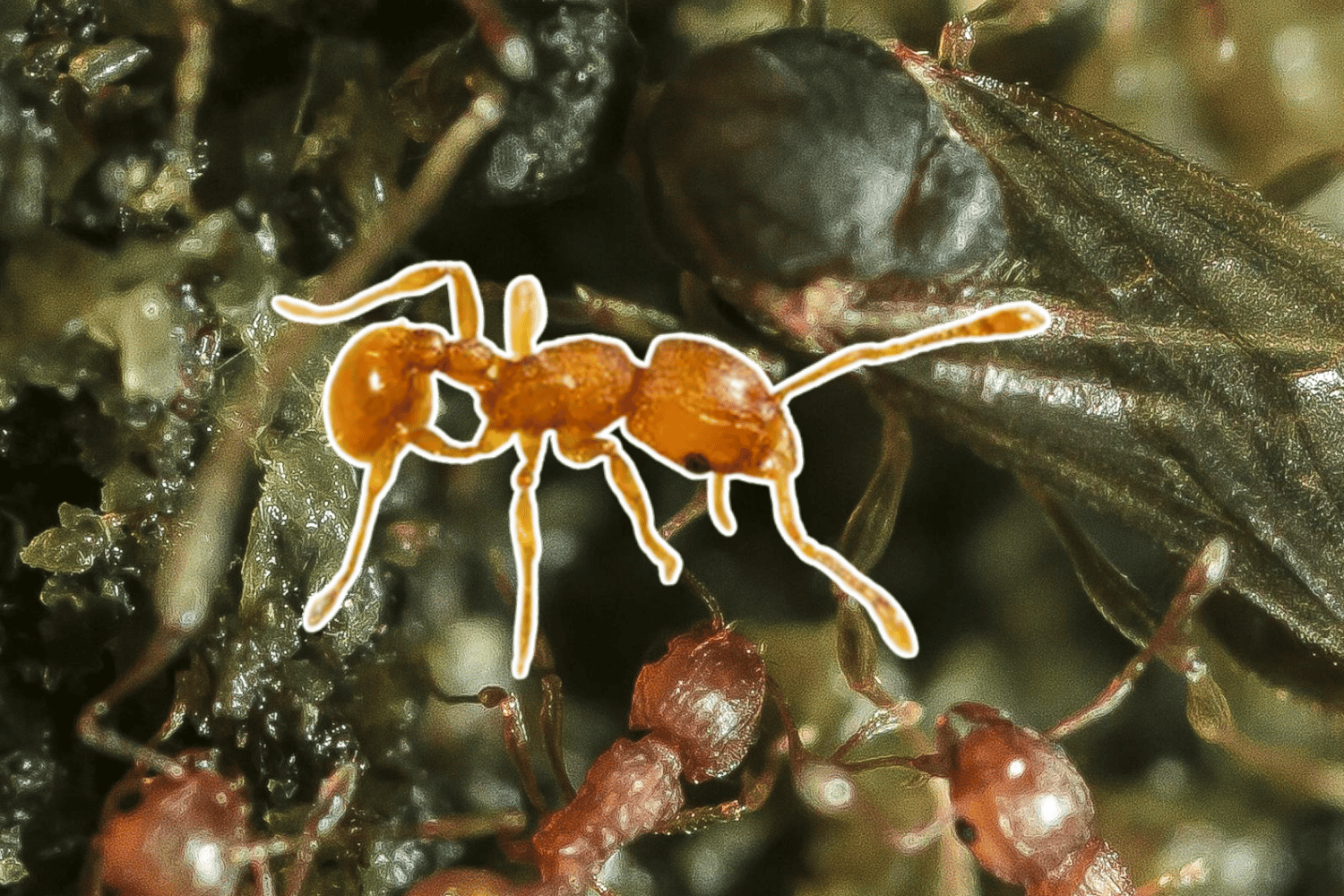
Researchers from Mindanao State University-Iligan Institute of Technology (MSU-IIT) discovered the little fire ant (Wasmannia auropunctata) in two communities in Barangay Rogongon, Iligan City, during fieldwork in October 2025. The finding was published in BioInvasions Records on August 6, 2026, establishing the country’s first documented record of the species.
Measuring just 1 to 1.5 millimeters, the ant can easily go unnoticed—but its arrival could carry much larger consequences if populations are allowed to spread.
The team included MSU-IIT researchers April Rose Monding and Olga Nuñeza and ant specialist Philip Ward of the University of California. The species is native to Central and South America but has invaded areas across Africa, North America, Taiwan and several Pacific islands.
Despite its minute size, the little fire ant has earned a reputation as one of the world’s most invasive ants.
It can establish dense populations, deliver painful stings and displace native ants and other small animals. Of particular concern to the Philippines is its potential impact on agriculture.
Little fire ants can protect sap-feeding agricultural pests such as mealybugs, aphids and scale insects from predators in exchange for their sugary secretions. This relationship can allow pest populations to flourish, potentially creating additional problems for farmers.
Specimens documented in Rogongon were collected from tree trunks at a rainforest edge and cultivated land, including workers observed moving along a coconut tree.
The discovery does not mean the invasive ant has already spread widely across the Philippines or caused large-scale agricultural damage.
During the researchers’ survey, the species was not detected at three other Iligan sites closer to the city’s urban center. Researchers have stressed, however, that further surveillance is necessary to determine its actual distribution.
That makes early detection crucial.
Invasive ants can hitch rides in soil, plants and transported materials, allowing tiny colonies to travel unnoticed across long distances.
For the Philippines, the newly confirmed record provides an opportunity to determine how far the little fire ant has already spread—and potentially contain it before a 1-millimeter invader becomes a much bigger problem.
READ: