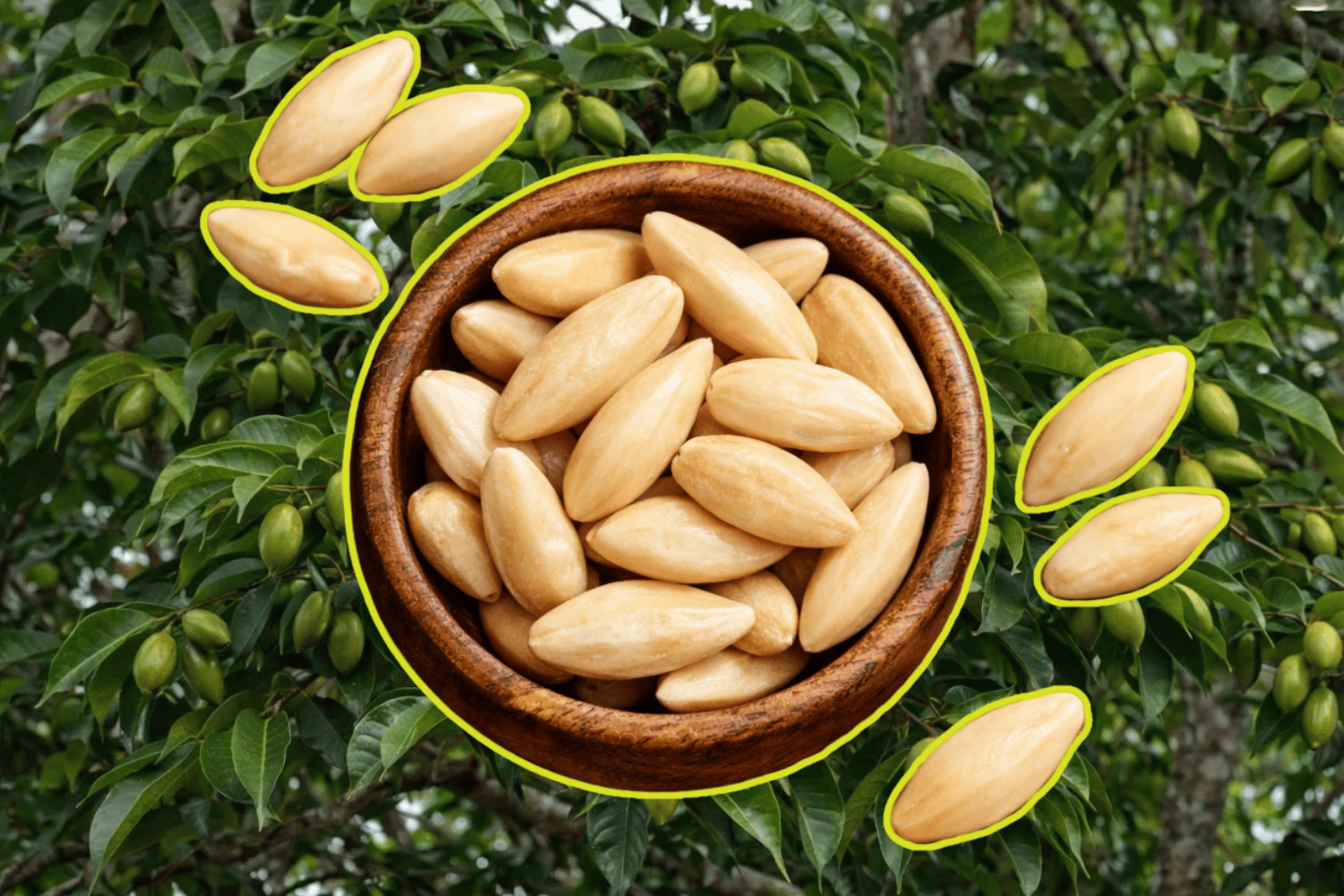
Filipinos have been eating a food now marketed abroad as an exotic “superfood” for generations.
You probably know pili as the buttery nut coated in sugar, tucked inside a pasalubong box from Bicol or transformed into candies that disappear dangerously fast.
But strip away the caramel and syrup, and the humble pili turns out to be a nutritional heavyweight hiding in plain sight.
Native to the Philippines and strongly associated with Bicol, pili nuts are naturally rich in fat, particularly monounsaturated fats—the same broad category of “healthy fats” found in foods such as olive oil and avocados.
That unusually high fat content also comes with relatively few carbohydrates, which has helped pili gain attention internationally among people following low-carb and ketogenic diets.
But there is more hiding beneath that hard shell.
Pili is a notable source of magnesium, a mineral involved in hundreds of processes in the body, including normal muscle and nerve function and bone health. It also contains phosphorus and other minerals that contribute to maintaining healthy bones.
Then there is vitamin E.
Pili nuts can provide significant amounts of this fat-soluble antioxidant, which helps protect cells from oxidative damage. Conveniently, the nut’s natural fat also helps the body absorb fat-soluble vitamins such as vitamin E.
Pili also provides protein and several essential amino acids, making it a surprisingly nutrient-dense snack. Its combination of fat and protein may also help with satiety, potentially keeping you feeling full longer than more carbohydrate-heavy snacks.
And because plain pili nuts are naturally low in carbohydrates, they can fit into eating patterns designed to limit carbohydrate intake. That does not make pili a treatment for diabetes—or any other disease—but it does make the nut nutritionally interesting beyond its familiar role as pasalubong.
There is, however, one catch.
Pili nuts pack a lot of energy into a small serving. An ounce can contain around 200 calories, depending on preparation, so eating an entire bag while convincing yourself it is “healthy” can quickly defeat the purpose.
And the candied, glazed and sugar-coated pili we love? Those obviously come with added sugar.
Perhaps pili’s biggest surprise is that Filipinos have been eating a food now marketed abroad as an exotic “superfood” for generations.
We just knew it as pili.
READ: