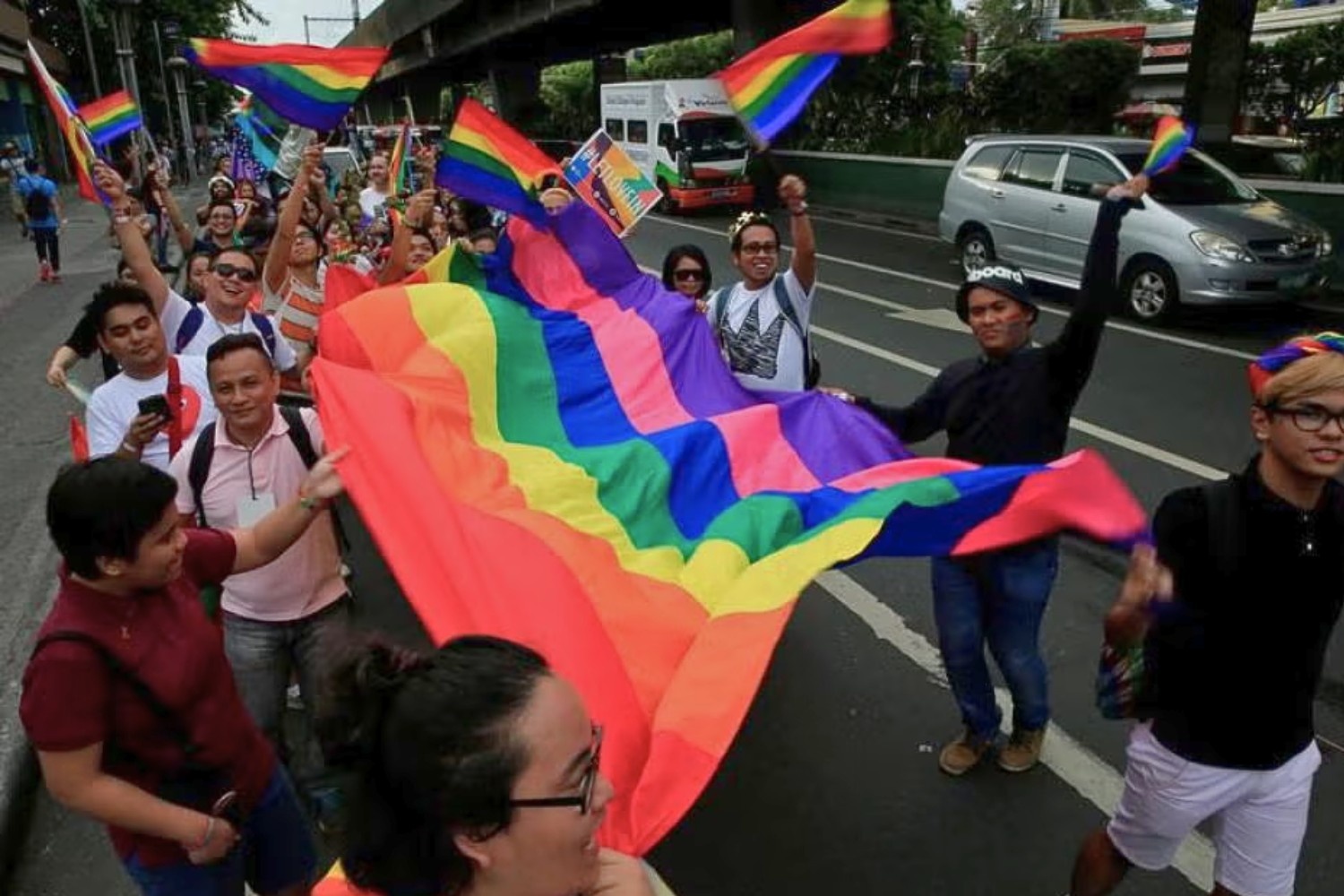
11% of Filipino adults identify as LGBTQ+.
According to a global study conducted by Statista Consumer Insights, the Philippines boasts the highest share of adults identifying as LGBTQ+ in the world at a staggering 11%, tying with the United States and leading nations like Thailand (10%), Sweden (9%), and Brazil (8%).
For the average observer, this looks like a massive win for Pinoy representation. But looking past the shiny infographic reveals a highly volatile cultural paradox: high social visibility paired with near-total legal stagnation.
Why PH ranks so high
Culturally, the Philippines has long been recognized as one of the most socially tolerant nations in Asia regarding queer media presence, entertainment representation, and general public acceptance.
Statista conducts these global consumer insights through online surveying. Because the active internet population in the Philippines trends exceptionally young—dominated by highly expressive Gen Z and Millennials—the data captures a demographic that is statistically much more eager to openly self-identify compared to older, conservative generations.
Tolerated, but not protected
Statista’s study exposes a paradox in Philippine society: high cultural visibility masked by severe structural fractures.
Despite commanding 11% of the population, queer Filipinos lack national protections, as the SOGIE Equality Bill remains deadlocked in Congress for over two decades. This leaves the country legally lagging behind global human rights standards.
Furthermore, local corporations eagerly cash in on the community’s massive consumer spending by plastering rainbow logos during Pride Month, yet they rarely extend institutional benefits like medical HMO coverage to same-sex domestic partners.
Most critically, superficial public tolerance fails to guarantee safety. Localized data reveals a heartbreaking mental health crisis, with many LGBTQ+ youth still struggling with severe anxiety, depression, and suicidal ideation due to deep-seated domestic rejection and systemic bullying.
Walk the talk
Data proves we are here, we are loud, and we make up a massive pillar of the modern Philippine nation. It’s time our laws and corporate structures mirror that reality.
Businesses must move past performative rainbow capitalism by catching up with global BPO standards to restructure health insurance (HMO) policies, ensuring they include same-sex domestic partners.
Because national legislation remains heavily deadlocked, advocacy must target Local Government Units (LGUs). Advocates can persuade city councils to pass and strictly enforce local Anti-Discrimination Ordinances (ADOs).
READ: