Ever wondered where the classic Filipino phrase "19 kopong-kopong" actually comes from? This nostalgic expression has a surprisingly literal history that transforms an everyday household joke into a piece of living cultural folklore.
You’re halfway through cleaning out an old cabinet when your tita suddenly pulls out a cracked Tupperware container, laughs, and says, “Naku, panahon pa ’yan ng 19 kopong-kopong.”
Everyone in the room immediately understands what she means. The object is ancient, hopelessly outdated, and somehow still surviving.
Yet for many Filipinos who grew up hearing the phrase at family gatherings or Sunday lunches, few ever stopped to ask where “19 kopong-kopong” actually came from.
For years, the expression simply floated around Filipino households like inherited folklore. You hear it whenever someone talks about old radios, outdated beliefs, or appliancesstubbornly refusing to retire despite decades of use.
“Yang electric fan na ’yan? Panahon pa ng 19 kopong-kopong.”
You may find vintage appliances and electronics, like a TV or an electric fan, in your grandparents' home.
As kids, most of us never really questioned it. We understood the feeling of the phrase long before we understood the words themselves. It simply meant sobrang luma—a time so far away it almost sounded mythical. Somewhere beside black-and-white TV, rotary phones, and stories about riding kalesas to school.
But the phrase actually has a surprisingly literal origin.
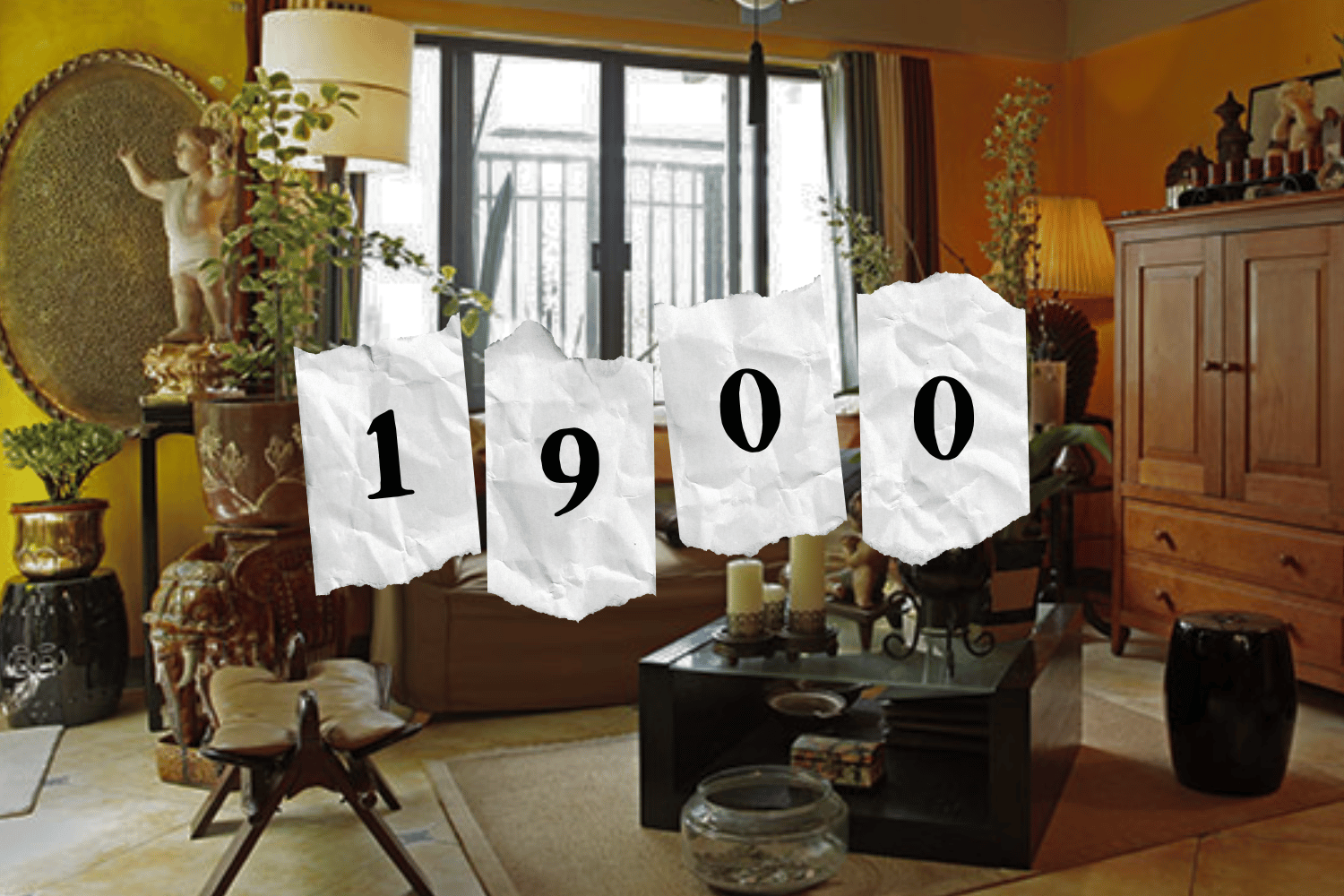
“Kopong” is believed to come from the Javanese or Indonesian word meaning “zero” or “empty.” So when older Filipinos say “19 kopong-kopong,” they’re essentially referring to “1900” — shorthand for something incredibly old-fashioned.
Over time, the phrase evolved into something bigger than a date. It became cultural exaggeration at its finest — the Filipino habit of turning ordinary storytelling into colorful comedy. Instead of simply calling something old, Filipinos make it sound like it survived several generations.
That’s probably why the phrase continues to endure. “19 kopong-kopong” instantly brings to mind yellowing lace tablecloths, squeaky wooden cabinets, transistor radios humming in the afternoon, and grandparents proudly keeping broken things alive with endless repairs.
Even younger Filipinos who never experienced those eras somehow understand the phrase instinctively. Because in Filipino homes, some expressions become part of the furniture itself — passed around so often that they survive longer than the objects they describe.
‘Kopong’ is believed to come from the Javanese or Indonesian word meaning ‘zero’ or “empty.” So when older Filipinos say ’19 kopong-kopong,’ they’re essentially referring to ‘1900’ — shorthand for something incredibly old-fashioned.