A rare geological treasure hidden beneath the concrete jungle of the nation’s capital.
For many Filipinos, Metro Manila is the last place they would expect to find a natural cave.
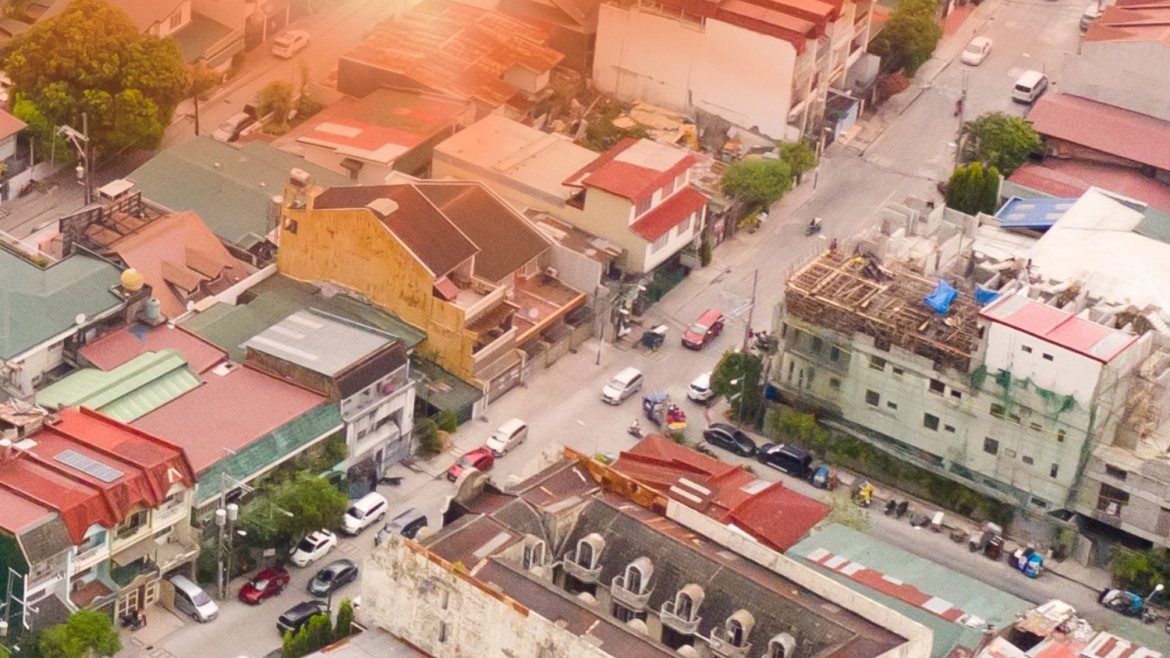
The capital is known for its traffic jams, towering condominiums, crowded neighborhoods, and endless stretches of concrete. Yet hidden within the La Mesa Watershed area in Quezon City lies a surprising secret that many are discovering for the first time: the only known natural cave system in Metro Manila.
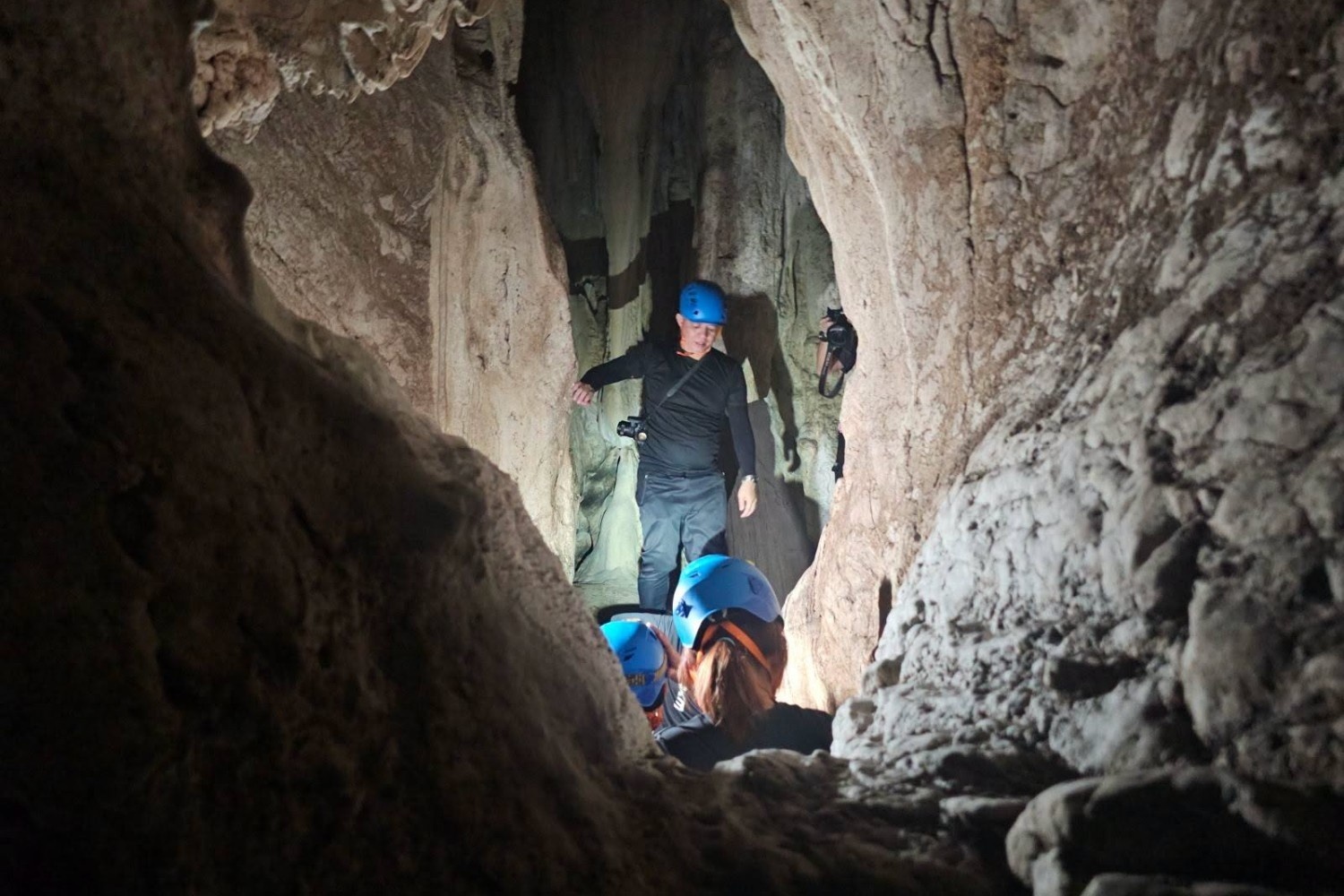
Known as Apugan Cave, the site recently gained attention after environmental agencies highlighted its importance as a rare geological and ecological treasure in the middle of the country’s largest urban center.
Its name comes from the Tagalog word apog or limestone, a clue to what lies beneath. The cave is a roughly 100-meter-long limestone formation marked by sedimentary rock layers and mineral deposits—evidence of a landscape that existed long before skyscrapers and expressways transformed the capital.
What makes the story even more remarkable is that Apugan Cave was only officially documented in 2016.
For a metropolis of more than 13 million people, the idea that a significant natural cave remained largely unknown until the last decade feels almost unbelievable.
But Apugan Cave is more than just an underground curiosity.
Environmental experts say the cave serves as a natural underground reservoir that helps filter, regulate, and purify water before it reaches surrounding areas. Hidden beneath the city, it quietly performs an ecological function essential to the health of the watershed.
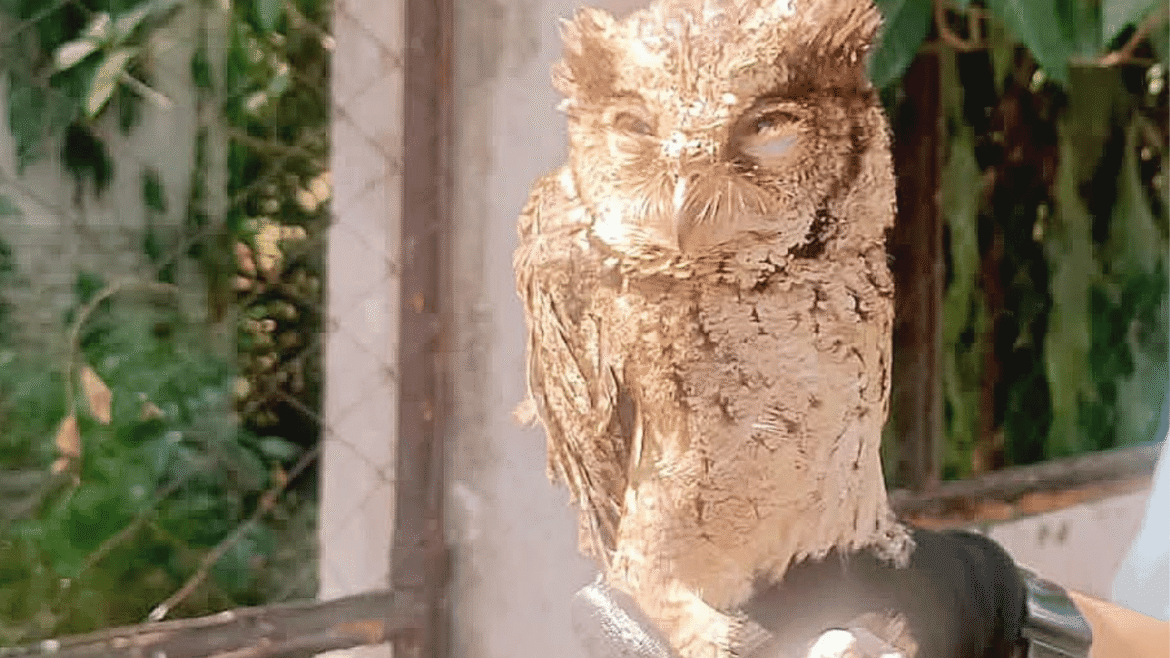
The cave is also home to wildlife that has managed to survive despite being surrounded by one of Southeast Asia’s most densely populated urban regions. Previous assessments documented species using its chambers as shelter, underscoring its value as a refuge for urban biodiversity.
Recognizing its scientific and environmental importance, the Department of Environment and Natural Resources has classified the site as a Class II cave, meaning it contains sensitive ecosystems and fragile natural formations that require protection.
That is why the public cannot visit it.
Unlike the famous cave destinations of Sagada, Samar, or Palawan, Apugan Cave remains closed to tourists. Only authorized researchers, geologists, and students conducting scientific studies are permitted to enter as authorities continue developing conservation plans for the site.
Perhaps the most fascinating part of the story is not that the cave exists, but that so many Filipinos are only hearing about it now.
In a city often described as a jungle of concrete and steel, Apugan Cave is a reminder that nature still survives in unexpected places. Beneath the roads, shopping malls, and office towers lies a hidden world that challenges what many thought they knew about Metro Manila.
READ: