It complicates the Philippine’s entry to the US-led Pax Silica tech coalition.
The Philippines’ push to build an AI-focused industrial hub in New Clark City in Tarlac has hit another setback after a ₱2.5-billion information and communications technology infrastructure project received no bidders.
The Bases Conversion and Development Authority declared a failure of bidding for the project after the Prequalification, Bids, and Awards Committee received zero submissions by the June 25, 2026, deadline.
The declaration was formalized through PBAC Resolution No. 2026-001, pursuant to Section 92 of the Public-Private Partnership Code.
The project is part of the Philippines’ commitment after becoming the 13th signatory to Pax Silica, a United States-led coalition focused on securing the global AI and semiconductor supply chain, on April 17.
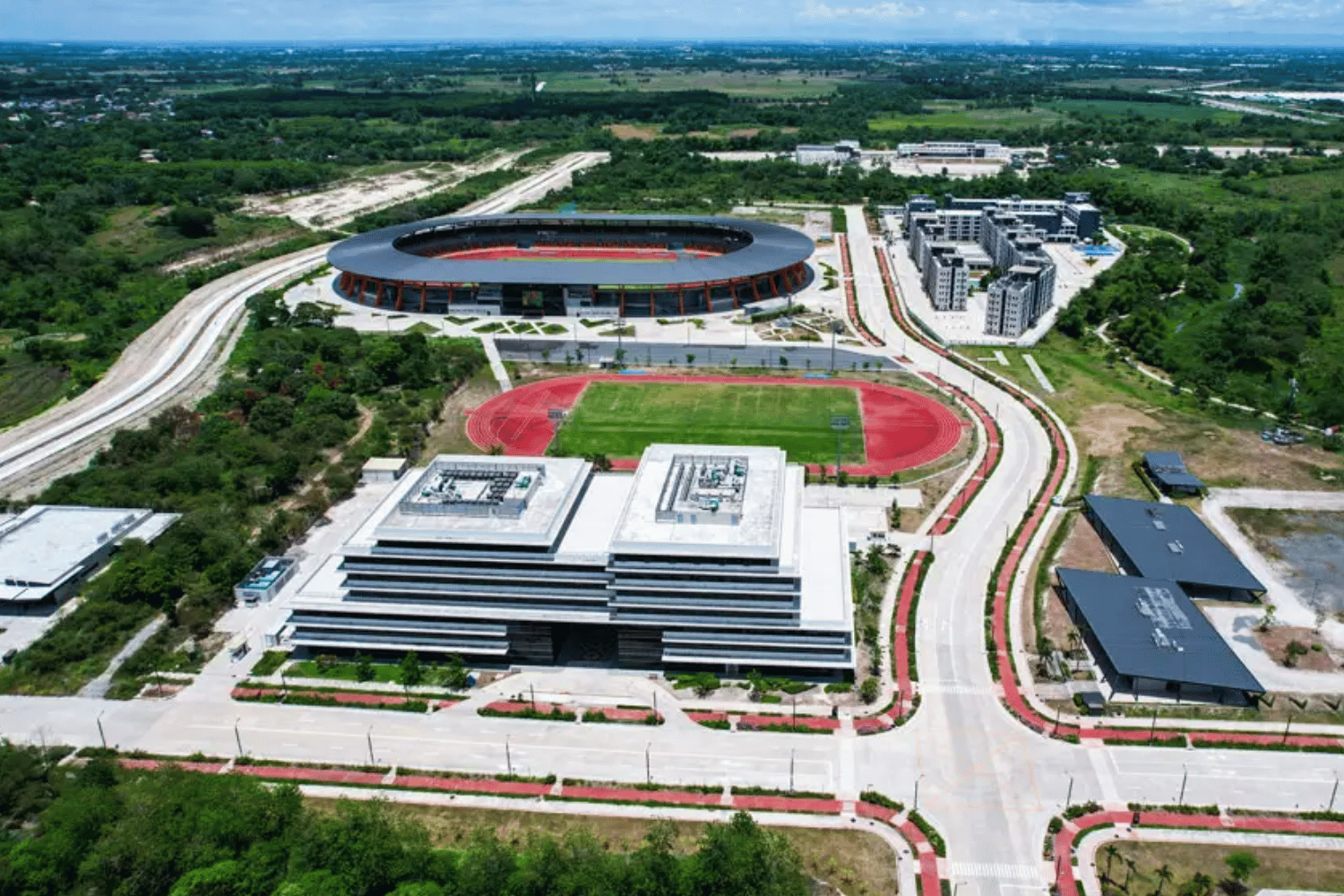
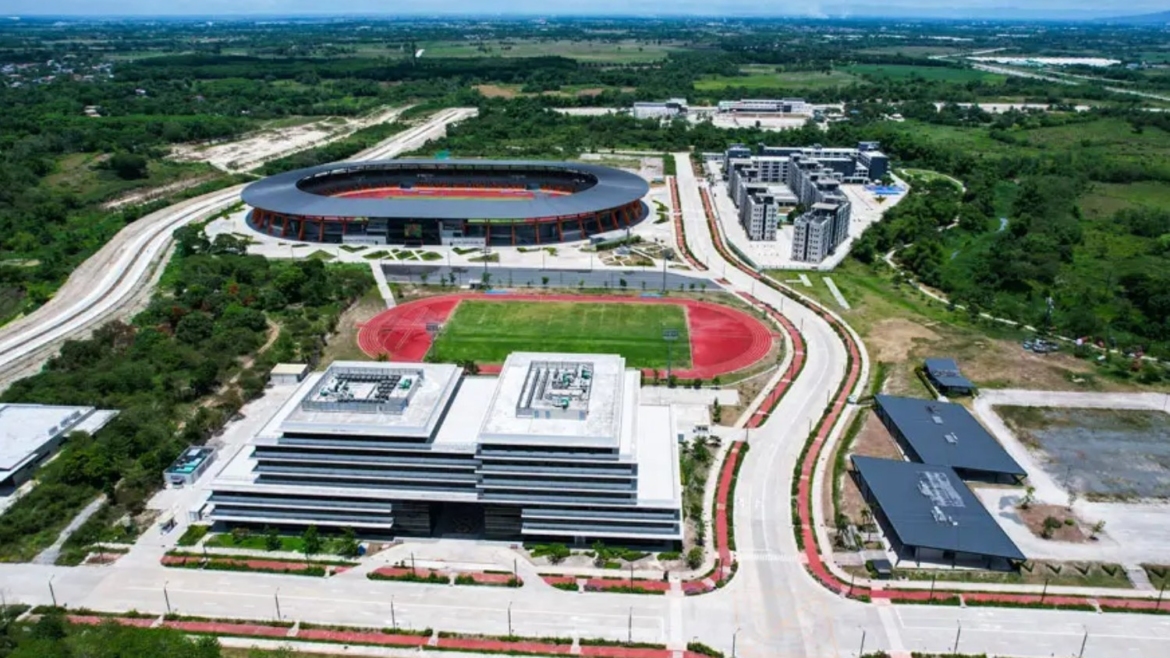
The agreement includes plans to build a 1,600-hectare AI-native industrial hub in New Clark City.
Membership in the coalition is projected to help local tech industries move up, allowing them to shift focus toward advanced AI data processing—and attract foreign investment in high-tech manufacturing.
But the New Clark City project has faced repeated delays.
The BCDA first launched the bidding in October 2023, but the single prospective bidder was ineligible.
A second bidding was launched in February 2025, but was suspended the following month to align with the terms of the newly implemented PPP Code that time. A third bidding launched in May of the same year failed to produce a qualified proponent.
If future bidding efforts succeed, the New Clark City hub could help integrate the country further into the global technology supply chain.
However, large-scale AI infrastructure also faces broader concerns over land use, with local groups raising concerns over the environmental impact of allocating 1,600 hectares to tech infrastructure in Central Luzon.
Generative AI systems also rely on data centers that require continuous cooling, a process that consumes millions of liters of water annually.
The United Nations University Institute for Water, Environment and Health on Jan. 20 reported that the world is facing water bankruptcy, a crisis that may be intensified by the growing demands of expanding tech sectors.
Energy capacity is another challenge for AI infrastructure. The Luzon grid frequently experiences thin operating reserves, triggering red and yellow alerts during the dry summer months. The Philippines also records some of the highest electricity rates in Southeast Asia, driven by a heavy reliance on imported fossil fuels.
For an AI-native hub to be globally competitive, it requires cheap, stable, and sustainable power, which makes the current local energy landscape a significant hurdle.
The BCDA has yet to announce the next steps for the long-delayed project.
READ: