Wall Street Journal reports a landmark economic security zone aimed at critical minerals, advanced manufacturing, and reduced dependence on China.
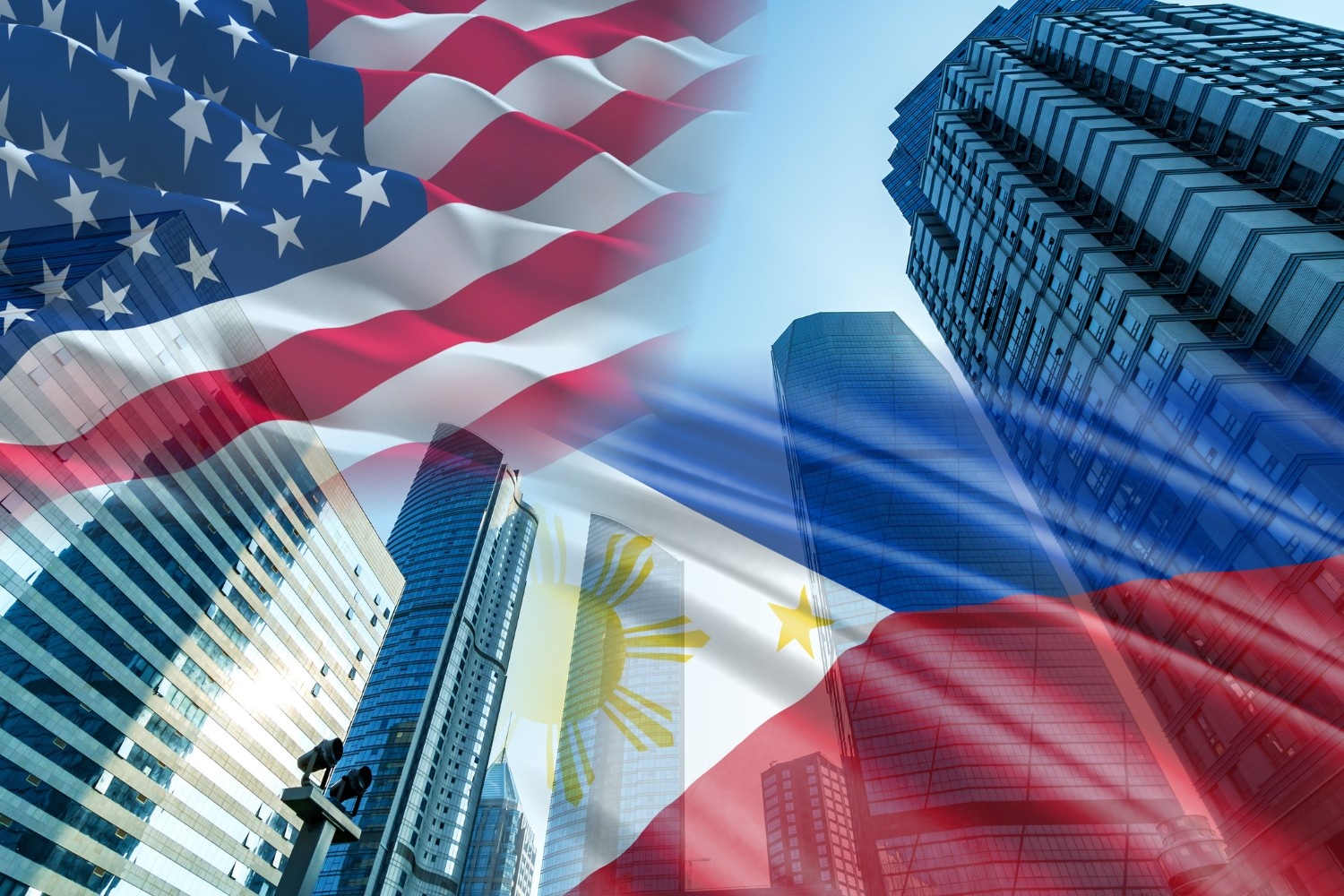
A high-tech industrial hub in Luzon designed to anchor AI-powered manufacturing and critical minerals processing is set to take shape after the Philippines and the United States agreed to develop the project, according to an exclusive report from the Wall Street Journal.
Under the agreement, a 4,000-acre site in Luzon will be made available by Manila for US companies. These firms will operate inside a special economic zone governed under US common law and granted diplomatic-style protections, the WSJ report said. The arrangement is positioned as a way to give investors legal certainty while operating in a highly strategic offshore environment.
The hub is expected to support Washington’s broader effort to reduce dependence on China across critical supply chains, particularly in rare earths and battery materials used in electronics, electric vehicles, and advanced manufacturing. It also reflects growing urgency in securing upstream inputs, with China still dominating large portions of global mineral processing capacity.
The project signals a potential shift for the Philippines from being primarily a raw mineral exporter to a more integrated role in global manufacturing value chains. The country’s reserves of nickel, copper, cobalt, and chromite are expected to feed both local processing activity and exports tied to US manufacturing systems.
Deeper PH-US strategic alignment
Factories planned for the zone are expected to be highly automated and AI-enabled, operating around the clock. Companies participating will be required to submit proposals outlining how they will manage energy costs and workforce needs, including options for local hiring or deploying foreign workers.
The development also deepens strategic alignment between Manila and Washington amid ongoing tensions with Beijing in the South China Sea, where China’s maritime assertiveness continues to shape regional security calculations. Beijing has previously criticized similar initiatives as exclusive trade blocs that distort global supply chains.
The project also places the Philippines within the broader “Pax Silica” coalition of U.S. partners focused on securing AI-era supply chains and countering China’s industrial dominance. It builds on earlier initiatives such as the Luzon Economic Corridor, which links infrastructure, clean energy, semiconductor supply chains, and access to key ports like Subic Bay.
“This purpose-built platform will secure inputs vital to American supply chains and transform how allies manufacture together,” said Under Secretary of State Jacob S. Helberg on his official X account.
While still largely conceptual, with participating companies yet to be named, the initiative signals a more explicit fusion of industrial policy, technology strategy, and geopolitics, placing the Philippines more firmly inside the evolving architecture of global supply chain realignment.