Practicing faith is a right but discussing it must be optional.
You are having lunch with new coworkers when someone casually asks, “Catholic ka?”
You answer yes. Then another person says they are Born Again. Someone else quietly says they no longer go to church. Suddenly, one coworker starts explaining why their church follows the “real” teachings of the Bible.
The table goes quiet.
Someone takes a long sip of iced tea. Another looks at their phone. One laughs awkwardly and says, “Anyway, saan tayo after lunch?”
Nobody argued. Nobody was offended enough to complain. But everyone could feel it: the conversation had become awkward.
In the Philippines, faith is deeply woven into everyday life. But being a religious country does not mean religion belongs in every conversation. Catholics, Muslims, Iglesia ni Cristo members, Protestants, Aglipayans and people with no religion regularly share the same workplaces, schools and social circles.
Sometimes, respect means simply not bringing it up.
1. During job interviews

A job interview should determine whether someone can do the job—not where they worship.
Questions about religious affiliation can introduce prejudice into hiring. Philippine labor law also prohibits discrimination in employment based on religion, subject to limited exceptions.
2. When you just met someone

“What religion are you?” may sound innocent, but asking which church someone attends, why they stopped practicing or whether they have been “saved” can become invasive remarkably quickly.
Religion is personal information, not a compulsory icebreaker.
3. During business meetings

Imagine discussing a major proposal when someone suddenly starts preaching or questioning another person’s beliefs.
Business meetings should focus on objectives, money and decisions. Religious discussions can unnecessarily alienate clients and colleagues who believe differently.
4. At wakes and funerals
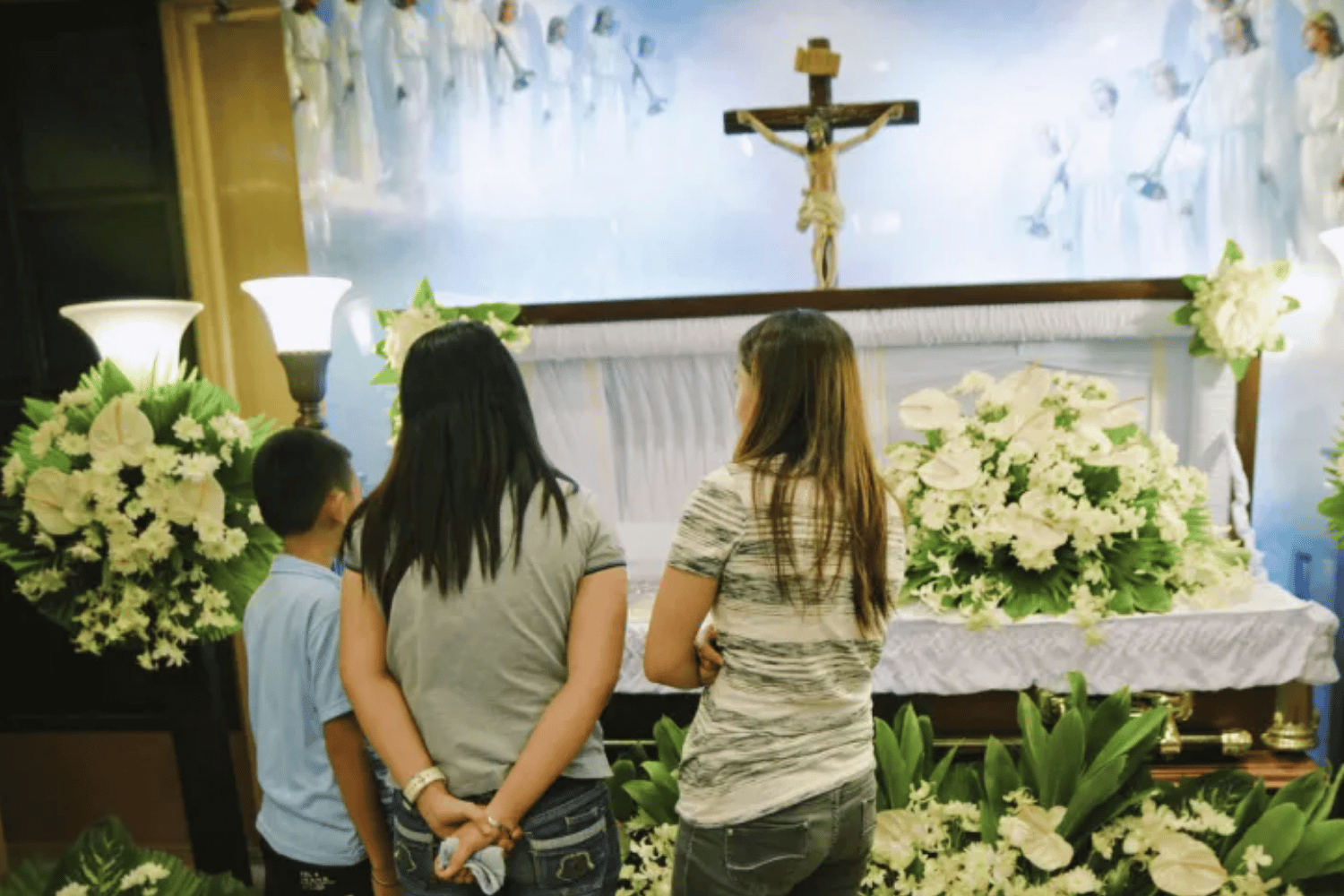
Grief is not an invitation to debate theology.
Comments about salvation, divine punishment, purgatory or whether the deceased followed the “correct” religion can cause additional pain.
Even “God has a reason” may not comfort everyone. Unless religious consolation is clearly welcomed, sincere sympathy is safer.
5. When someone is in crisis

A marriage collapses. Someone receives a frightening diagnosis. A friend loses their livelihood.
These moments require empathy—not unsolicited preaching.
Telling someone that God is testing them, they need stronger faith or their suffering is punishment can trivialize what they are experiencing.
Religious encouragement can be powerful when welcomed. Otherwise, listen first.
6. When you have power over someone
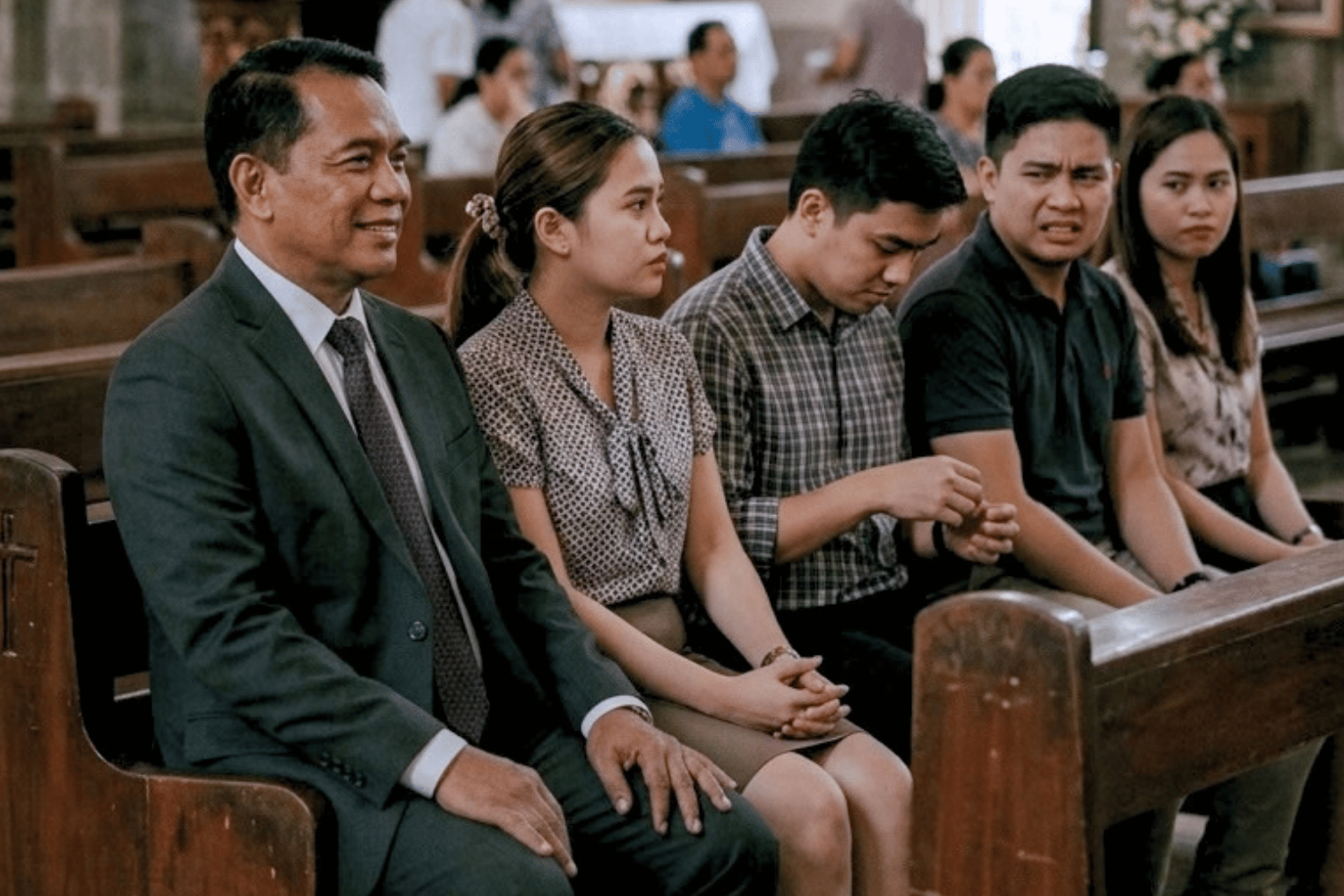
A boss repeatedly invites employees to church. A supervisor asks subordinates about their religious practices. A professor pushes personal beliefs during an unrelated class.
The invitation may sound friendly, but the power imbalance matters. Employees may feel they have to agree simply because saying no to the boss feels risky.
Faith stops being freely shared when participation feels professionally necessary.
7. When they clearly don’t want to talk about it

Filipinos do not always say, “Please stop.”
They may laugh awkwardly, reply “Ah, ganoon ba?”, change the subject, check their phones or simply become quiet.
Take the hint.
Continuing to preach or challenge someone’s beliefs after they show discomfort crosses the line between sharing religion and imposing it.
Faith does not require an audience
The Constitution protects religious freedom. That freedom matters precisely because Filipinos are entitled to believe differently—or not believe at all.
There is nothing wrong with discussing faith when everyone welcomes the conversation.
But your freedom to practice your religion does not create an obligation for somebody else to discuss it.
Sometimes, respecting another person’s faith means knowing when to stop talking about yours.