Skip to content Skip to sidebar Skip to footer

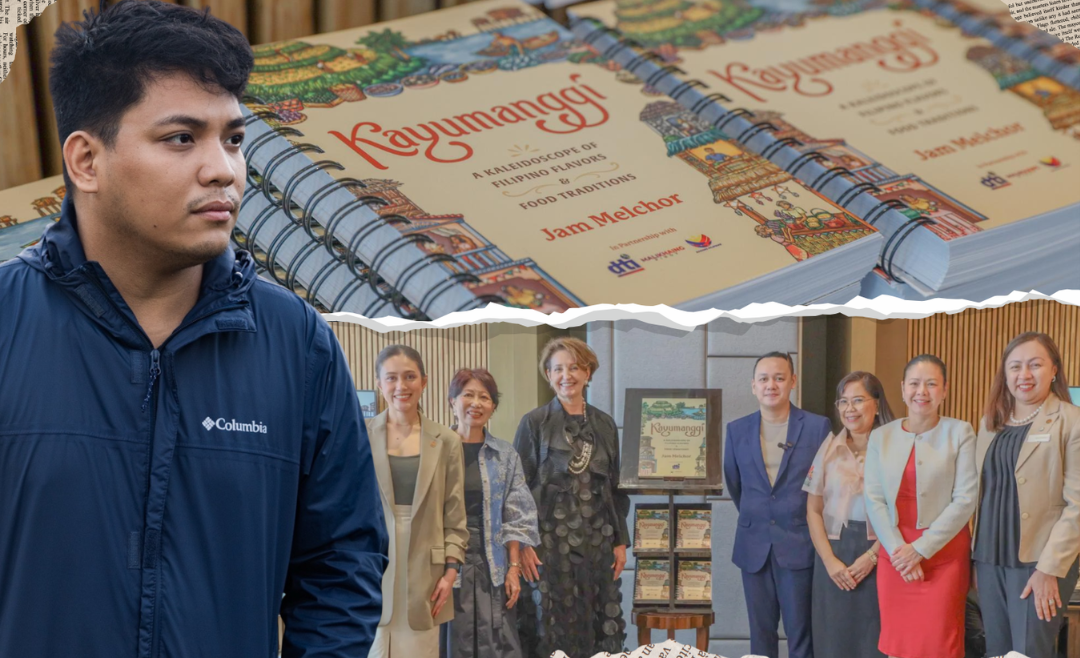
Lokalpedia founder John Sherwin Felix has spent years documenting rare native ingredients. Now, he faces a lawsuit from the author of the Department of Trade and Industry (DTI)-published book for doing exactly what his platform promised: ensuring Filipino food heritage is recorded correctly.

Culinary content creators often dabble in sharing recipes, filming ASMR mukbang content (satisfying sounds and visuals of eating), or reviewing the latest food trends. Yet only a handful put ingredients at the center, document their history and the process of gathering them, or highlight the people behind the labor. 

One such content creator is John Sherwin Felix, a communication practitioner and food mapper dedicated to archiving every native Filipino ingredient and culinary tradition through his platform, Lokalpedia. In the past five years, Felix’s journey has been slow and rough, but ultimately rewarding. 


Passion through family roots 

Born and raised in San Jose, Occidental Mindoro, Felix grew up in a family of exceptional cooks, a common skill set many Filipinos have. He was introduced to a variety of flavors during his childhood, with his mother owning a successful catering business. Felix’s appreciation for food and culinary arts deepened when he witnessed his family’s meticulous production of ube halaya by hand. 

Oddly enough, Felix took a different path and studied communication arts at Far Eastern University. He graduated Magna Cum Laude in 2019 and eventually began his career in public relations. 

Then came the COVID-19 pandemic a year later. As everyone remained indoors, many sought productivity amidst the mundane daily life, including Felix, who retraced his family roots and tried cooking the dishes he loved in his childhood.

This led to his passion project, Banana Leaf Kitchen, a page where he shared his culinary creations. 

 
During these cooking sessions, Felix realized that many of the ingredients he used were native only to specific and often overlooked areas of the Philippines. He traveled, talked with locals, documented these indigenous ingredients, and published his discoveries in his personal profile. 

The salt that started it all 

Once a hobby, it became a lifelong vocation when Felix posted a rare artisanal sea salt called asin tibuok from Albuquerque, Bohol, in 2021. The salt is a product of a rigorous, months-long practice by Boholano salt makers. 
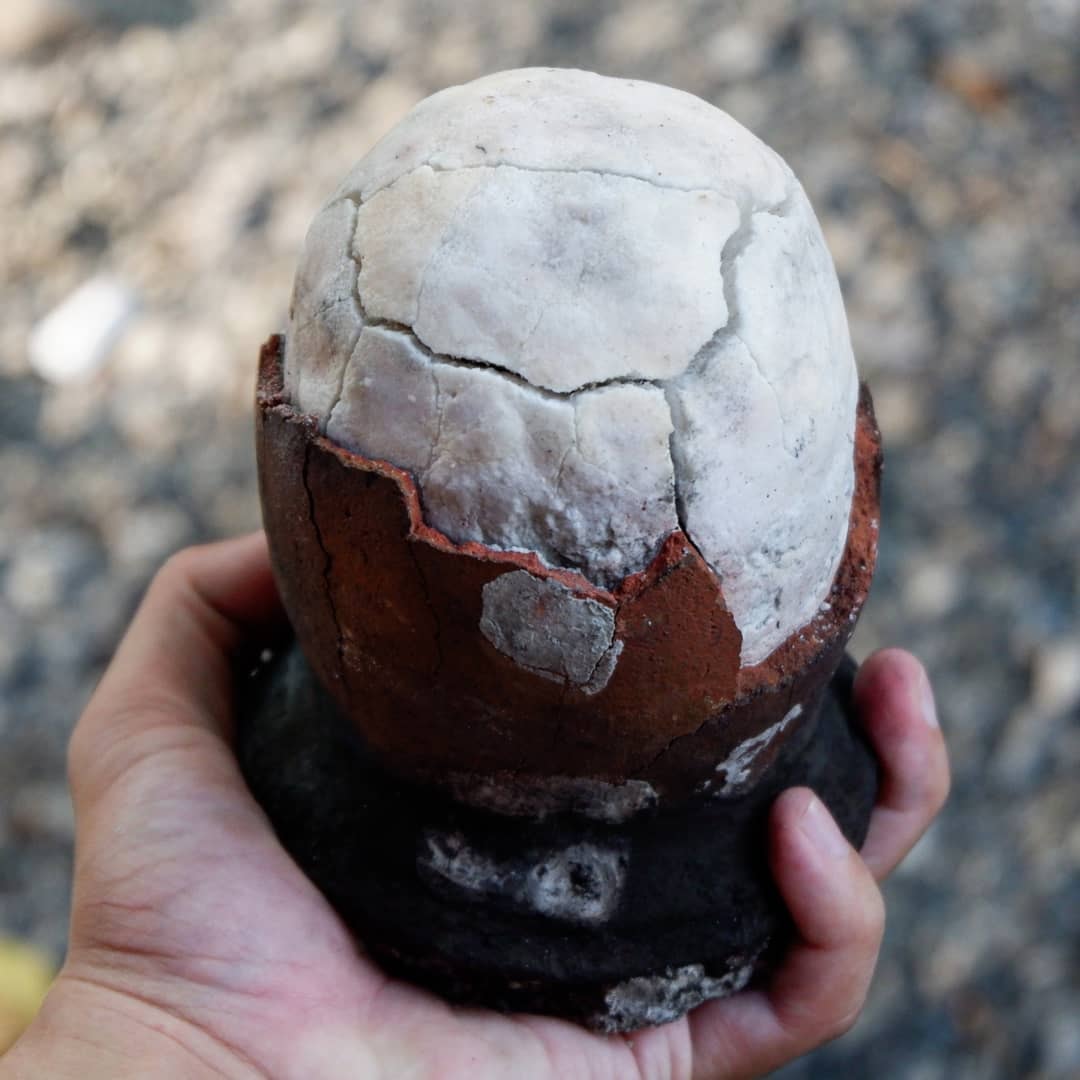
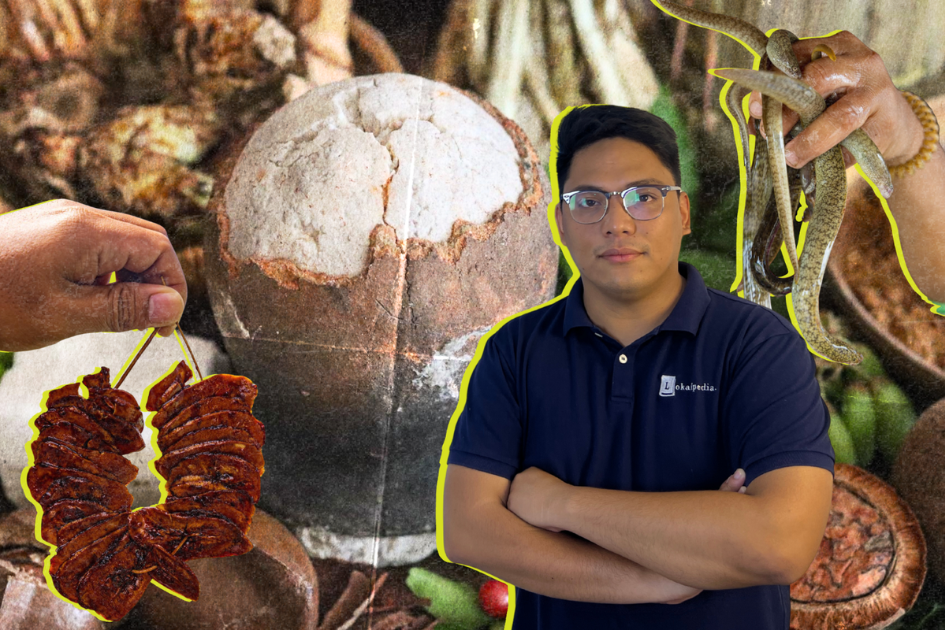
Asin tibuok
Often called a “dinosaur egg” due to its appearance, asin tibuok is made by filtering seawater through burned coconut husks and roasting it in clay pots for hours. The result is a dome-shaped salt with a smoky, mineral-rich taste. Photo by John Sherwin Felix


As the post saw huge engagement, asin tibuok sales and popularity skyrocketed. More importantly, last year, UNESCO recognized the practice of making asin tibuok as an Intangible Cultural Heritage. This sparked a fire in Felix’s heart to continue his craft and create a proper channel for his content. 

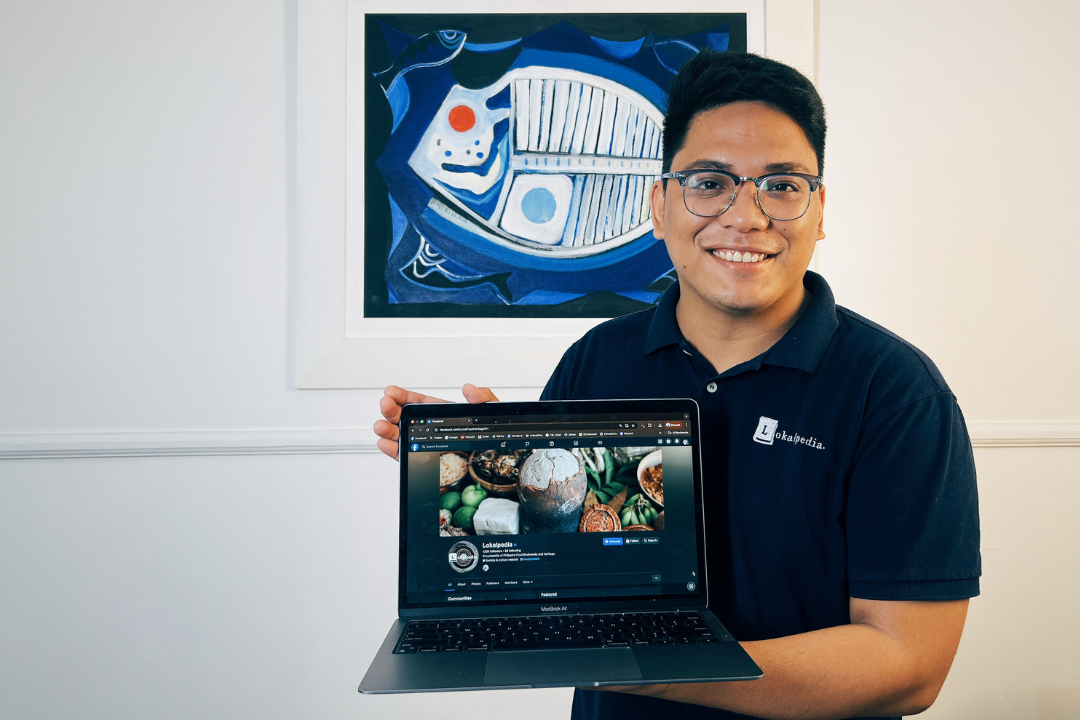
Lokalpedia was born, an extension of his platform to archive and preserve culinary heritage and tradition. Soon after, Felix left the corporate industry to focus on Lokalpedia. 

A different breed of content creator 

Felix takes a different path as he stays true to his values, calls out social injustices, and refuses to play safe. For him, Lokalpedia is more than a platform for content. It is a space for his advocacy, promoting Filipino identity, environmental awareness, and the call for government action. 


“The plight of the farmers or even human rights are not separate from the problems with the food system. Iilan lang ba yung mga mainstream na kayang makapagsalita?” he said. 

Felix may be the face of Lokalpedia, but he ensures that the locals behind the craft and the topics he shares remain in the spotlight. “I always put people at the center. That’s how I make things at least relevant,” said Felix. 

The weight of a one-man project

From planning to production, Lokalpedia is a one-man project, relying solely on page monetization, crowdfunding, and available freelancers for additional resources and support. This, along with the constant messages he receives, results in Felix feeling overwhelmed and pressured. 

To avoid burnout, he practices digital detox and bonds with fellow content creators, notably Sassa Gurl, his closest friend and support system. As they “log off,” they avoid discussing their online personas. 


While Felix’s greatest strength lies in storytelling, he sometimes lingers on the thought that he cannot extend much help for locals in their most difficult struggles. 

“I’ve seen the poorest of the poor, a lot of worst-case scenarios on the ground. Sometimes, di mo rin magagawa lahat kasi mauubos ka din,” said Felix. This reality motivated him to be more loud and expressive with his campaign. 

Reaping the rewards 

Even if challenges ensue, Felix sees the brighter side of it all. 

His audience, initially starting with family and friends, now consists of scientists, National Artists, politicians, and celebrities. This responsibility inspires him to pour his effort and focus into his research. 

Throughout his journey, Felix’s greatest reward is seeing the enthusiasm and joy from the locals he features as they share their craft in front of the camera. 

“Madodocument ko yung buhay ng tao, then nata-transform ko siya into beautiful photographs,” said Felix, “At that moment, artista din ang mga locals, farmers, vendors, and artisans.” 


A few, however, still feel uncomfortable opting for candid portraits and showing only some parts of their homes. Following media ethics, Felix prioritizes their privacy and welfare, while criticizing other creators and media outlets that lean towards sensationalism and exploitation. 

“I don’t own them and the story. I owe them with their story,” said Felix. 


The future of Lokalpedia 

Looking ahead, Felix plans to keep focusing on Lokalpedia, expand the platform’s reach, and experiment with new forms of creating content, such as occasional vlogs. 


As for his biggest project, Felix announced that his upcoming book titled “Philippine Ingredients: The Pillars of Our Cuisine” is almost complete, transcending Lokalpedia from the online world to physical media. 

“You also acknowledge yung walang access as a digital space. That’s why I love to have a book printed for me,” said Felix. 


Felix continues to make a mark as one of the most creative and expressive content creators out there. Despite being a one-man production, he perseveres and champions Filipino identity and culture one ingredient at a time. 


I have that responsibility to actually create not just good but excellent content. I believe each post of mine or even other content creators with the same advocacy contributes to building our nationhood and identity.


READ: