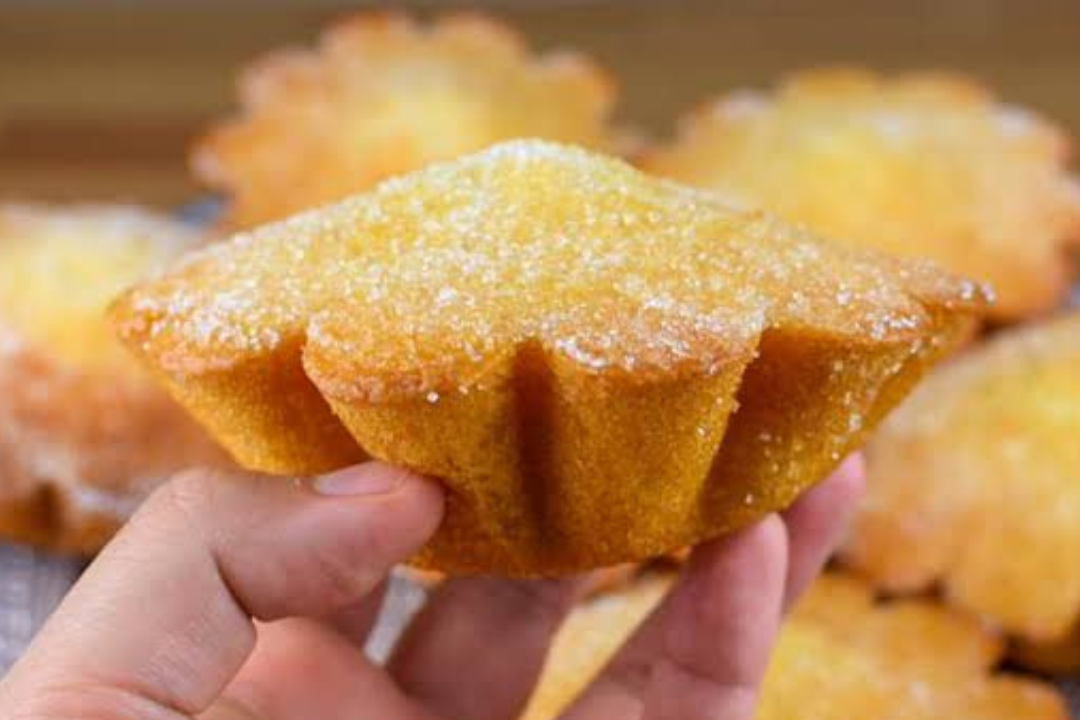
The aromatic blend of native tuba and anise defined the golden age of Argaoan baking. Now, the heirloom ritual is slipping from the Visayan kitchen.
In many Visayan homes, the scent of torta Cebuana signals something more than just dessert—it means a celebration is underway. Whether it’s fiesta season, Christmas, or a long-awaited family reunion, these golden, spongy cakes take center stage on tables filled with laughter, stories, and generations of tradition.
Originating from the historic town of Argao in Cebu, torta is unlike the savory “torta” known in Luzon. This one is sweet, rich, and deeply nostalgic. Made with egg yolks, lard or butter, and often infused with the faint licorice aroma of anise, it carries a flavor that feels both festive and familiar. Traditionally, it is leavened with tuba—fermented coconut wine—giving it a subtle tang and a texture that sits somewhere between airy and dense. Paired with a steaming cup of sikwate, it becomes more than a snack; it becomes a ritual.
But beyond its taste, torta is about the process—the slow, communal act of making it. In many families, recipes are heirlooms, passed down with quiet pride. No two tortas are exactly alike. Some are softer, others richer; some topped with sugar, others with cheese or raisins. Each version carries the signature of the family that makes it.
The communal glow of the pugon
There was a time when baking torta meant waking up early, cracking dozens of eggs, and patiently waiting for the batter to rise. Without ovens at home, families would bring their prepared mixtures to the neighborhood bakeshop, renting space in a pugon—a traditional clay oven. There, trays of torta would line up, each one marked or remembered, as neighbors exchanged stories while waiting for their cakes to bake. It was as much a social gathering as it was a culinary task.
For many, childhood memories are tied to these moments—the warmth of the kitchen, the hum of conversation, the excitement of tasting the first freshly baked piece. Torta was not an everyday indulgence; it was seasonal, reserved for occasions that mattered, which made every bite feel earned and special.
Today, however, that ritual is slowly fading. As modern bakeshops offer more convenient options, many families quietly turn away from making torta altogether. Convenience has replaced tradition, and the once-familiar sight of families lining up at communal ovens has become rare.
Yet, in every bite of a well-made torta Cebuana lies a quiet reminder of those times—when baking was an act of togetherness, and sweetness was something shared, not just served.
Torta is about the process—the slow, communal act of making it. In many families, recipes are heirlooms, passed down with quiet pride.
READ: