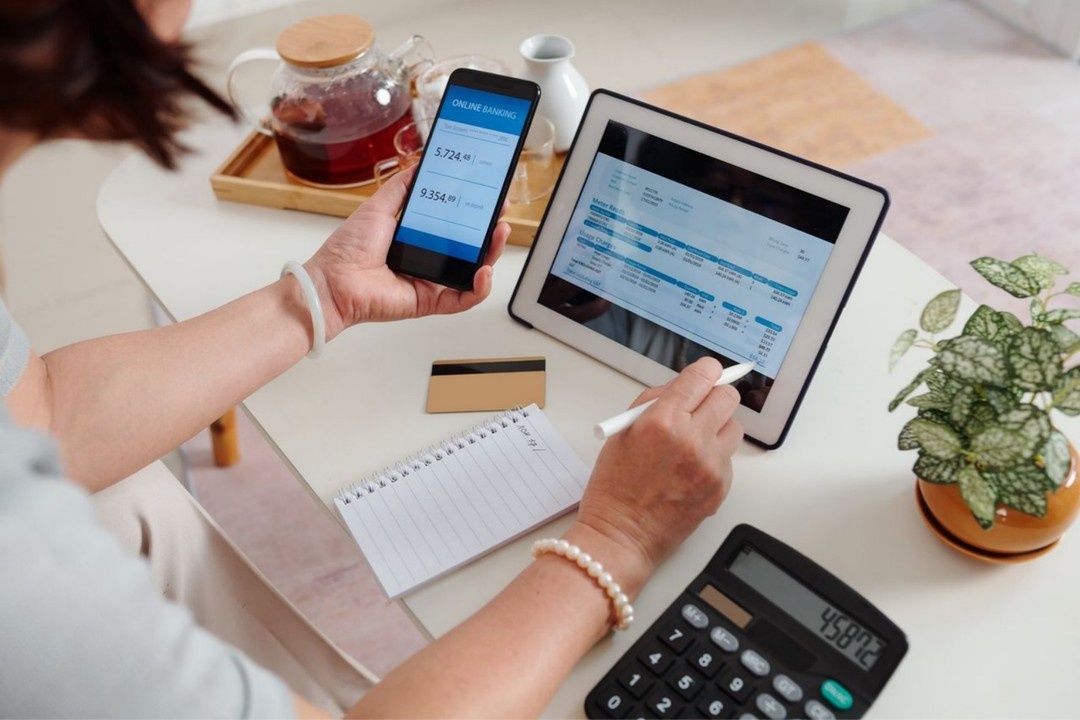
Kaya Founders’ study finds Filipinos make only about three digital payments monthly as transaction costs and infrastructure gaps slow wider adoption compared to markets with near-zero fees.
Sending money online is part of everyday life for many Filipinos, from splitting bills to paying small businesses, but the extra ₱10 to ₱50 per transfer can add up, especially for those making multiple transactions each week.
A recent report by local venture capital firm Kaya Founders revealed that while e-wallets now reach over 70 million users, cross-usage remains relatively low due to high transaction costs and digital infrastructure gaps. It noted that many users still rely on basic wallet functions, with limited movement across different platforms and services, slowing deeper adoption of digital payments in daily routines.
The disproportionate cost of ₱25
Services like InstaPay can charge ₱10 to ₱25 per transfer, while PESONet fees can go as high as ₱50. Because of this, many users stick to basic transfers instead of using digital payments for everyday purchases or recurring expenses. For small-value transactions, these fees can feel disproportionate, especially for users who send money frequently for transport, food, or household needs.
Lagging behind global peers
Despite billions of transactions, Filipinos average only around three digital payments per month, lagging far behind countries like India and Brazil, where near-zero fees of up to ₱0.50 allow more frequent use across daily activities.
This burden is also felt by small businesses, which often absorb or pass on transfer costs, making digital payments less appealing for regular transactions. Some merchants also limit payment options or set minimum amounts to offset fees, which can further affect customer behavior and cashless adoption.
Why are we still using cash? Despite 70 million e-wallet users, Filipinos only make 3 digital payments a month. Discover how high InstaPay fees are killing the cashless momentum compared to near-zero fee markets like Brazil and India.
READ: