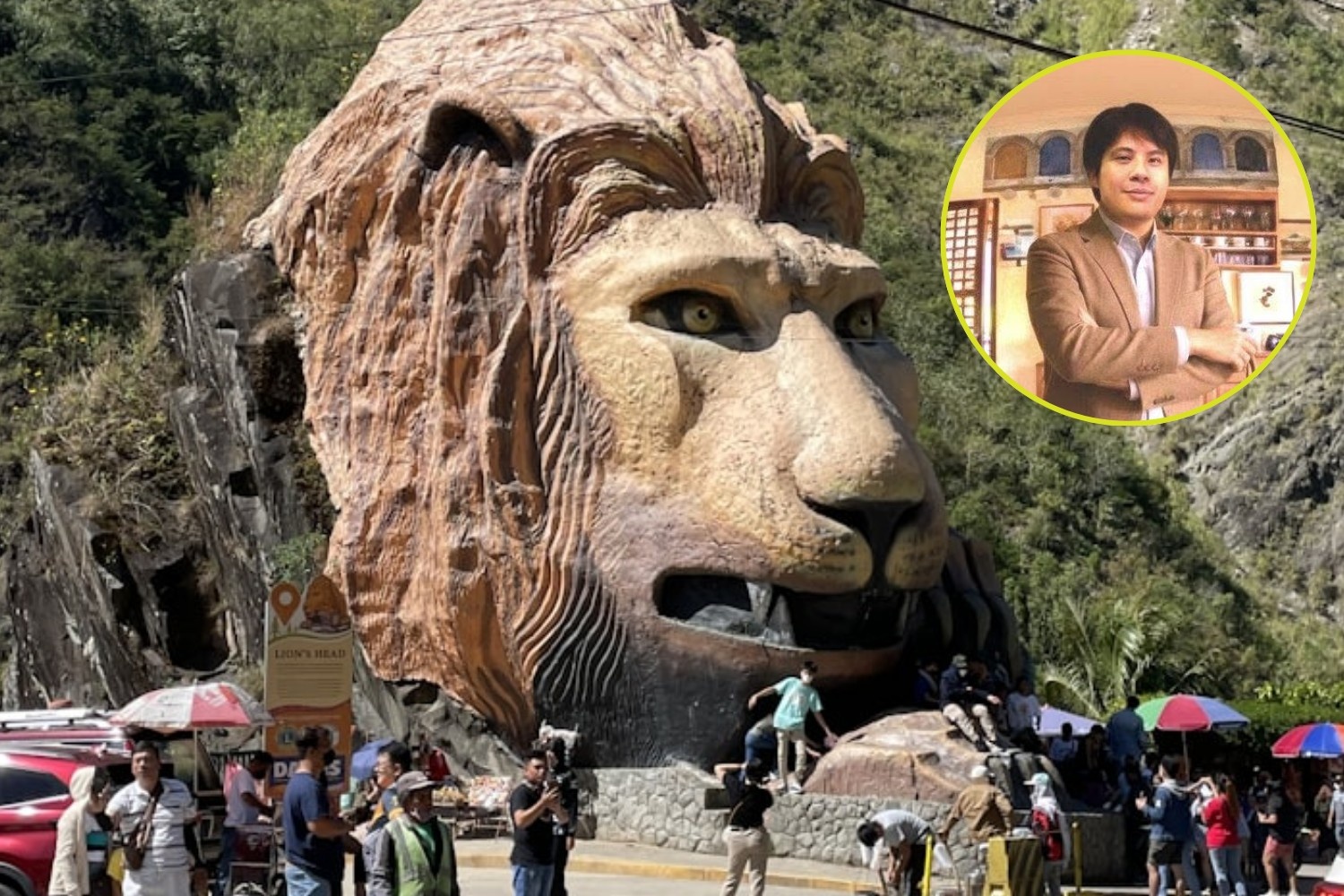
Roberto Villarcabral challenges the loop of tourism-dependent growth.
“How can Baguio City sustain—and even fix—itself without tourism?” This is the central question raised by Filipino journalist, filmmaker, and culinary heritage advocate Roberto Villarcabral in a viral post on The Histolinarya Collective’s Facebook page, where he challenges long-held assumptions that the mountain city’s survival depends on a steady influx of visitors.
Villarcabral—who describes himself as a resident of the city—argued that Baguio must “stand on its own two feet” instead of continuously expanding tourism at the expense of livability. His post comes as Mayor Benjamin Magalong recently placed the city under a state of calamity due to an energy crisis linked to geopolitical tensions in West Asia, which has caused tourist arrivals to drop by as much as 40 to 50 percent.
He pushed back against what he described as unhelpful narratives from both outsiders and locals. “Manileños smugly chimed in… ‘Baguio can’t thrive without tourism,’” he wrote, while some residents blamed migration for the city’s issues. “Neither comment helped. They both treat Baguio as a passive backdrop… rather than a living place.”
The state of calamity as a turning point
Instead, Villarcabral proposed a shift in thinking: from attracting more visitors to maximizing the potential of those already living in the city. “If the only answer we reach for is ‘more tourists,’ we end up stuck in a loop,” he said, pointing to recurring cycles of economic boom followed by strain on infrastructure and resources.
Among his key recommendations is leveraging Baguio’s designation as a UNESCO Creative Cities Network member for crafts and folk art. He suggested building creative hubs, workshops, and collaborative spaces that allow traditional artisans and modern creatives to innovate together—turning heritage into sustainable economic output.
Villarcabral also highlighted the city’s strong academic base, urging local government to transform education into an economic driver through startup incubators, innovation programs, and higher-value industries such as software development, data analytics, and remote professional services.
He further pointed to opportunities in precision manufacturing within the Baguio Economic Zone, circular economy initiatives rooted in indigenous values, and wellness-oriented industries that align with the city’s cooler climate and slower pace of life.
While emphasizing that tourism will remain part of the city’s economy, Villarcabral argued it should no longer define it. “Tourism will remain part of the picture… but it becomes one stream among several, not the one that determines everything else,” he wrote.
Framing the current downturn as a turning point rather than a setback, he said the situation offers “a chance for the city to breathe” and rethink its long-term direction—ending with a pointed call for leadership willing to embrace change: “All it just needs is one leader who has an open mind.”
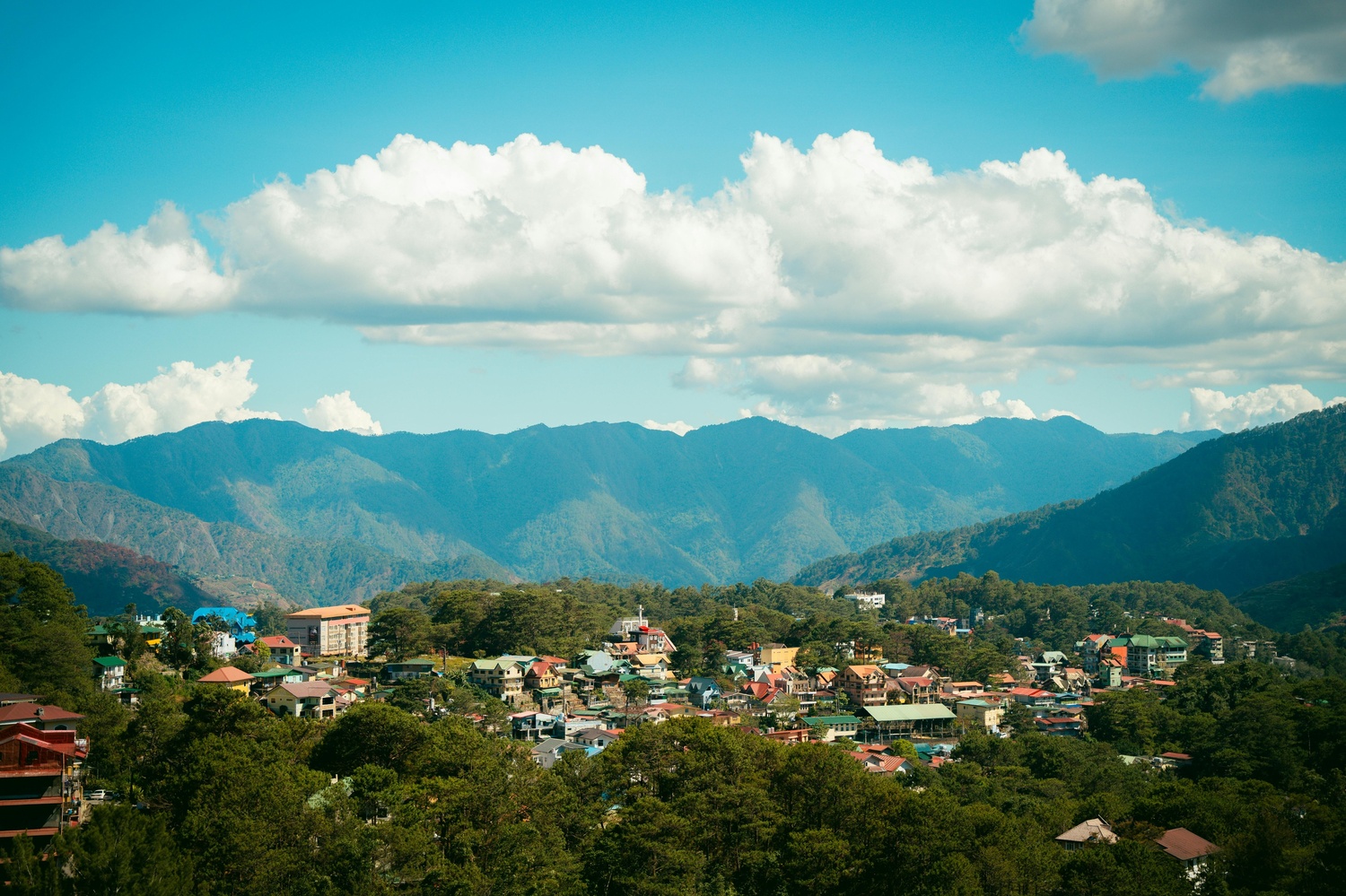
A quiet afternoon view of the Baguio City skyline nestled against the Cordillera mountain range. Rather than serving as a “passive backdrop” for visitors, the city is being urged to leverage its UNESCO Creative City status to foster sustainable, resident-led industries in the arts, technology, and precision manufacturing. Photo from Pexels
Supporting Baguio today
If you are visiting Baguio during this state of calamity or want to support it from afar:
- Buy the ‘Creative’ City: Look for products from UNESCO-accredited local artisans. These purchases support the “Creative Hubs” Villarcabral advocates for.
- Respect the ‘Breathe’ Period: If you do visit, be mindful of the energy crisis. Conserve power and water to alleviate the strain on the residents who call the city home year-round.
- Digital Support: Follow the Histolinarya Collective to stay updated on how Baguio is reinventing its culinary and cultural heritage.
Pro tip: If you’re a digital nomad, look for Baguio-based co-working spaces that cater to the “Innovation Programs” being proposed—it’s a great way to contribute to the city’s self-sufficiency. Is Baguio ready for its “Post-Tourism” era?
‘Baguio can’t thrive without tourism.’ Heritage advocate Roberto Villarcabral calls out this ‘smug’ narrative, arguing that the city’s state of calamity is the perfect time to pivot toward being a UNESCO Creative City and a tech hub. Discover the plan to fix Baguio from within.