The shrinking negotiation
The union said Kowloon originally owes them ₱108 in additional daily wages due to failure to comply with previous government wage orders. After negotiations, workers were forced to bring this down to ₱55, then ₱35, and to today’s ₱25.
Even then, they say, the company has held firm on a counteroffer of just ₱13.
A pattern of stagnation
A Bulatlat report also noted that long-time workers, some employed for over 15 years, did not receive meaningful wage progression but instead experienced stagnant or even reduced pay.
The situation mirrors the 2008 incident when Kowloon wrongfully terminated 73 workers for striking because management did not implement a ₱12 wage increase. Kowloon now faces a familiar test: whether to correct course or repeat the same pattern.
Kowloon is not a small player. With around 85 outlets nationwide, it has the resources and reach that place it firmly within the country’s food industry. But it is the same workers—those at the counters, kitchens, and delivery lines—who built and sustain that footprint.
When a company generates six-figure daily profits but draws the line at a minimal wage adjustment, it sends a message about how employees at the bottom are valued.
At some point, employees will not ask whether a company can afford to be more compassionate and provide better, more humane compensation.
It is a question of why it chooses not to.
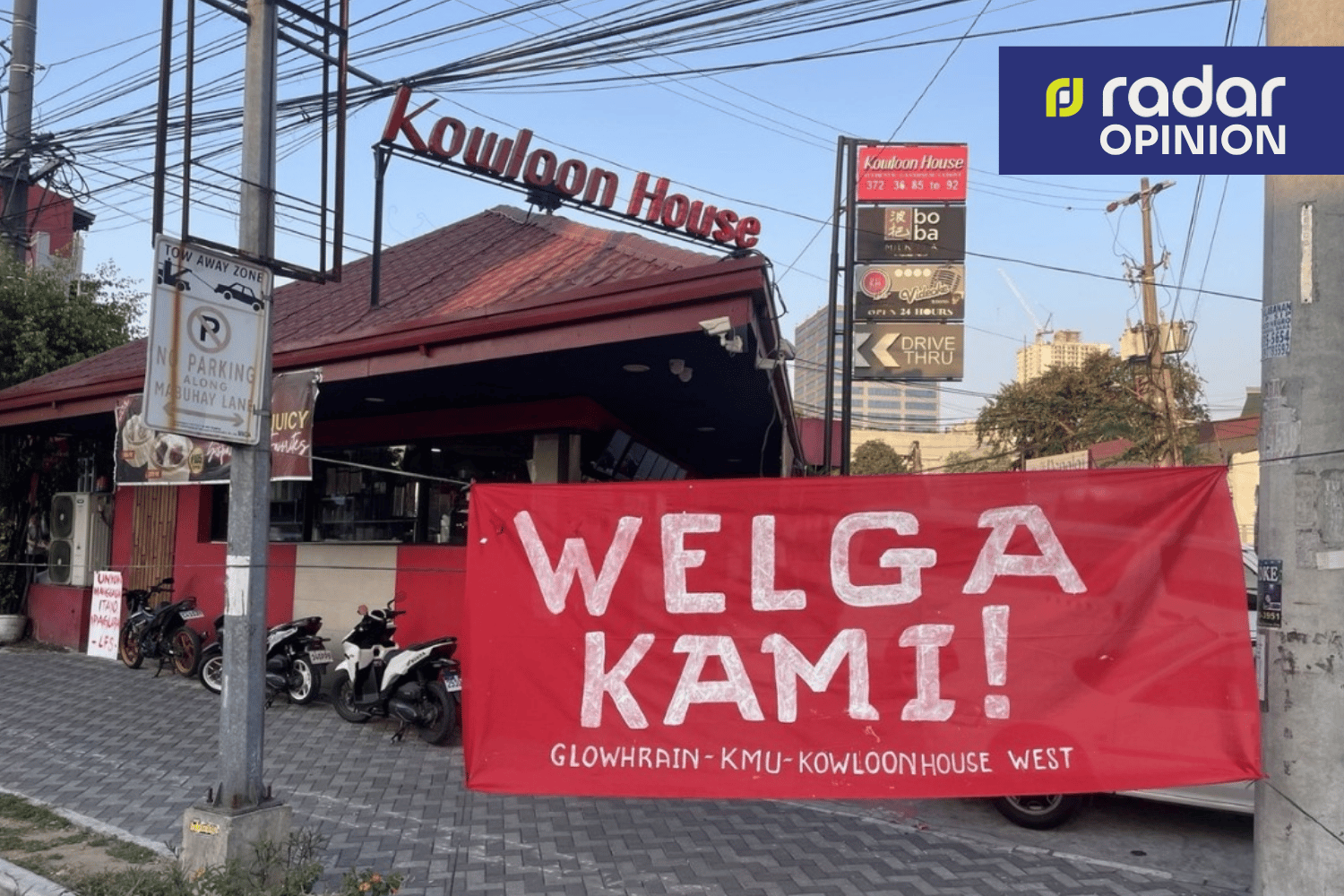
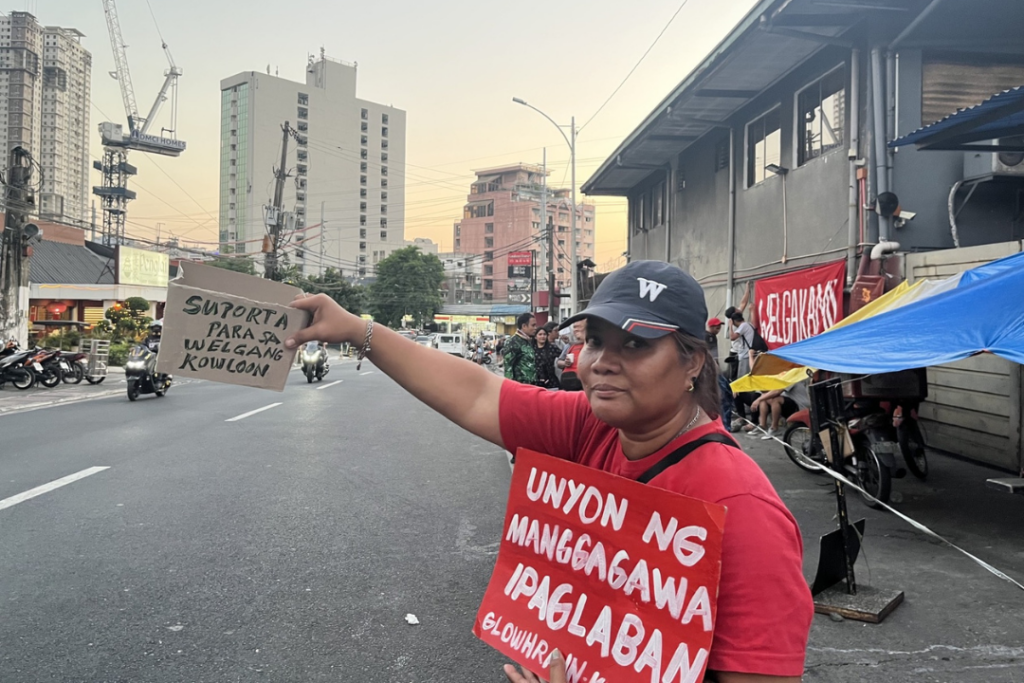
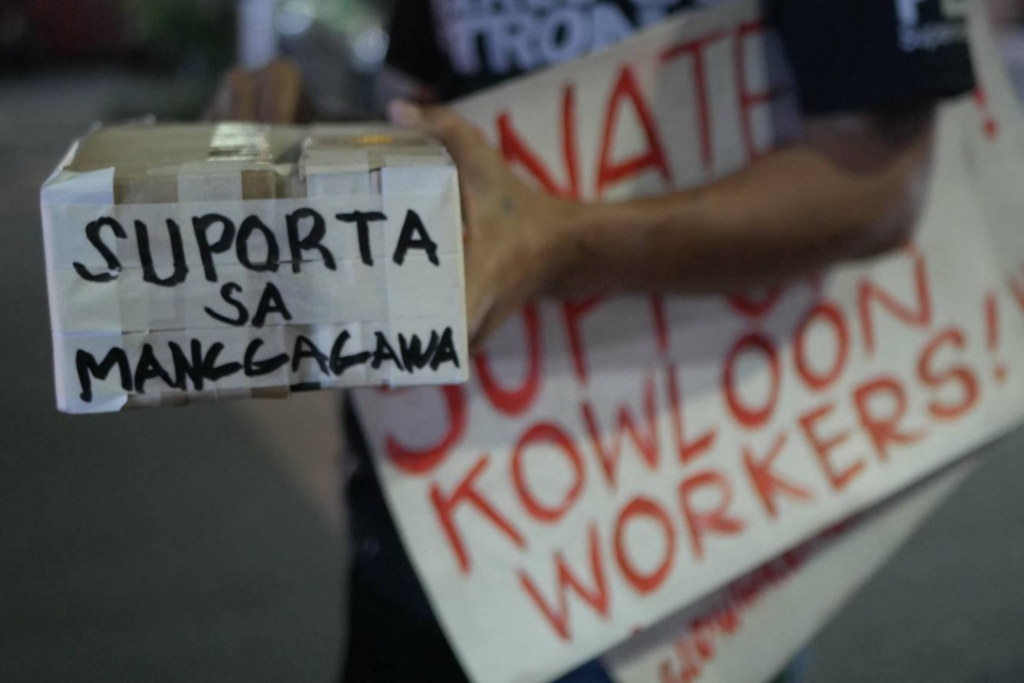
Workers at Kowloon House West Avenue are protesting the management’s failure to implement a long-overdue ₱25 wage increase, highlighting a decade-long pattern of stagnant pay despite the company’s significant daily profits.
READ: