It’s not just all about fun popping, it has its health benefits too! ✨❤️🩹
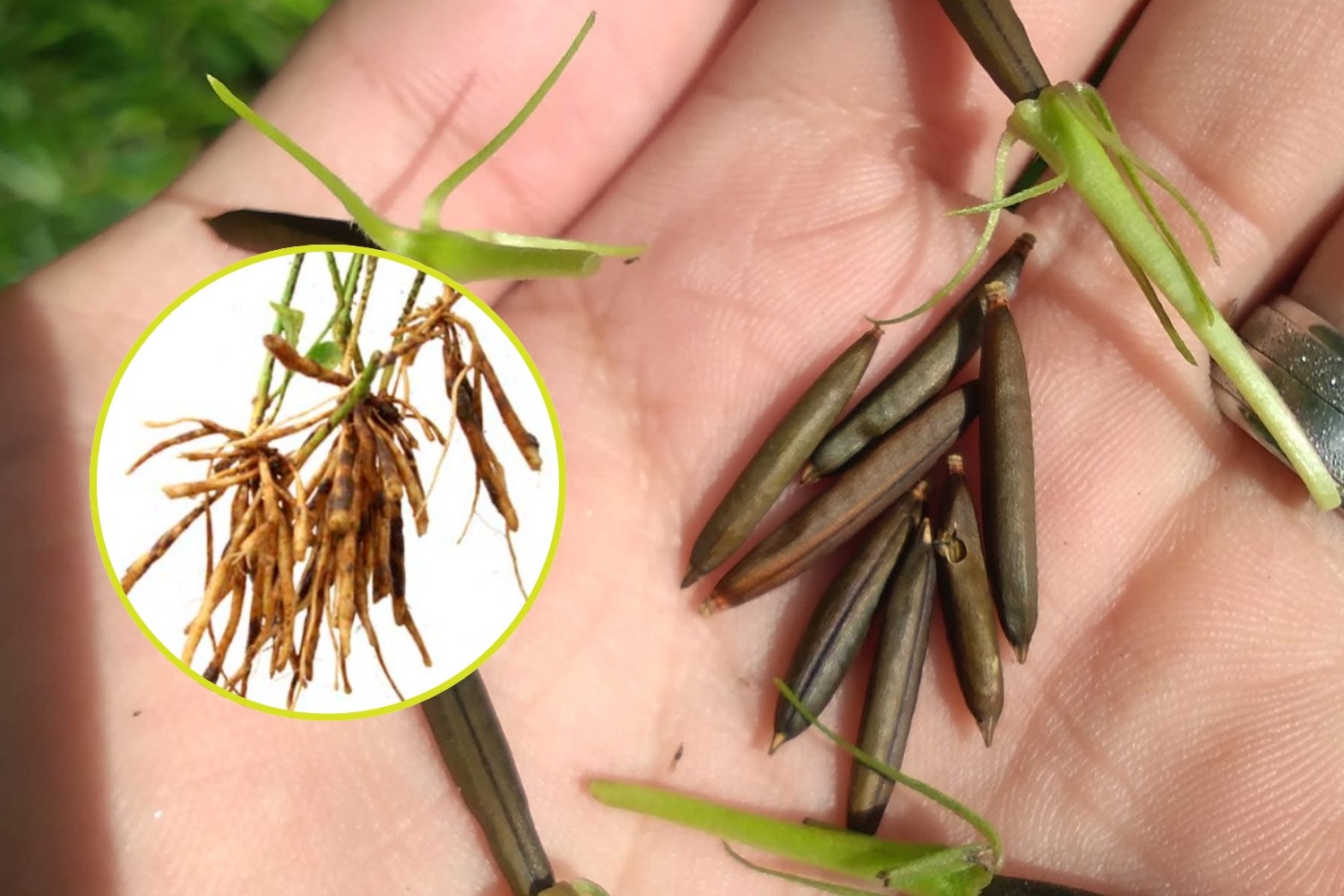
Whether you call it “Paputok” or “Organic Piccolo” it’s just a small dried pod in your backyard that pops hurtling the seeds when it gets wet. You may remember so many memories of plucking them when you were a kid without knowing its long history in traditional medicine for generations.
Ruellia Tuberosa or commonly known as ruellia or wild petunia is part of the Acanthaceae family, a low-growing perennial herb with tuberous roots with mauve funnel/bell flowers and popping pods as its fruits.
This plant is like the other beneficial wild herbs scattered in the backyard. Many Filipinos didn’t know that it has been used to treat health issues due to its good properties. Although there is no reported medicinal use for it here in the Philippines, studies proved that it is a versatile plant widely used in other parts of the world such as the Cayman Islands, Sri Lanka, and India for medicinal use.
In traditional medicine, the roots and leaves are the most frequently utilized parts of the Ruellia plant due to their high concentration of bioactive compounds. The tuberous roots are commonly prepared as a boiled extract to treat kidney stones, bladder ailments, and high blood pressure, while the leaves are often crushed into a thick paste or brewed into tea to alleviate fevers, bronchitis, and skin irritations. While children primarily focus on the “popping” seed pods for play, it is these potent extracts from the roots and leaves that provide the plant’s significant antioxidant, anti-diabetic, and anti-inflammatory benefits that research supports.
Hidden benefits of paputok
What’s even surprising is that it has potential anti-carcinogenic and anti-parkinsonian properties. Research indicates that its extracts can inhibit growth of specific cancer cell lines such as liver and breast cancer by inducing programmed cell death and arresting the cell cycle of malignant cells. Furthermore, its potent neuroprotective antioxidants help combat the oxidative stress linked to Parkinson’s disease that offers a potential natural shield for the brain’s neurons against degeneration. These findings suggest that the humble “paputok” plant, once viewed as a mere backyard weed, could play a vital role in the future development of treatments for some of the world’s most complex chronic conditions.
Little did we know that the plants we scattered about as children are more than just toys, they are natural remedies. It’s a reminder that what we need is often easily accessible, it’s just that it remains hidden without the right knowledge.