Avoid the dangerous case of mistaken botalnical identity by distinguishing the toxic lantana camara from the nutritious paederia foetida.
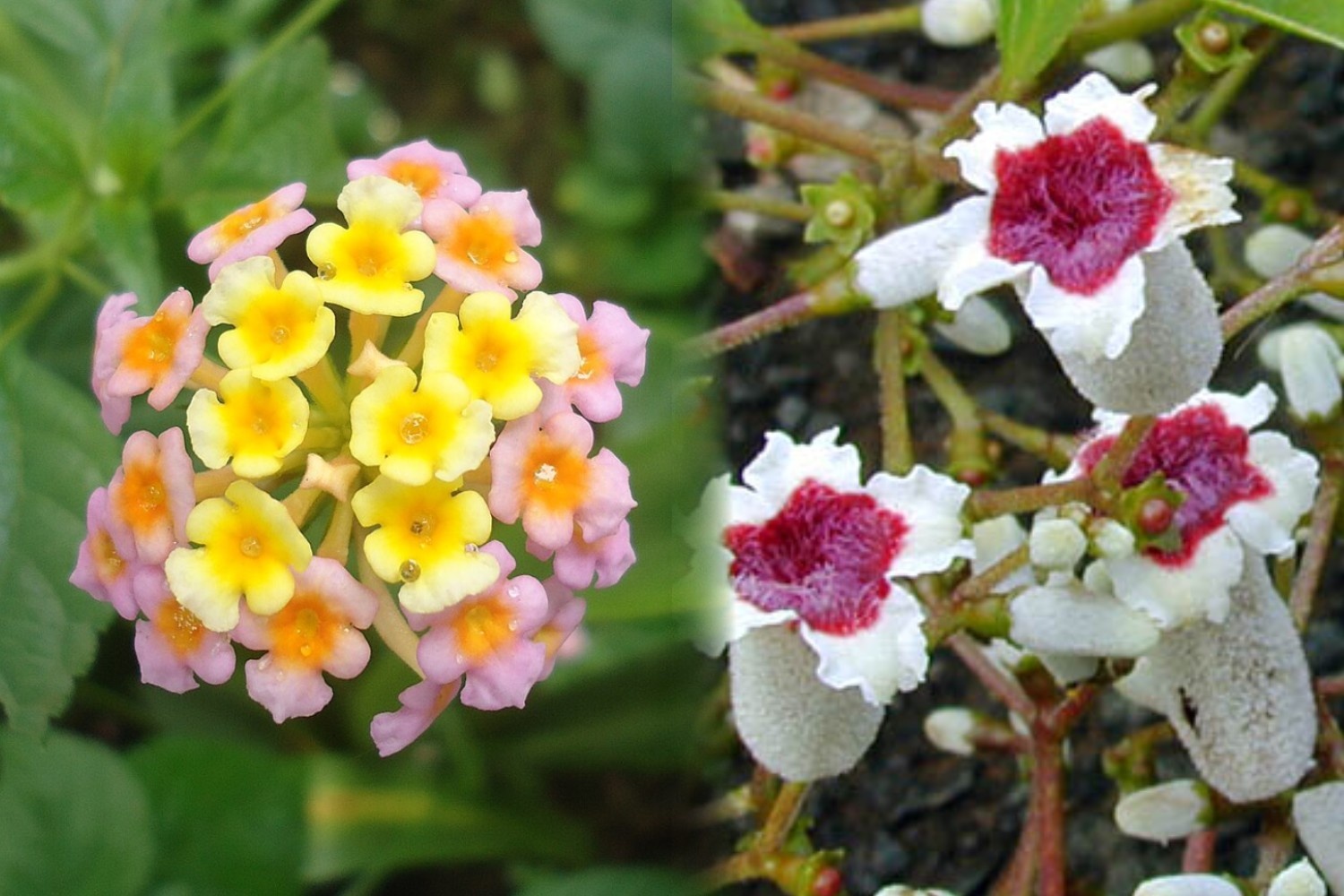
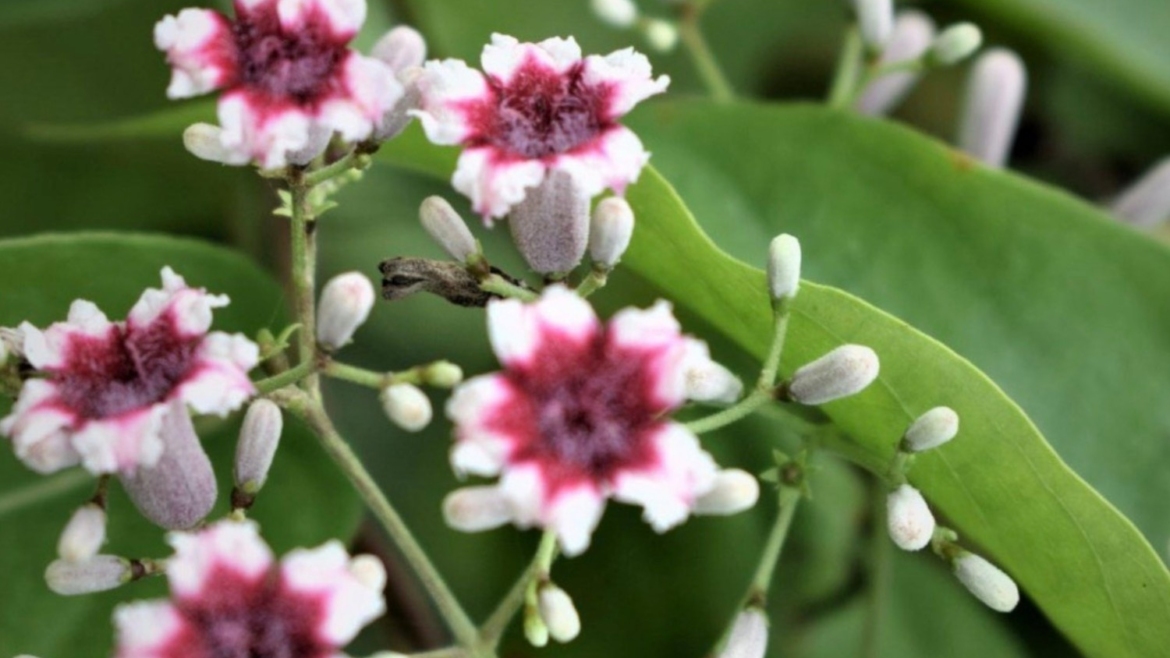
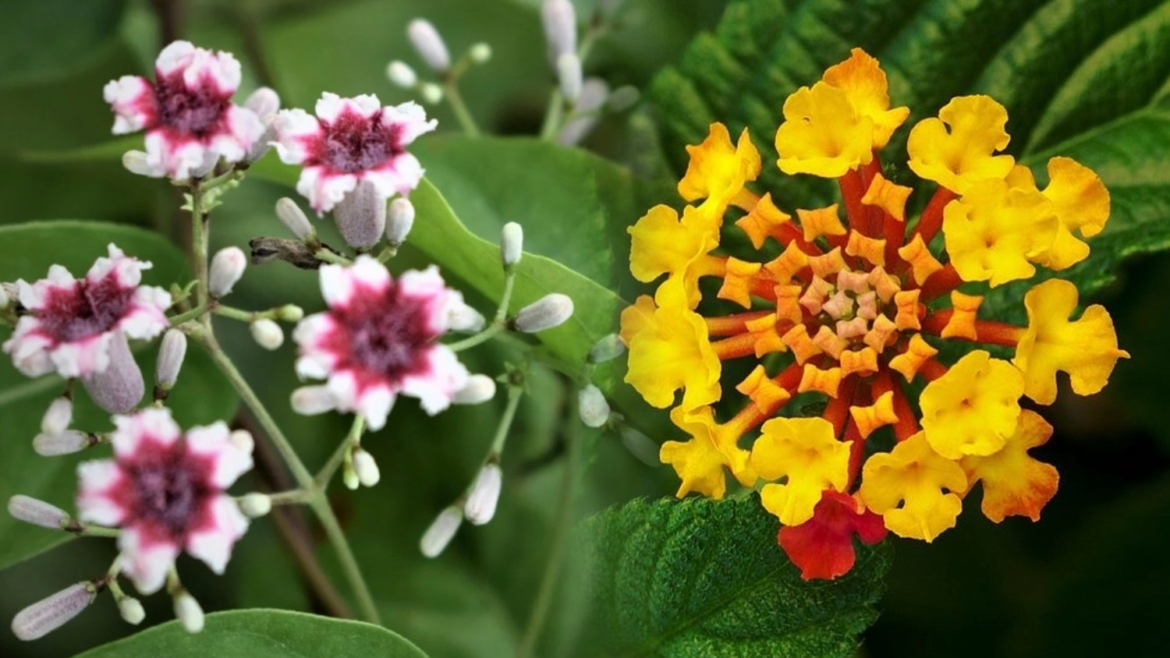
When radar amplified a UP Los Baños Makiling Botanic Gardens post about kantutan (Paederia foetida L.), some quarters mistakenly claimed it’s the same as kantutay (Lantana camara). Some even claimed it’s the latter all along. To set the record straight, these two plants are very, very different
But let’s focus on kantutay now. Unlike kantutan, kantutay is poisonous. According to Australia’s Queensland Poisons Information Center website, its flowers—red, pink, white, yellow, or orange—signal varying toxicity. The website warns it can be “extremely toxic,” “potentially toxic,” “irritant to skin or eyes,” and “respiratory irritant.”
Its unripe green fruits, flowers, and leaves can cause vomiting, diarrhea, difficulty breathing, and liver failure. Leaf contact may trigger skin rash. The center warns: “Seek urgent medical attention if any part is ingested.”
That said, kantutay berries can be eaten IF they’re ripe—indicated by their dark purple-blue color. The San Diego-based Specialty Produce notes they’re sweet and slightly tart, somehow reminiscent of currants and cherries. They can be simmered into jams, jellies, and other preserves, if not mixed with different fruits for pies and baked goods. Extracts from the leaves and flowers, meanwhile, have medicinal properties, used to treat cough, fever, and skin conditions.
Kantutay may also be good for the environment. A November 2018 study in the Mindanao Journal of Science and Technology found it can be used as an organic pesticide. A 2015 study in the Journal of Hazardous Materials found it can work as a plant-friendly organic fertilizer.
As for kantutan, it’s a powerhouse of health benefits and culinary versatility.
Here’s a simple cheat sheet: Kantutay = dangerous and poisonous. Kantutan = healthy and yummy.
So, there. Kantutay’s “Y” and kantutan’s “N” are not the same, just like “yes” and “no.” One letter is the difference between night and day, between “I wish you were here” and “I wish you were her.”