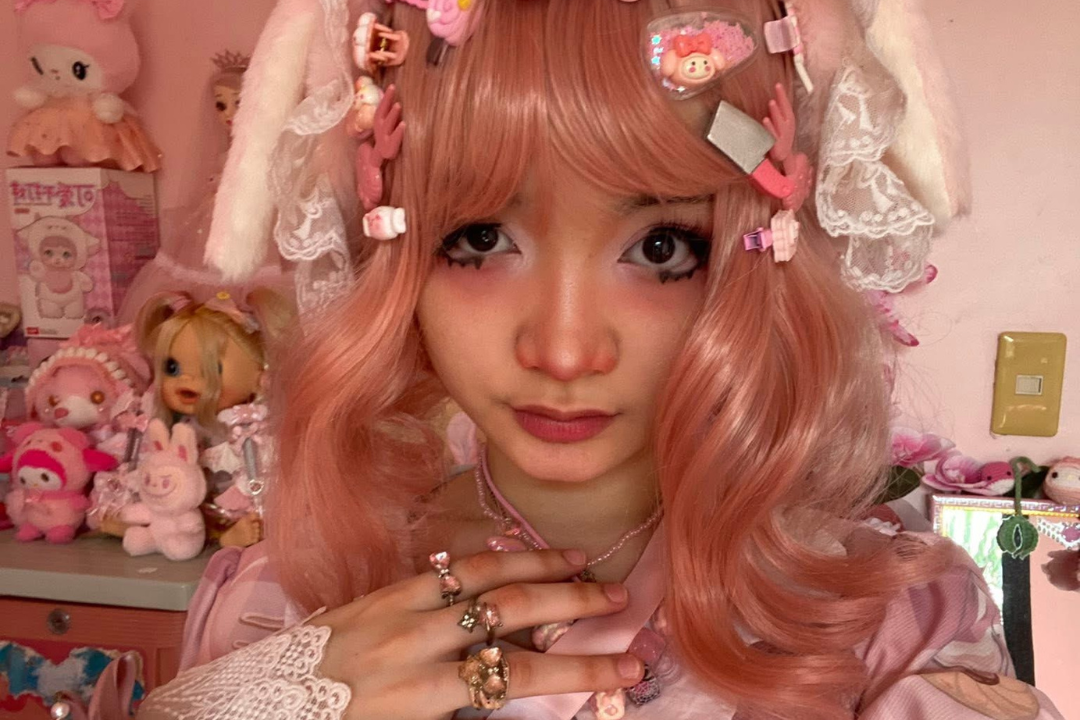
A pink-clad busker turned dark pop storyteller, Jamiela Dacome turns discomfort into something you can’t look away from.
“Anong pangalan ko?”
Jamiela.
The name lands like a warning before it becomes a person. For many, she is introduced not as an artist, but as a feeling—something eerie, something unsettling. A figure in pink, doll-like and soft-spoken, yet somehow capable of making people uneasy without raising her voice.
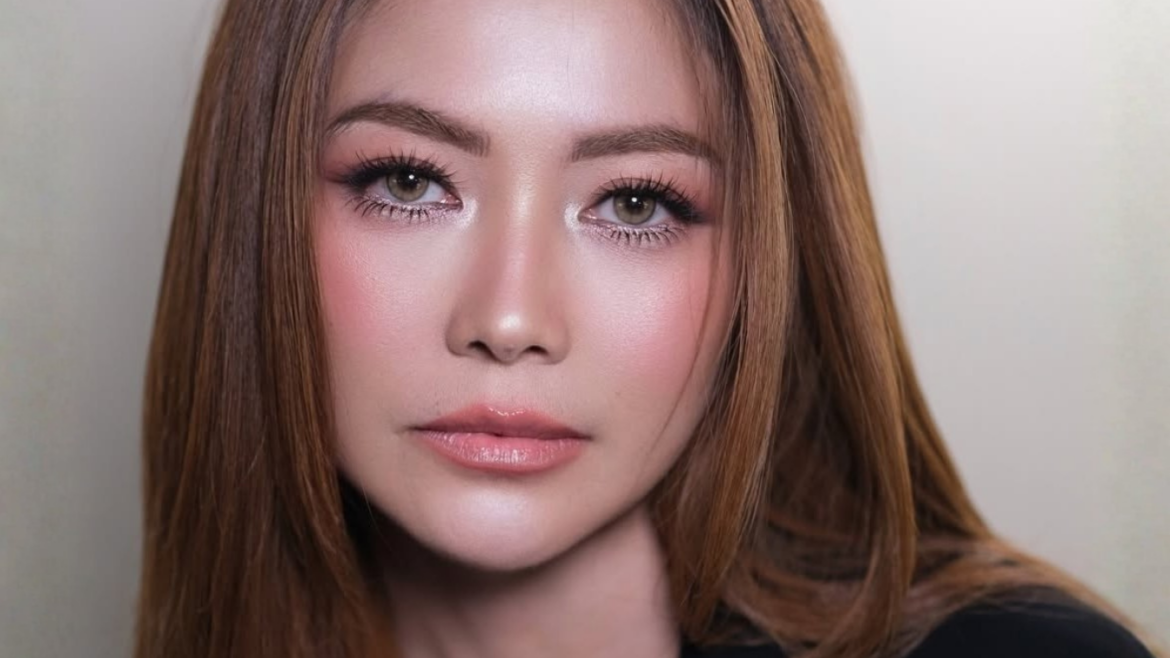
Jamiela Dacome, known as the “Pink Dolly Busker,” doesn’t rely on spectacle alone. Yes, there’s the visual: the delicate, almost porcelain styling, the “kikay” outfits, the tiny voice that feels too controlled to be accidental. But the discomfort doesn’t come from how she looks, it lingers because of what she makes you feel.
She doesn’t just perform. She haunts.
From sidewalks songs to ‘Kahon’
Before the aesthetic, before the growing audience, there was a girl too shy to even face a crowd.
“I started as a shy busker. Super takot ako sa people,” she admits. “Pinush lang talaga ako ng mga friends ko kasi may nakikita daw silang potential sa ‘kin.”
Busking became both exposure and trial. It forced her into visibility, but not without consequence. Being seen meant being judged—misunderstood, even.
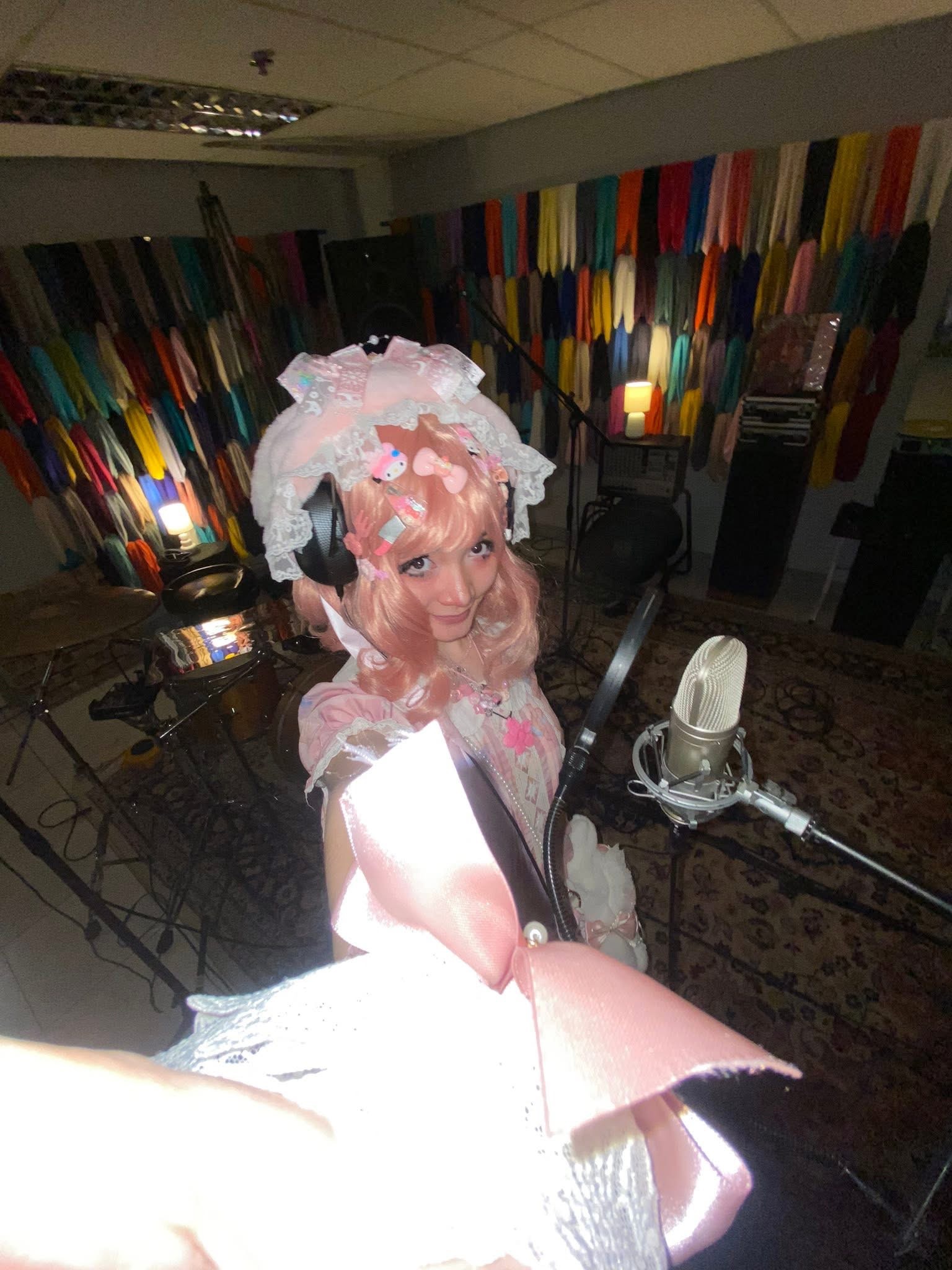
“As a softie, mapapatanong ka nalang talaga kung may naniniwala ba sa art na nilalabas ko,” she told radar Entertainment in an interview.
In September 2023, she stepped away from the streets and into the digital space, releasing her first original track, “Kahon.” A song about academic pressure and emotional suffocation, it struck something raw among young Filipino listeners. It wasn’t polished comfort—it was familiar confinement.
People listened. And more importantly, they recognized themselves.
The art of discomfort
Jamiela’s world is built on contradictions. Tenderness wrapped in unease. Innocence tinged with something darker.
She admits her fascination with dolls isn’t just aesthetic—it’s foundational.
“Everything is a source of inspiration. Like the way I dress up, it’s inspired by my doll collection. And in my music, visuals, every form of art I create. They’re all connected.”
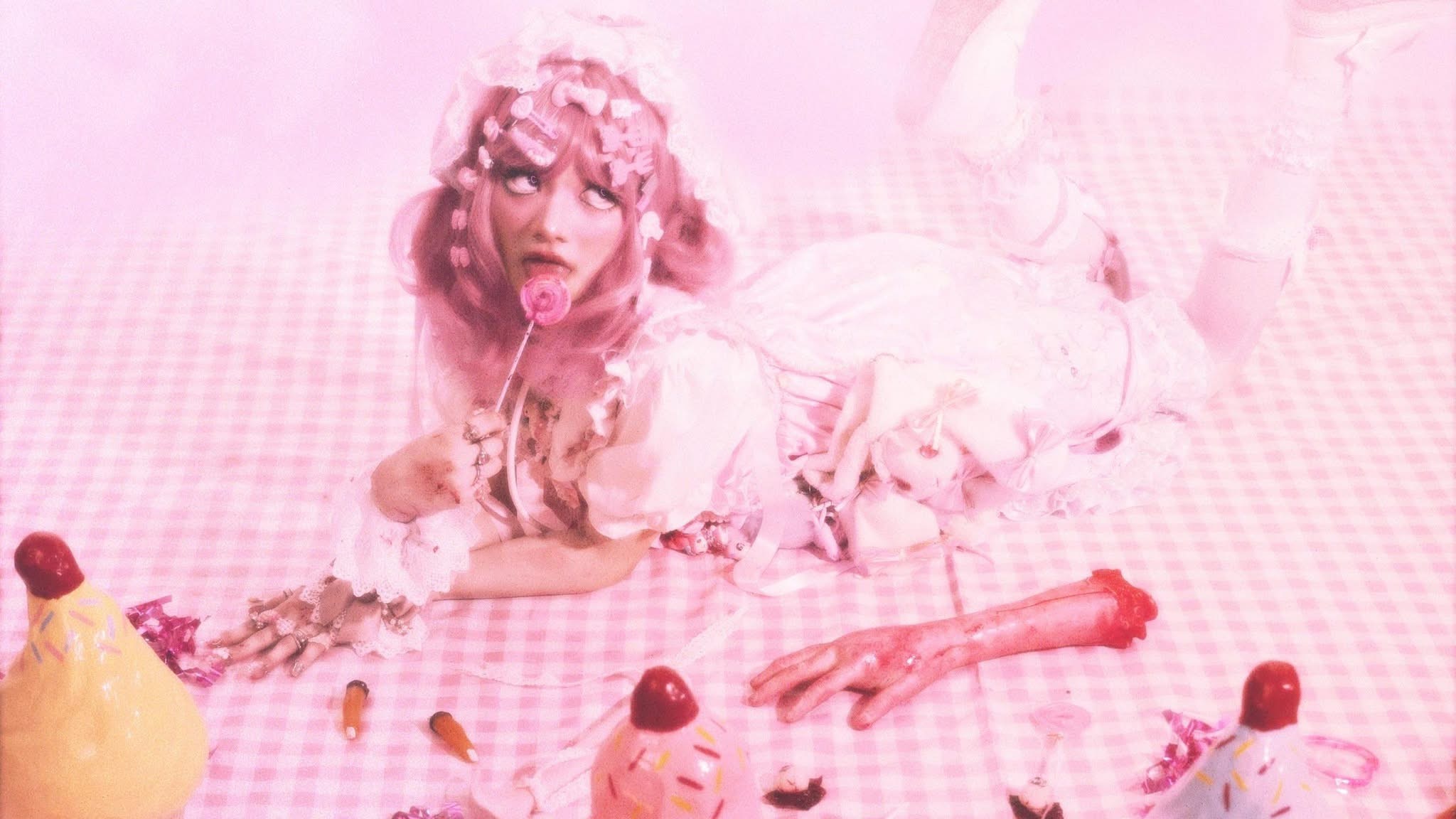
Her music—often described as pop, alternative pop, even dark pop—leans into that connection. It bends softness into something uncanny, like a lullaby echoing through an empty house. Listening to her feels like being followed by a ghost that doesn’t want to harm you, but refuses to leave.
There’s no rush to comfort the listener. No easy resolution. Healing, in her work, is not warm or gentle, it’s exposed, awkward, and sometimes unsettling.
And yet, that’s exactly why it resonates.
And she’s still haunting her voice
Now, nearly three years since “Kahon,” Jamiela continues to grow into her artistry with Polyeast Records. Her track “Bendahe” has become her strongest work yet, pulling in close to 300,000 streams on Spotify and showing a voice that can stretch beyond whispers.
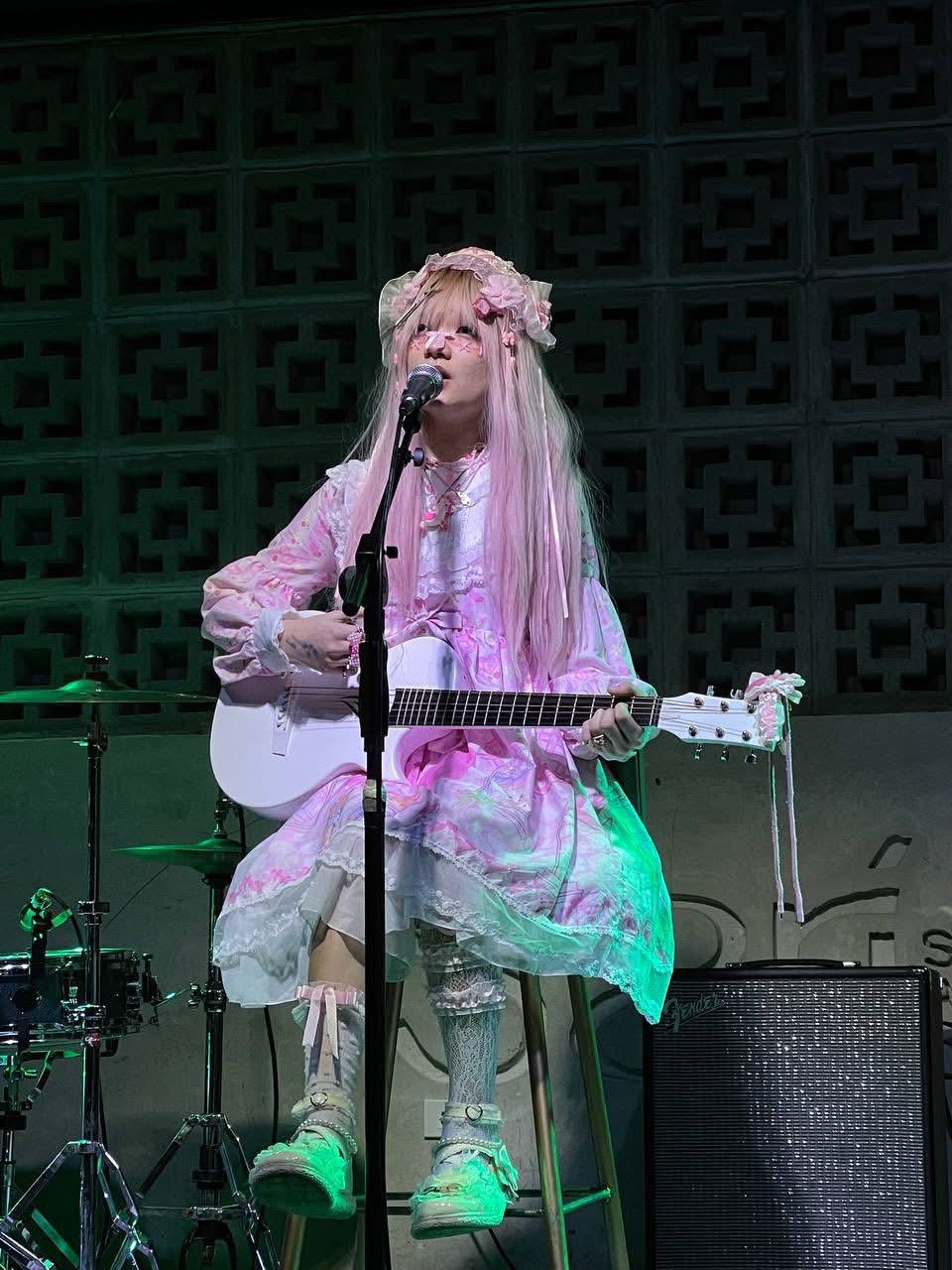
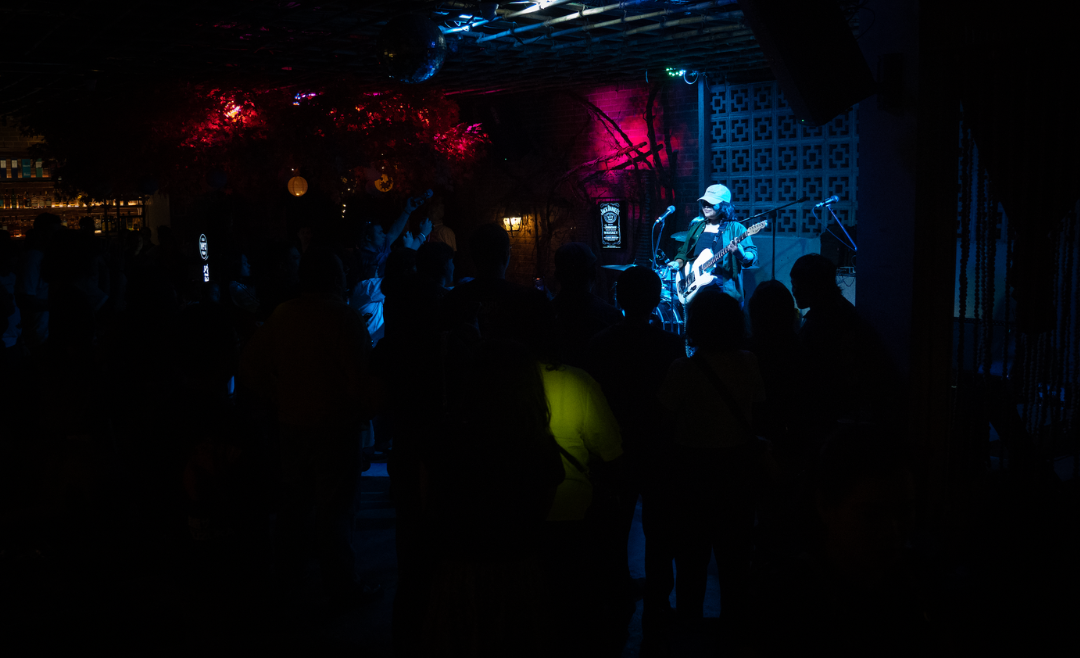
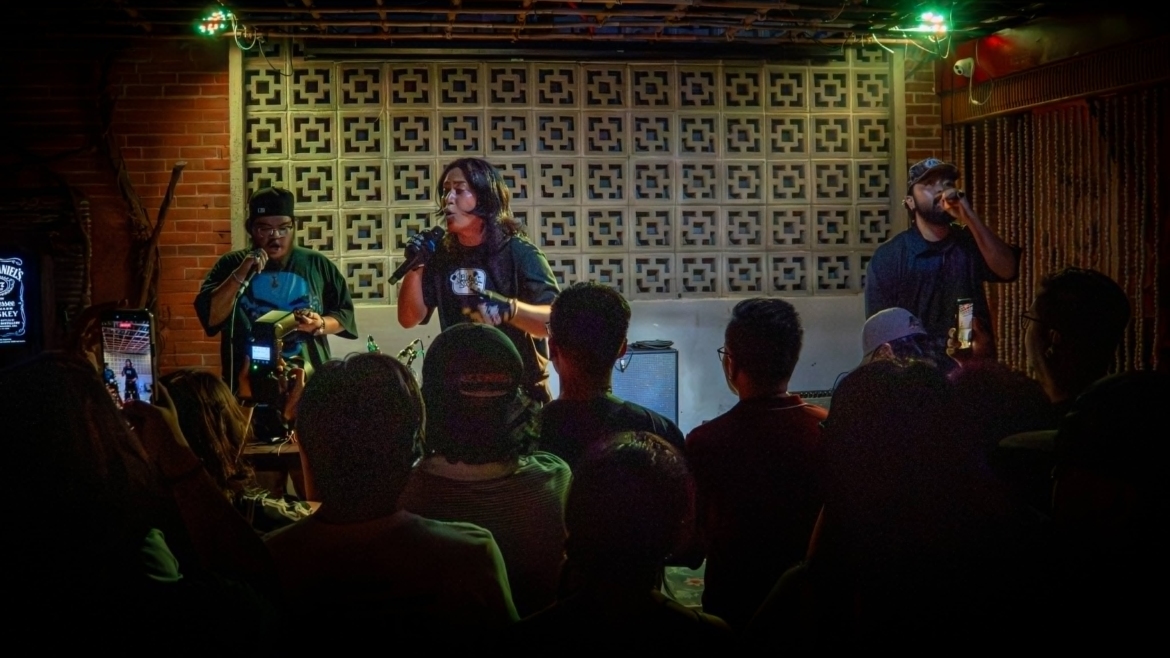
From busking in malls to performing at gigs and concerts, the stages have gotten bigger—but the challenge hasn’t disappeared.
Live performances still test her. The fear hasn’t fully left. But something else has taken its place.
“Kahit pa hindi lahat naniniwala, kaya ko pa rin pala… miski pa minsan nawawalan ako ng direction.”
And maybe that’s the real answer to the question.
Who is Jamiela?
She is the discomfort you don’t skip. The softness that refuses to stay quiet. The story that feels like yours, even when it unsettles you.
She is not here to make you feel safe.
She is here to make you feel seen.
I started as a shy busker, super takot ako sa people. Pinush lang talaga ako ng mga friends ko kasi may nakikita daw silang potential sa ‘kin.
Jamiela Dacome