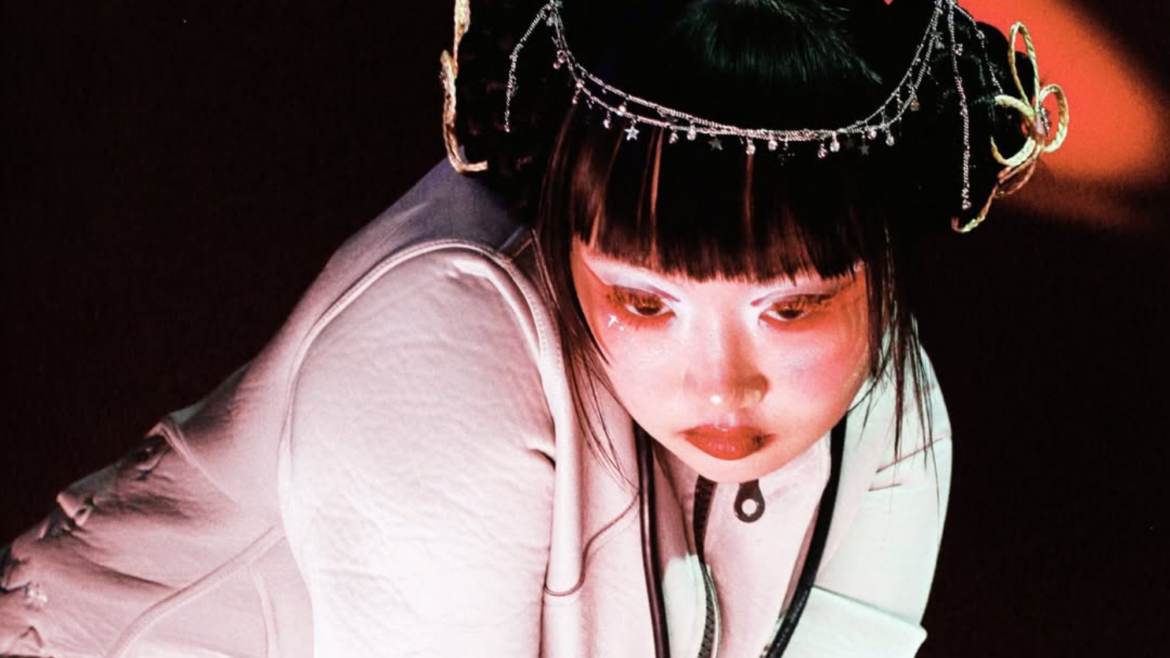
From a quiet Cebu project to a rising indie act, the band’s nostalgia-driven sound and patient evolution signal a breakthrough built on timing, storytelling, and staying true to their roots.
“It’s good to be back, to continue doing things that we love.”
The line doesn’t arrive like a declaration. It settles—quiet, steady, like something that’s been waiting to be said for years.
Because nearly a decade ago, in a corner of Cebu’s music scene, School Girl Classic wasn’t supposed to last this long.
Yet they even performed in the “All of the Noise 2026.”
Where ‘Hana’ began
It started the way most coming-of-age stories do: uncertain, a little accidental, and held together by feeling more than direction. Karina Cuizon, Ian Intong, Siamese Rat, and producer Karl Lucente found themselves creating something that didn’t quite fit anywhere else. No grand plan. No blueprint. Just songs—written in between pauses, in between growing up.
And somewhere in those early days, Hana was born.
Not as a gimmick, not as a concept to market, but as a voice. A character who could hold everything they didn’t know how to say yet.

Through her, School Girl Classic began telling stories of longing, confusion, and the quiet ache of becoming. The kind of emotions that don’t announce themselves, but stay with you long after.
Years pass differently for bands like them.
There are no dramatic leaps, no overnight reinventions. Just time moving forward—sometimes loudly, sometimes not at all. At one point, School Girl Classic went still. The music paused, the stages disappeared, and what was once growing seemed to fold into silence.
But silence, it turns out, isn’t always an ending.
The sound of growing up, still
Because when you return to a song like “Haven’t Got You” or “Suzanne,” nothing feels dated. No urgency to catch up, no need to modernize. The melodies still breathe the same way. The words still land where they’re supposed to. And you realize—some things don’t age the way others do.
They settle into you instead.
Maybe that’s what makes School Girl Classic different. In a landscape where music often feels engineered to keep up, crafted for algorithms, polished for immediacy, they chose to remain rooted in something slower. Something human.
Lucente’s arrangements don’t overwhelm; they cradle the story. Siamese Rat’s drums don’t demand attention; they guide it. Intong’s basslines walk you through each moment, steady and sure. And at the center of it all is Cuizon—never forcing emotion, just letting it exist, raw and unguarded.
Together, they don’t just create songs. They build spaces.

Spaces where growing up isn’t rushed. Where feelings aren’t simplified. Where a character like Hana can exist not as fiction, but as reflection, of who they were, who they are, and maybe even who’s listening.
And now, standing onstage again, saying it’s good to be back, it doesn’t feel like a return to where they left off. It feels like they’ve finally caught up to themselves.
In front of them, a Manila crowd that didn’t just watch—but sang, hummed, and held every note like it belonged to them too. The kind of reception that doesn’t just welcome you back, but reminds you why you stayed.
Because coming of age doesn’t end when the music stops. It lingers. It reshapes. It waits.
And sometimes, if you’re patient enough, it brings you right back to where you started—only this time, you understand it better.
Lucente’s arrangements don’t overwhelm; they cradle the story. Siamese Rat’s drums don’t demand attention; they guide it. Intong’s basslines walk you through each moment, steady and sure. And at the center of it all is Cuizon—never forcing emotion, just letting it exist, raw and unguarded.