The sticky hands and slow pace of eating atis mirror the quiet, fading rhythms of a provincial childhood.
Some fruits are easy to love. Others, you learn to love the hard way. Atis has long been that kind of fruit for many Filipino kids—the one that sits quietly in the corner of the kitchen, waiting to see who has the patience to deal with it.
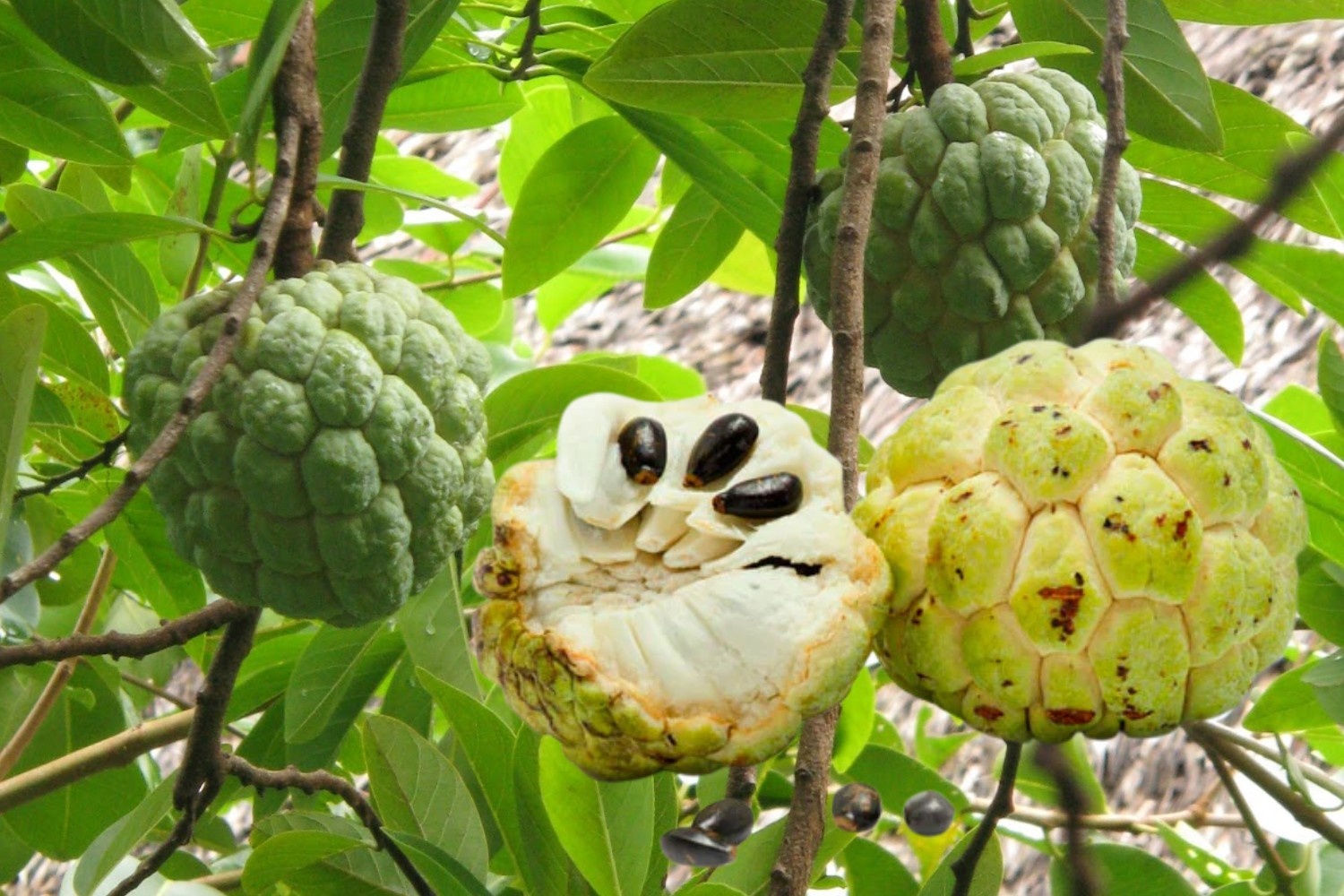
For a typical child growing up in the province, the experience is familiar. An atis is handed over, often freshly picked from a backyard tree. No knife, no plate—just a casual instruction: buksan mo lang. The fruit cracks open to reveal its neat, segmented flesh, beautiful at first glance, until the work begins. Each bite comes with a warning—’wag mong nguyain ang buto. So the rhythm is learned early: suck the flesh, spit the seed, repeat. It’s messy, slow, and for some, not worth the trouble.
That’s where the divide begins.
There are those who give up halfway, frustrated by how little flesh each segment offers. And then there are those who stay, drawn in by the reward. Because beneath the inconvenience is a flavor that feels almost indulgent—soft, creamy, and intensely sweet, like a custard made by nature itself. The kind of sweetness that makes sticky fingers and a pile of discarded seeds feel like part of the experience.
That’s the paradox of atis: so little flesh, yet so much satisfaction.
It is also a fruit deeply tied to a certain kind of Filipino childhood. Atis trees once grew easily in backyards, beside fences, near kitchens—so common they were almost taken for granted. Children would check on them daily, waiting for the telltale sign of ripeness when the segments begin to loosen. Sometimes they would race siblings or cousins to pick the best ones, or learn the hard way what happens when you open one too early.
Today, that quiet familiarity is fading. Backyards are disappearing, replaced by concrete and tighter living spaces, and fruit trees like atis are slowly being left behind. What used to be freely picked is now occasionally bought, stripped of the ritual that once made it special.
Perhaps that’s why atis remains so divisive. To love it is to embrace the effort, the patience, and the memory of simpler days. To hate it is to reject the inconvenience altogether.
Either way, atis doesn’t try to please. It simply exists—seed-filled, stubborn, and quietly rewarding for those willing to take their time.
Beneath the inconvenience is a flavor that feels almost indulgent—soft, creamy, and intensely sweet, like a custard made by nature itself. The kind of sweetness that makes sticky fingers and a pile of discarded seeds feel like part of the experience.
READ: