Rediscovering the local superfood hiding in plain sight.
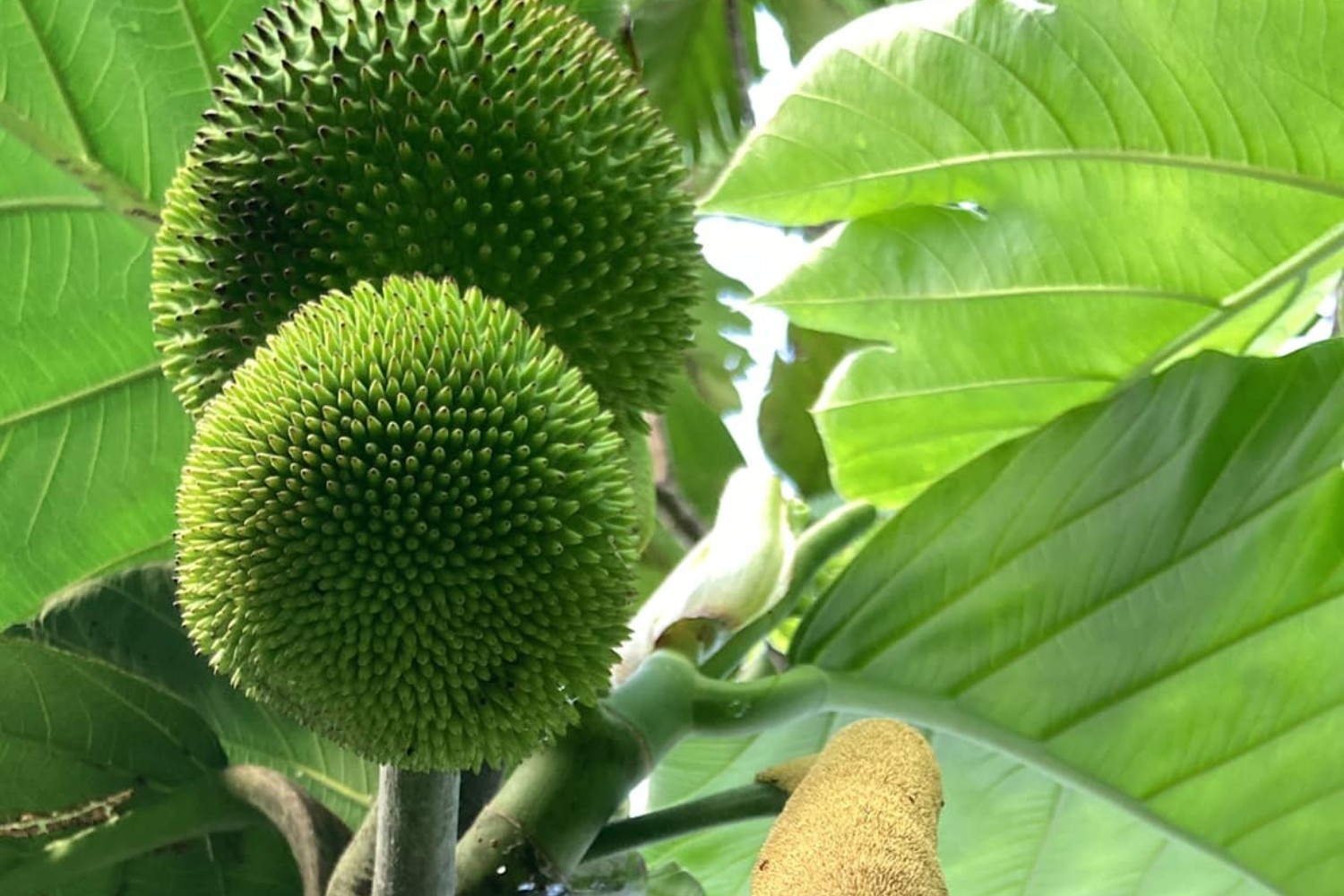
You’ve probably walked past it without a second look—hanging from a backyard tree, piled in a palengke stall, or simmering quietly in a pot of ginataan. Kamansi is one of those fruits many Filipinos grow up seeing but rarely thinking twice about. Yet behind its spiky green exterior is something unexpected: a nutrient-dense superfood hiding in plain sight.
At a time when wellness shelves are dominated by imported labels, more Filipinos are reaching for so-called “superfoods” like chia seeds, quinoa, kale, blueberries, goji berries, and even avocados—often sold at a premium. These ingredients are praised for their fiber, antioxidants, and heart-health benefits, but they also come with a cost, both in price and accessibility.
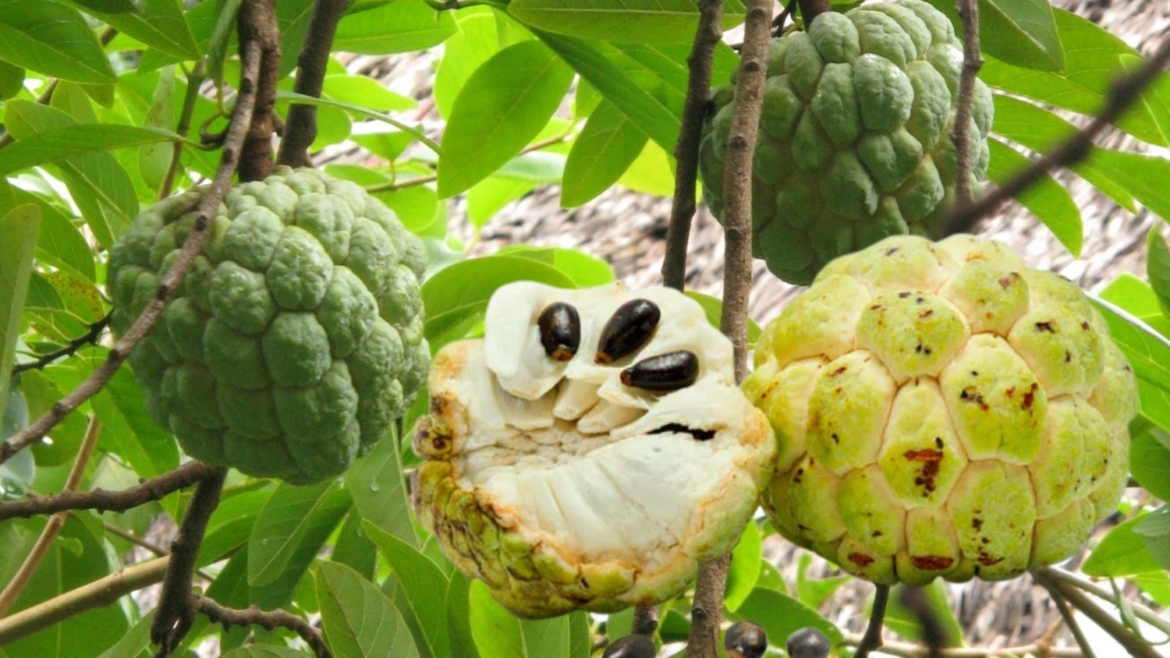
What often goes unnoticed is that a comparable option already exists locally. Known scientifically as Artocarpus camansi, kamansi may be overshadowed by its more familiar cousin, rimas, but nutritionally, it deserves equal attention.
The power of a local staple
Unlike most fruits, kamansi stands out for its high plant-based protein content, with its seeds containing up to 20 percent protein. It is also rich in essential minerals such as potassium, magnesium, calcium, and iron—key nutrients that support heart health, muscle function, and daily energy needs. It delivers Vitamin C for immune support and B-complex vitamins that help regulate metabolism.
Its benefits extend further. The fruit’s high fiber content promotes healthy digestion and helps manage blood sugar levels, while its healthy fats, including Omega-3 and Omega-6, support brain function and reduce inflammation. These are the same qualities often highlighted in imported superfoods—only this time, they come from something far more accessible.
Beyond nutrition, kamansi’s advantage lies in its familiarity. It easily fits into Filipino cooking, whether as ginataang kamansi or as boiled or roasted seeds with a nutty, chestnut-like flavor. It does not require a lifestyle change, only a shift in perspective.
In a culture increasingly drawn to imported health trends, kamansi offers a grounded reminder: good nutrition does not have to be expensive or foreign. Sometimes, the most powerful foods are the ones we have simply learned to overlook.