New study finds Ayta Magbukon carry highest known Denisovan ancestry among modern populations.
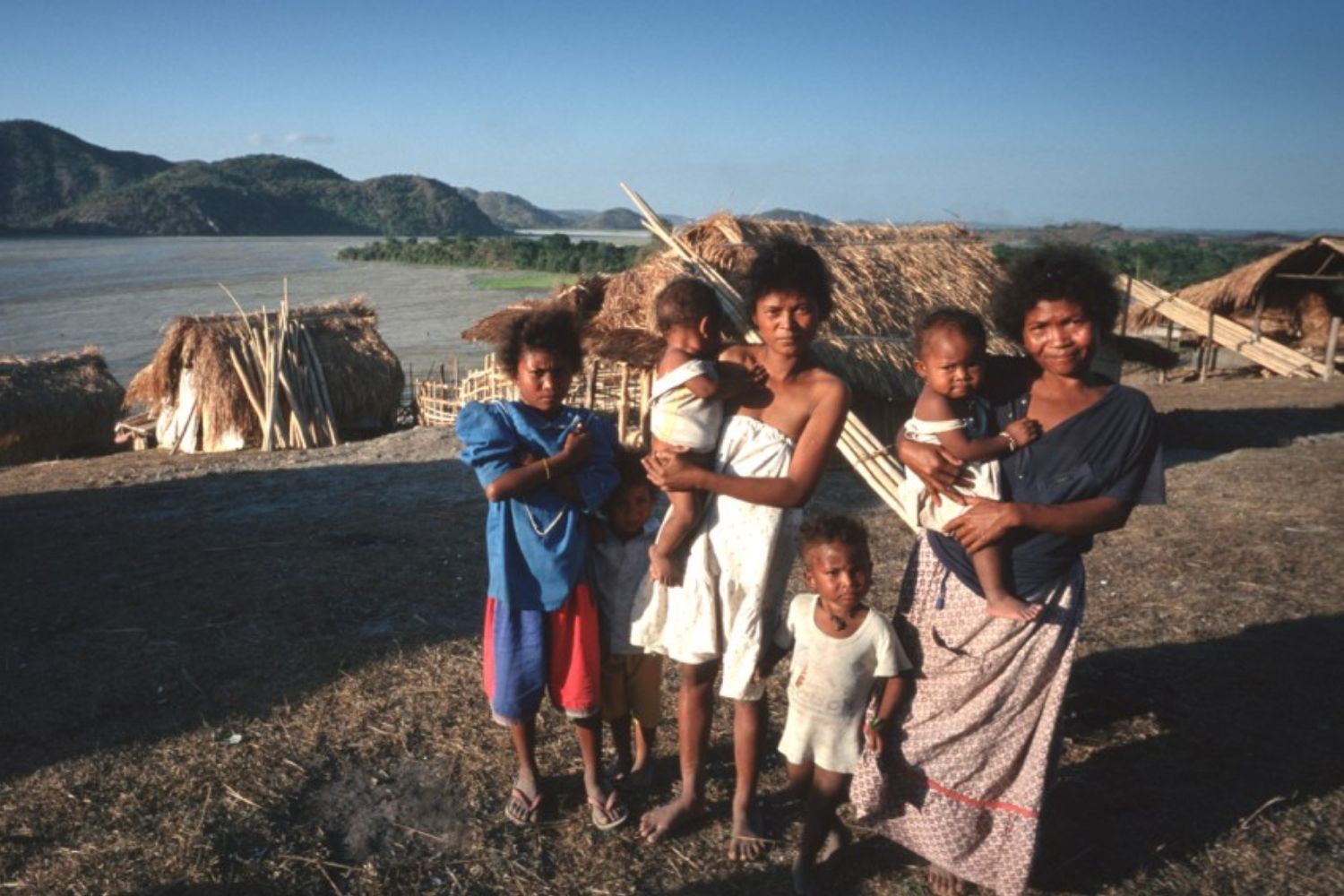
A study published in the journal Current Biology has placed the Philippines at the center of a major discovery about ancient human history after researchers found that the Ayta Magbukon people of Bataan carry the highest known level of Denisovan ancestry in the world today.
The findings point to the Philippines playing a more significant role in early human history than previously understood, suggesting that Island Southeast Asia may have been a key region where different human groups encountered and interbred over tens of thousands of years, rather than simply a migration route through the region. It also places Indigenous Filipino communities at the center of a global scientific discussion about humanity’s ancient past.
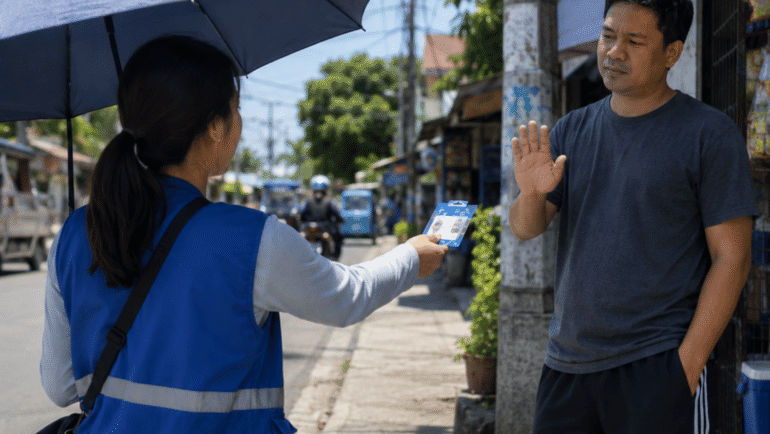
Led by geneticist Maximilian Larena, the international study analyzed around 2.3 million genetic markers from 118 ethnic groups across the Philippines, including 25 self-identified Negrito populations.
The genetic mapping of the archipelago
Researchers found that the Ayta Magbukon possess Denisovan ancestry estimated to be around 30% to 40% higher than that of Papuan and Australian populations, which had previously been considered the strongest known carriers of Denisovan DNA.
Denisovans were an extinct group of archaic humans first identified in 2010 through fossil remains discovered in Siberia’s Denisova Cave. Scientists believe they interbred with early modern humans tens of thousands of years ago, leaving traces of their DNA in populations across Asia and Oceania.
But the Philippine findings suggest a more complex story. According to the researchers, the Ayta Magbukon’s unusually high Denisovan ancestry may point to an independent interbreeding event that happened within Island Southeast Asia, rather than a single shared encounter elsewhere.
The study also linked its findings to Homo luzonensis, the extinct human species discovered in Callao Cave in Cagayan in 2007 and formally identified in 2019. Researchers suggested that multiple archaic human groups may have once lived in the Philippines before the arrival of modern humans.
History has been rewritten in Bataan. A groundbreaking study finds the Ayta Magbukon carry the world’s highest level of Denisovan ancestry, outstripping Australian and Papuan populations.