In the heart of the world’s oldest Chinatown, tucked away from the chaotic charm of Divisoria’s street markets, lies a quiet portal to the past.
The Chinatown Museum, located on the fourth floor of Lucky Chinatown Mall’s North Wing, serves as more than just a gallery; it is a love letter to the history, culture, and resilience of the Chinese-Filipino community.
While their social media presence might seem outdated—with the last major food crawl posted back in 2022—the museum itself remains a vibrant, physical repository of stories waiting to be rediscovered by those who wander past the mall’s modern storefronts.
A grand welcome
The journey begins before you even step inside. The escalator to the fourth floor bears street-style signage pointing upward to the “Chinatown Museum.” Above, paper lanterns are meticulously arranged to look like a soaring dragon—a remnant of the mall’s 2015 achievement for the Guinness World Record for the Largest Display of Origami Lanterns (nearly 20,000 lanterns of hope!).
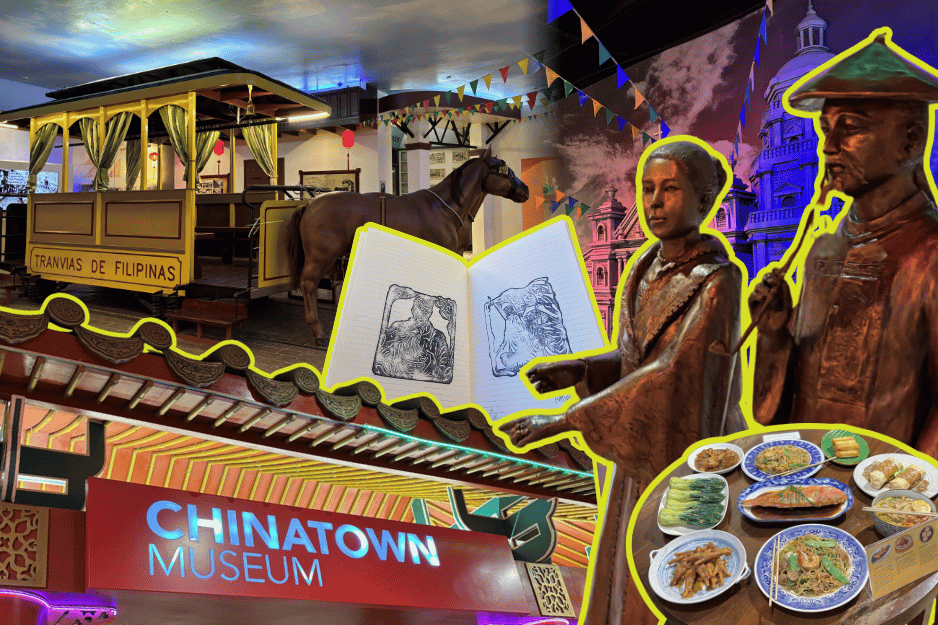
As you turn the corner, vibrant lanterns line the path to a grand archway. Guarding this entrance are four life-sized figures representing the diverse social fabric of old Manila: the Chino Pancitero (noodle vendor) and India Lechera (milkmaid) on the left, and the Mestiza de Sangley and Chino Comerciante (merchant) on the right.
118 galleries of living history
The museum is designed as an interactive storytelling space that traces Binondo’s evolution from a Spanish-era settlement for Catholic Chinese to a bustling financial hub. At the entrance, a massive interactive map of Binondo invites you to press a button and watch specific areas light up in real-time. Beside it, a comfortable seating area allows visitors to pause and watch a documentary detailing the district’s rich history.
As you move through the galleries, you encounter a stunning replica of the Binondo Church, faced by a curated gallery of photographs spanning over a century. Further in, a solemn display of religious statues and crucifixes gives way to a vibrant Chinese pagoda glowing with neon lights. This section houses artifacts—from spices and jewelry to relics of the Galleon Trade, hardwoods, and the history of Meisic.
A panorama of trading life
The tour unfolds into a panoramic view of the district’s commercial soul. You’ll walk past recreations of daily life, including traditional shops, a labanderia (laundry), and even a clandestine opium den. One gallery displays the various banknotes that once defined Binondo as the country’s first financial district, while other stalls showcase a dim sum shop, a distillery, and the tobacco trade. Between the exhibits, you can even find a traditional sungka board with chairs, inviting you to sit and play a quick game.
The heart of the museum features several deeply immersive spaces:
- Botika de San Fernando: A faithful replica of a 19th-century apothecary. Here, history is sensory; you can open the wooden drawers of the medicine cabinets to take a whiff of the various medicinal herbs and dried flowers used by our ancestors.
- El 82: This gallery recreates Roman Ongpin’s famous art supply shop. Once a sanctuary for the era’s greatest minds, it was a frequent haunt for icons like Juan Luna and Fernando Amorsolo.
- The Alcaiceria: A reimagining of the historic octagonal marketplace where Chinese merchants traded under the Spanish crown.
- Flavors of Binondo: This section is a tribute to the district’s culinary heritage, featuring a replica of a restaurant serving classic Chinese dishes and celebrating the legendary panciterias that birthed the “Chinoy” food culture.
Towards the end of the trip, you can step aboard the Tranvia, a life-sized streetcar replica. For those who document their travels through art and journaling, the final stop is a literal playground. Beside it are tables with stamps and ink pads. For only ₱50, you can purchase a dedicated passport to house the museum’s collection of intricate marks. If you prefer to use your own notebook, ensure it is a standard-sized journal. The stamps are huge and incredibly detailed and they won’t fit in a small pocket memo book! It’s the perfect way to create a visual map of your journey through history.
The tour concludes with a moving tribute to the Volunteer Fire Brigades. These “Firefighters of Binondo” represent the district’s enduring community spirit, showcasing the gear and history of the brave volunteers who have protected Manila’s wooden heritage for generations.
How much does it cost to enter?
Planning a visit is both simple and affordable, making it an ideal stop for families, students, and history buffs alike. The museum is open from 10AM to 6PM. The regular admission fee is priced at ₱150.00, while senior citizens and PWD ID holders can enjoy a discounted rate of ₱120.00. Students can also explore the galleries for just ₱100.00 upon presentation of a valid ID, and children under four feet tall are welcome to enter for free. Given the wealth of culture and the interactive nature of the exhibits, it’s a high-value experience that fits perfectly into a day trip to Binondo.
How to get there
Navigating to the museum is an adventure in itself. Those taking the LRT-1 can alight at Doroteo Jose and catch a jeepney to Divisoria, while LRT-2 commuters can get off at Recto Station. For a scenic approach, the Pasig River Ferry offers a route to Escolta Station, followed by a short jeepney ride through Binondo Plaza leads straight to the mall. For those driving, the mall offers professional parking and easy access to some of the best authentic dining spots in Manila immediately after your tour.
The Chinatown Museum itself remains a vibrant, physical repository of stories waiting to be rediscovered by those who wander past the mall’s modern storefronts.
READ:
Tequila, the iconic spirit from Mexico, wouldn’t exist without Filipino sailors
Rei Marquez
May 2, 2026

10 museums in Metro Manila that make getting cultured fun
Nikko Miguel Garcia
October 29, 2025
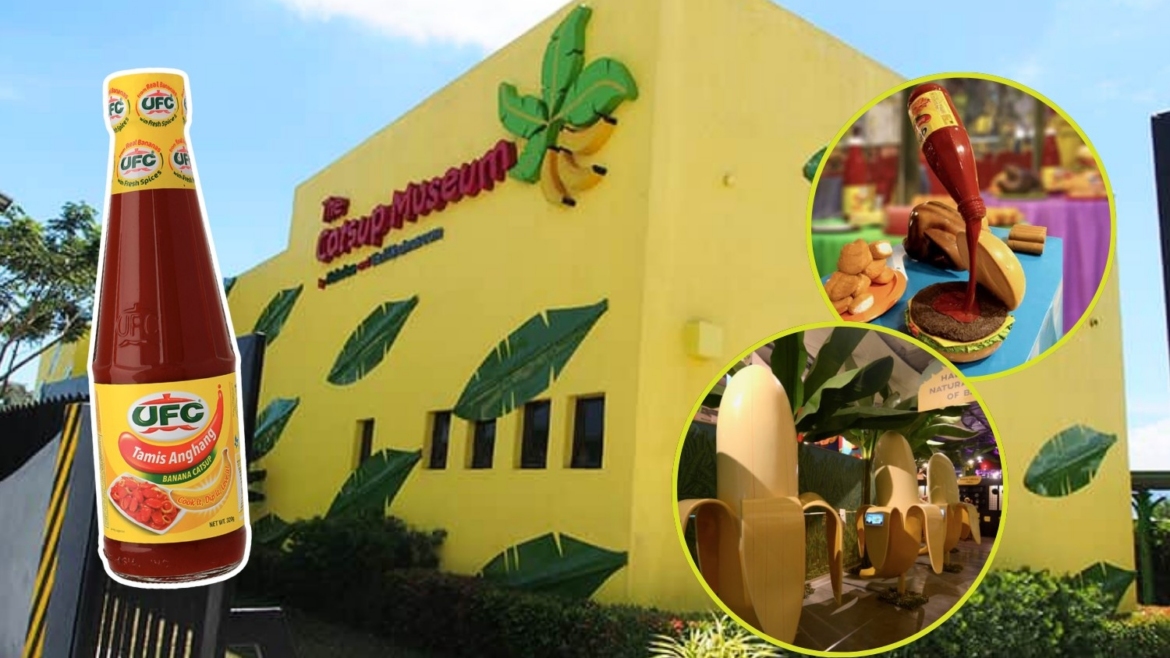
The Philippines made banana catsup iconic enough for a museum
radar Lifestyle
May 9, 2026