Commuters question the impact and say they barely felt fare relief.
After five weeks of operations, the service-based contracting program for public transport operators ends on May 22 at 11:59 PM, with commuters questioning its impact and saying they barely felt the promised fare relief.
The Land Transportation Franchising and Regulatory Board (LTFRB)’s Land-Based Service Contracting Program commenced on April 15 and was aimed at subsidizing costs for public utility vehicles (PUVs) amid volatile fuel prices. Authorities rolled out ₱7 billion for the program, mostly directed toward cash subsidies for drivers and operators.
The anatomy of a fleet feficit
Land-based PUVs, such as buses and jeeps, that participated in the program were required to provide a 20% fare discount on weekdays, on top of existing concessions for senior citizens, persons with disabilities, and students.
The program also required participating PUVs to provide QR code payment options. Participating units prominently displayed a tarpaulin banner stating participation in the service contracting program.
As the program ends on the national level, commuters claim that many PUVs did not implement the required 20% discount. Even on weekdays, some PUVs allegedly still charged regular fares and failed to provide QR codes for payment.
The fragmented exit strategy
The program was originally scheduled to end on May 21 but was extended to allow PUV operators to properly transition. The Department of Transportation encouraged local governments to continue the program within their localities.
Were you able to ride a PUV under this program, and how was the experience?
A ₱7 billion transport shield runs out of gas. The LTFRB service contracting program ends this May 22 amid widespread commuter frustration over missing 20% fare discounts and ghost QR codes.
radar Recommends
Protecting your commuter rights in transit
While the special 20% weekday program discount officially expires at 11:59 PM on May 22, remember that your standard 20% statutory discount for students, senior citizens, and PWDs remains legally active all year round.
If your daily company transport allowance requires exact expense accounting, prioritize riding formalized modernized transport fleets that issue physical electronic tickets. Avoid riding informal units that refuse to print valid trip invoices.
Over the weekend, be ready for a localized reduction in transportation capacity. In order to avoid longer lines at terminal points, set your morning travel alarms 15 to 30 minutes earlier. This is because a number of marginal operators may temporarily remove their units from the road on May 22 in protest of high pump prices.
READ:
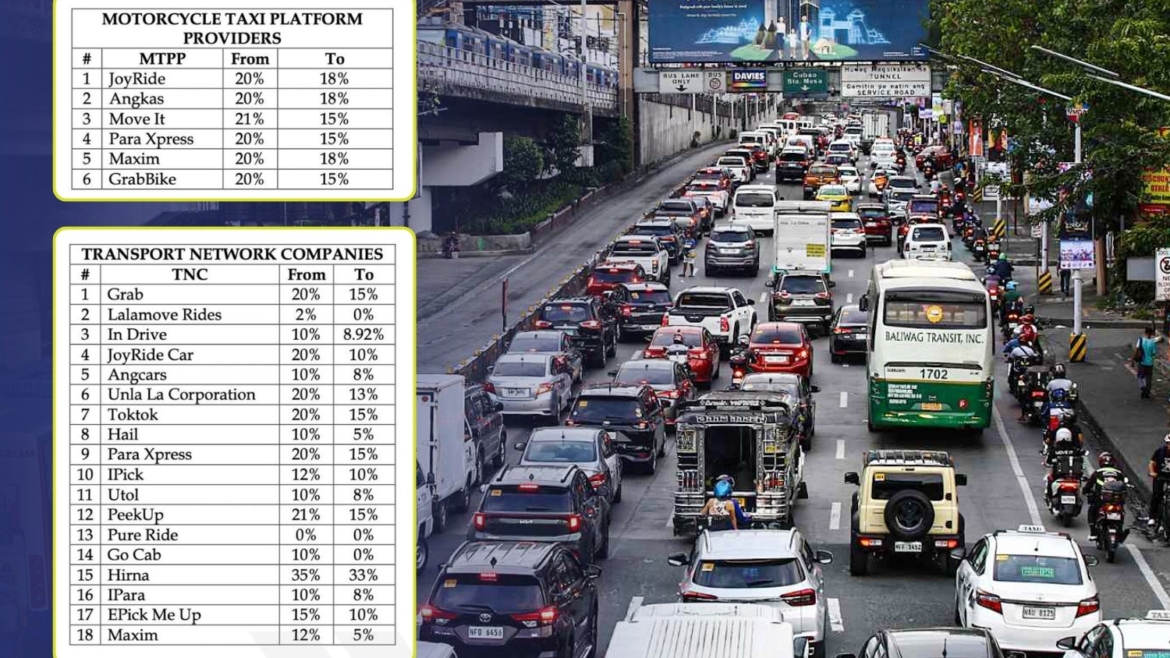
Ride-hailing platforms cut commissions amid fuel price pressure in the Philippines
Kenneth M. del Rosario
April 20, 2026
Metro Manila residents are still breathing in toxic lead
John Lloyd Aleta
May 19, 2026
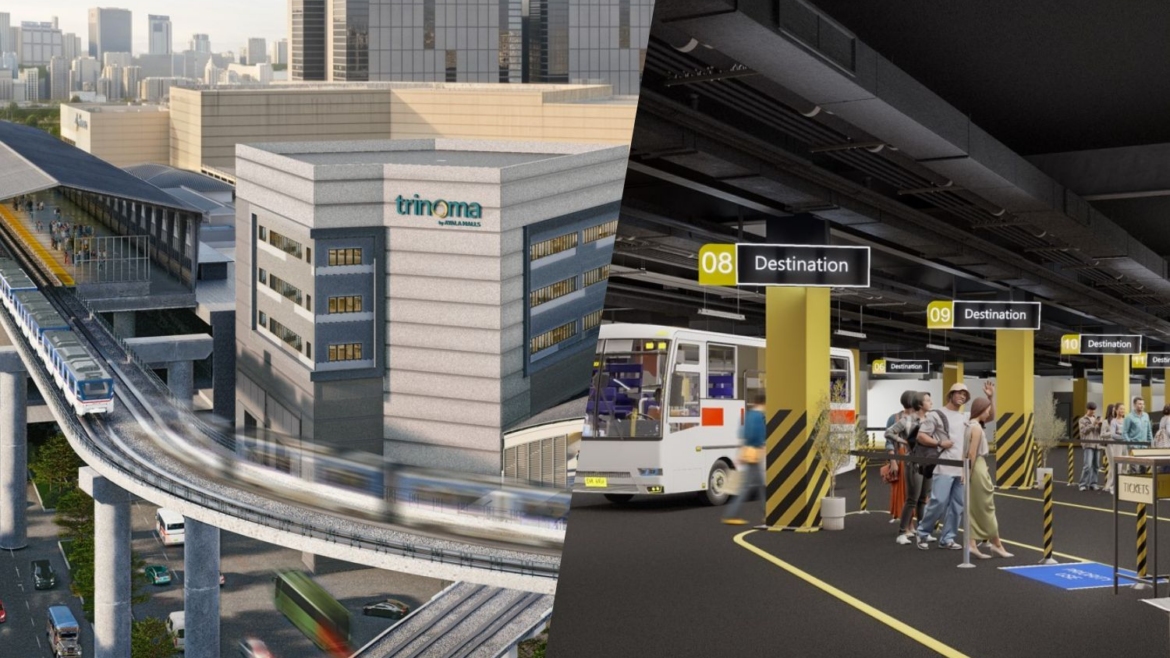
Trinoma expands with new hub connected to MRT-7 system
Kiara Gorrospe
May 20, 2026
Tags: commuter fare relief fuel volatility impactDepartment of Transportation transport fundingDOTr local government unit transport transitionland-based service contracting program cash subsidiesLTFRB service contracting program termination 2026Mandatory QR code public utility vehicles cashlessPUV 20 percent weekday fare discount fraud