Discover the vibrant backyard vine that balances striking culinary uses, traditional medicine, and an unforgettable local name.
There are plants with elegant names. There are plants with scientific names nobody remembers. And then there is Clitoria ternatea — more famously and scandalously known in many parts of the Philippines as pukingan.
Just hearing the word is usually enough to make Filipinos giggle.
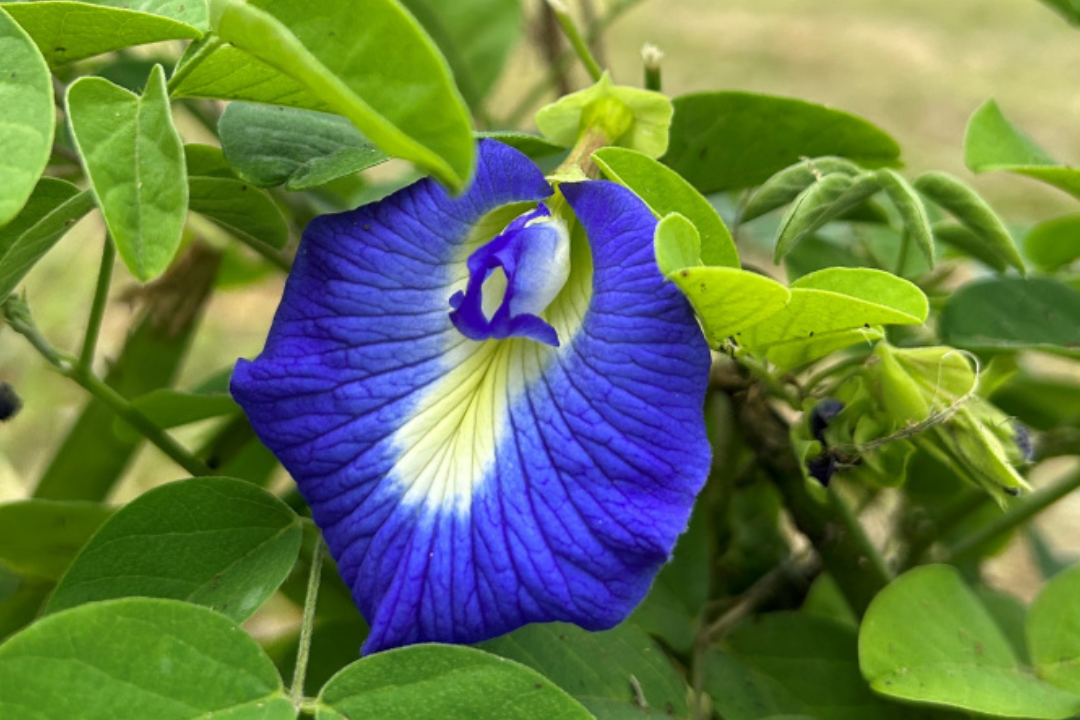
The name comes from the Tagalog word “puki,” slang for the female genitalia, while the flower itself has petals that unmistakably resemble female anatomy. Even scientists leaned into the comparison: the plant’s genus name, Clitoria, was intentionally coined because botanists thought the bloom looked like a clitoris.
In other words, Filipinos didn’t invent the scandal. Nature did.
But behind the name that sounds like a dirty joke is one of the most useful and visually stunning plants quietly growing across backyards, fences, and roadside gardens in the country.
Pukingan is the same flower now marketed more politely as blue ternate or butterfly pea — the deep indigo blossom commonly used in trendy blue teas, mocktails, desserts, and rice dishes. Add calamansi or lemon juice to its vivid blue liquid and it magically turns purple or pink, making it look more like a science experiment than halamang bakod.
It’s the kind of plant that social media food creators now romanticize in expensive cafés. But long before it became aesthetic, rural Filipinos already knew it well.
In some provinces, the young pods are cooked into vegetable dishes like dinengdeng and pinakbet. Traditional herbal medicine also uses the plant as a natural remedy believed to help with stress, memory, eye strain, and inflammation.
And despite its delicate appearance, pukingan is surprisingly hardworking.
As a legume vine, it naturally improves soil by fixing nitrogen back into the earth, helping nearby plants grow healthier. Farmers and gardeners value it not just for its flowers but for its ability to quietly rehabilitate poor soil.
Still, let’s be honest: most people first remember it because of the name.
It’s difficult not to laugh when someone casually says they have pukingan growing on their fence. Even plant enthusiasts often lower their voice before saying it out loud in public. Some prefer the safer “blue ternate” to avoid awkward reactions altogether.
But maybe that tension is part of what makes the plant unforgettable. It sits perfectly at the intersection of Filipino humor, botany, folklore, and everyday life — beautiful enough to impress gardeners, useful enough to help farmers, and scandalous enough to make entire families laugh during merienda conversations.
Only in the Philippines can a flower simultaneously sound bastos, look elegant in tea, heal your garden, and become the centerpiece of a joke all at once.
Behind the name that sounds like a dirty joke is one of the most useful and visually stunning plants quietly growing across backyards, fences, and roadside gardens in the country.
READ: