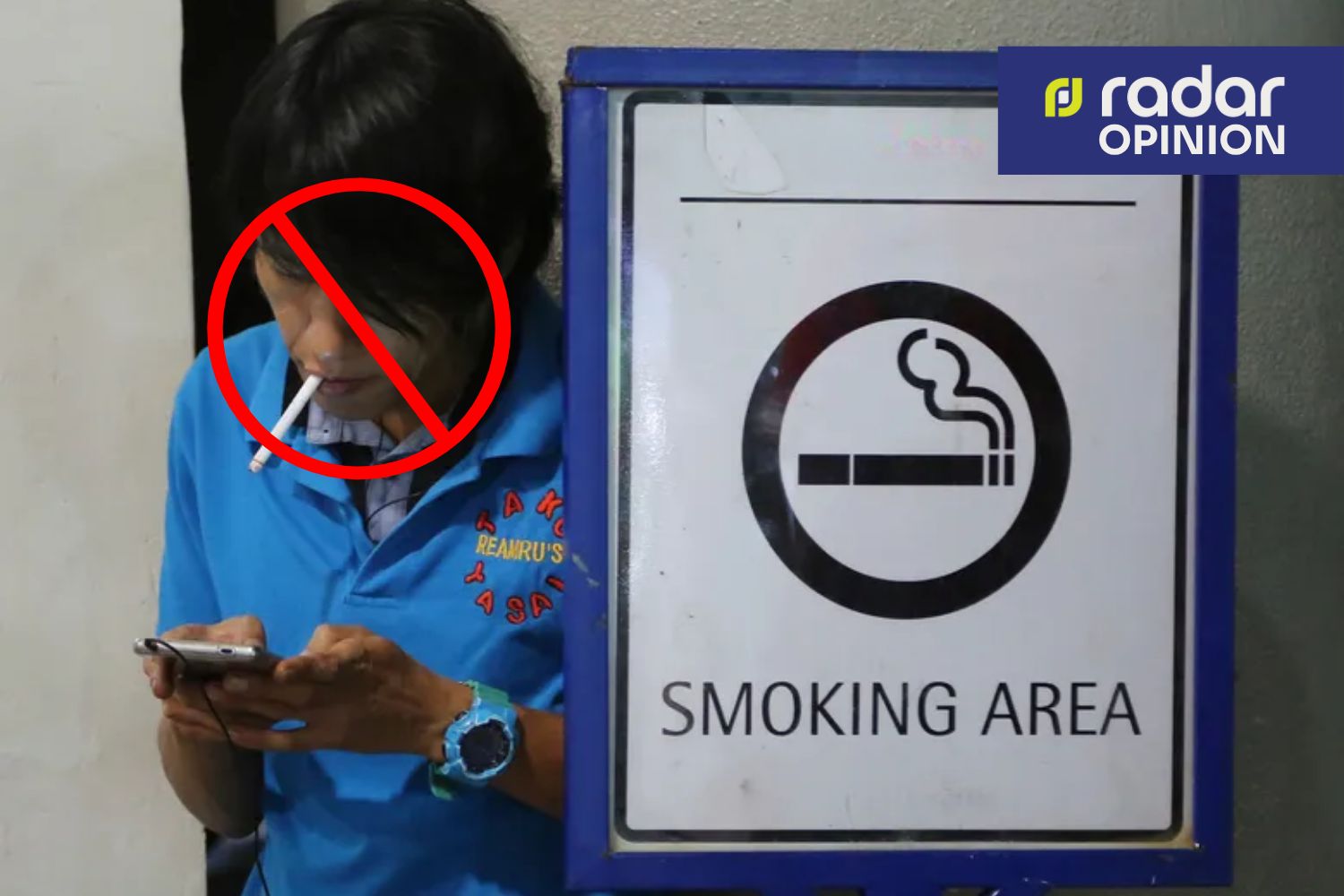

While intended to reduce exposure to secondhand smoke, some designated smoking areas may be making smoking more visible, more convenient, and more socially accepted than intended.
The idea behind having designated smoking areas sounds reasonable enough. They were supposed to separate smokers from non-smokers and reduce exposure to secondhand smoke. The trouble is that reasonable ideas are not always harmless ones.
Because while smoking areas may have helped manage where smoking happens, they may also have helped reinforce the idea that smoking is a habit society will always make room for. Instead of making smoking less visible, we may have simply reorganized it and, in the process, helped make it feel normal.
That may sound like a stretch at first, but the placement of smoking areas in many public spaces makes it worth asking whether they are still achieving what they were originally intended to achieve.
To be fair, not all smoking areas are problematic. Some are tucked away from foot traffic and do a decent job of separating smokers from everyone else. If a smoking area is located far enough from entrances, walkways, and common spaces, most people will never notice it exists, which is probably the point.
The problem is that many are not designed that way.
Convenient for smokers, inconvenient for everyone else
In the condominium where I live in Makati, for instance, the smoking area is located right beside the main gate, making it very convenient for smokers to step out and do the deed. On windy days, the smoke drifts toward residents and visitors entering and leaving the property, and while the smoking itself may be confined to a designated space, the smell and exposure are not.
It is the kind of arrangement that often goes unquestioned simply because it has become familiar. A smoking area beside an office entrance. One near a transport hub. Another is placed close enough to a walkway that non-smokers still end up catching smoke as they pass, even when they were clearly designed under the assumption that separation would be enough to protect people moving through shared spaces.
And perhaps that is precisely the issue.
Under Philippine law, particularly the Tobacco Regulation Act of 2003 RA 9211, and the smoke-free framework reinforced by Executive Order No. 26, designated smoking areas are allowed only under strict conditions meant to limit exposure and ensure separation between smokers and non-smokers. The intent is clear in principle. Smoking areas are not meant to share space with general public flow but to contain exposure through proper placement, separation, and ventilation.
But in practice, placement often overrides intent.
We created designated smoking areas to keep smoke away from non-smokers, yet many are located in places where non-smokers still encounter smoke anyway. Not all of them, certainly, but enough of them to raise a fair question about whether some smoking areas are serving their intended purpose as well as assumed.
Lounge became a convenient disguise
What makes this even more interesting is the language that sometimes surrounds them. Some establishments do not simply call them smoking areas. They call them smoking lounges.
Lounges—let that sink in.
Associating smoking with lounges is an odd choice considering the word has always been linked with comfort, relaxation, and hospitality. Smoking, on the other hand, is linked to well-documented health risks that public health authorities have spent decades trying to reduce.
Yet in some spaces, the language used to describe smoking areas feels surprisingly accommodating, almost as if smoking is being framed as an amenity rather than a habit with consequences.
That may seem like a small detail, but language shapes perception more than we often admit.
Another gripe I have with smoking areas is that they are framed as controlled environments, but in reality they concentrate smokers in one shared space where everyone is exposed to each other’s smoke.
Instead of isolating exposure, they can end up intensifying it, with smokers inhaling not only what they themselves light up but also what others exhale in close proximity.
In trying to limit exposure to non-smokers, these spaces sometimes end up creating a different kind of exposure altogether, one that is shared among smokers themselves.
The illusion that smoking is okay
In the first column of this series, I argued that smoking in public was allowed to feel normal when it should have felt shameful. Smoking areas may be part of that story.
These were not created with bad intentions, but managing where smoking happens is different from questioning why it continues to be so visible in the first place.
When smoking areas become permanent fixtures in condominiums, office buildings, hotels, malls, and other public spaces, they can reinforce the idea that smoking is something society will always accommodate. We may discourage it, regulate it, and warn against it, but we also continue building spaces around the assumption that it will always exist.
That assumption deserves closer scrutiny.
The goal of tobacco control should not simply be to reorganize smoking or make it easier to accommodate. It should also consider how design itself influences behavior, whether smoking areas are placed and built in ways that unintentionally make smoking easier to sustain, more visible, and more socially embedded than intended. Proper design should not just separate smoke but ensure it does not become part of everyday movement through shared spaces.
There should also be clear accountability measures in place, including penalties for buildings, establishments, and companies that fail to properly enforce these standards or continue placing smoking areas in ways that expose the public.
If smoking areas are to exist at all, they must always meet strict conditions, not sometimes but every single time.
Indoor smoking areas should be properly ventilated spaces with systems that prevent smoke from spilling into surrounding areas, not simply enclosed rooms that merely contain it. Outdoors, they must be located far enough from entrances, walkways and gathering points so that non-smokers are not unintentionally exposed while moving through shared environments. If these conditions cannot be met, then the designation itself becomes meaningless.
This is where the familiar argument often enters the conversation that smoking is a personal choice and therefore a right that should be accommodated in public space. That framing is not entirely wrong but it is incomplete. Rights in shared spaces are never absolute when they begin to affect other people’s right to clean air and safe passage.
Smoking can remain a choice, but not one that automatically translates into convenience in public spaces. If the only way to prevent exposure is to make smoking areas less accessible or less comfortable than they currently are, then that is part of the cost of balancing competing rights in shared environments.
And if some smoking areas continue exposing non-smokers to smoke while reinforcing the idea that smoking is a permanent and accepted part of public life, then it is worth asking whether we have become too comfortable with the compromise.
That’s the point.
Editor’s Note: This is the second in a series of columns on smoking in public in the Philippines, including how it was normalized, why tolerance persists in shared spaces, and how designated smoking areas may be contributing to the problem they were meant to solve. The next installment follows next Sunday.
While intended to reduce exposure to secondhand smoke, some designated smoking areas may be making smoking more visible, more convenient, and more socially accepted than intended.

Kenneth M. del Rosario
As radar’s business editor, Kenneth oversees stories on innovation, enterprise, and business trends. Off the clock, you’ll find him jamming to Mariah Carey, logging miles on a run, or diving for a volleyball.
View All Posts