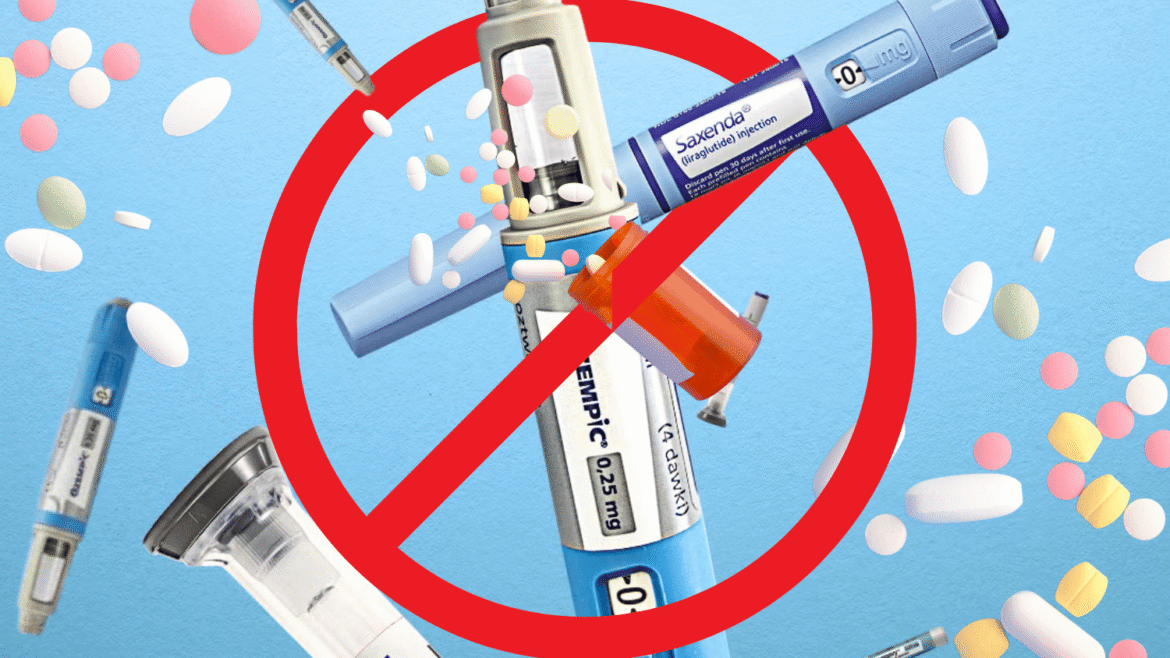
The viral post sparks online discussion on the Generics Act of 1998. Photo by Alyssa Kalinggalan / Facebook
The Generics Act gives patients right to choose cheaper alternatives
A Filipino pharmacist called out a prescription she encountered while on duty as it contained the instructions, “NO BRAND SWITCHING. DISPENSE AS PRESCRIBED.”
In a Facebook post, Alyssa Kalinggalan called it a “violative prescription,” which goes against Republic Act 6675 or The Generics Act of 1988.
Section 6 states that drug outlets “shall inform any buyer about any and all other drug products having the same generic name, together with their corresponding prices so that the buyer may adequately exercise, his option.”
The Department of Health’s Administrative Order 62, series of 1989, also states that instructions on prescriptions like “No substitution” are violative and shall not be filled by pharmacists as it tends to obstruct, hinder, or prevent proper generic dispensing.
“By imposing such mandates this can create an unnecessary financial burden, especially for patients with limited budgets, as they may perceive that the brands prescribed or written by their doctors as a mandatory requirement,” Kalinggalan wrote. “Thinking it’s a non-negotiable instruction, making them purchase it even though they really want to get less costly medications.”
Many commenters agreed with the post. “kawawa pasyente,” a commenter said.
Others, meanwhile, speculated that certain physicians continue the practice because of supposed ties with pharmaceutical companies.
“Kaya yan ginagawa nila kasi magkakapera din sila,” a user said.
The incident has also renewed whether existing laws on generic dispensing are properly implemented. While the Generics Act has expanded access to lower-cost medicines over the years, inconsistent compliance among some healthcare providers may leave consumers unaware that more affordable alternatives are legally available.
Athena Dagli is a long-time campus journo who especially enjoys all things pop culture and sports. She takes all the chances to rave about them through her writing and radio (or her secret social media accounts.)