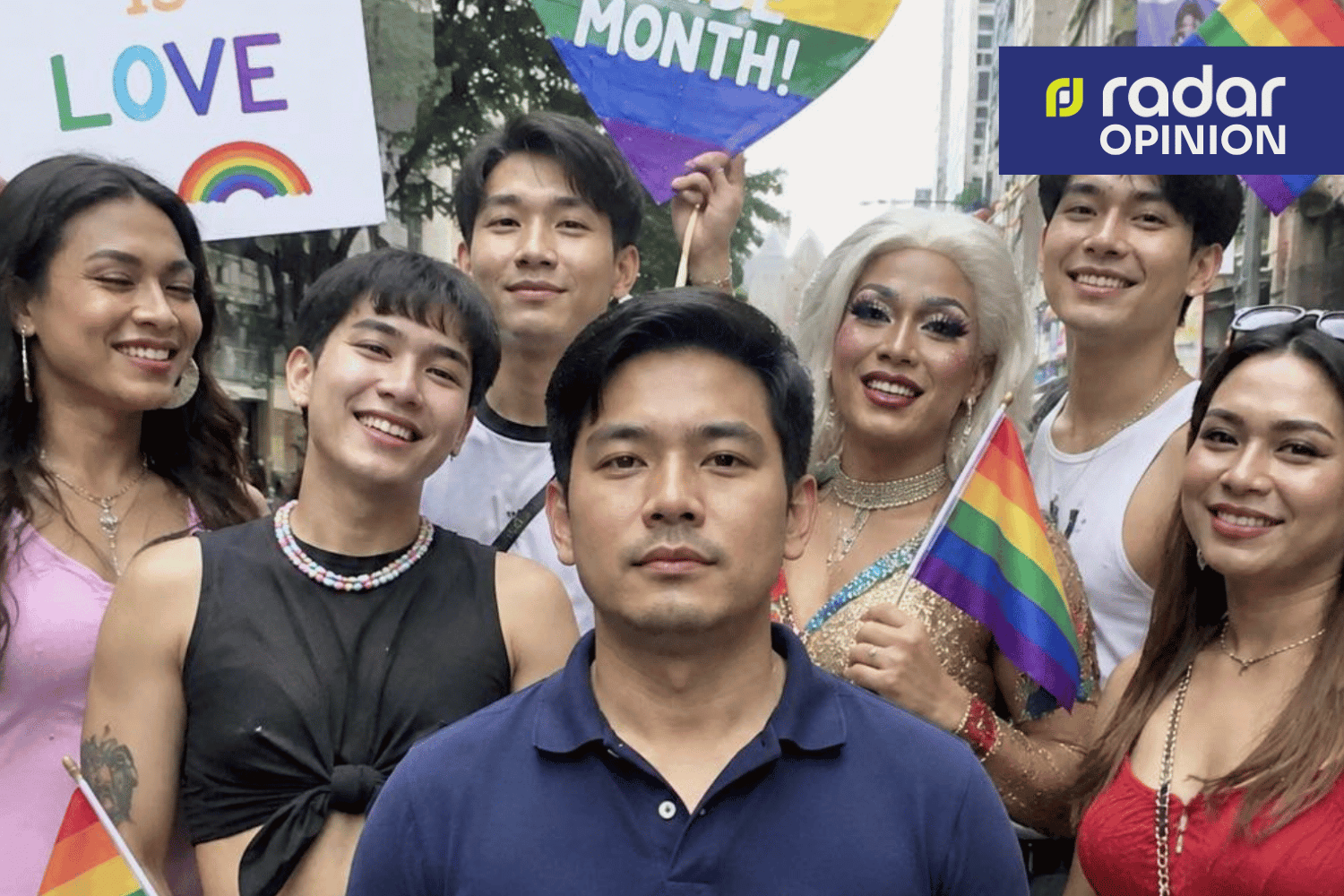
Pride Month is a reminder that respect should never be selective.
Every June, social media fills with rainbow-colored profile photos and declarations of support for the LGBTQIA+ community. And almost inevitably, someone will say: “Hindi ako homophobic. May gay friend ako.”
Sometimes it’s a gay cousin. A beloved uncle. A witty officemate everyone enjoys eating lunch with. A makeup artist who has become family. A hairstylist trusted for every wedding, graduation, and birthday. A fashion designer who has dressed generations of the clan.
But having one gay person you like does not automatically make you an ally.
Many Filipinos proudly claim to support LGBTQIA+ people because they love a specific individual, yet continue to ridicule, insult, or discriminate against others who do not fit their idea of what is “acceptable” queerness.
They adore the successful gay uncle who helped send them to school, but mock the “baklang kanal” they encounter on the street. They respect the wealthy lesbian executive but laugh at a transgender woman working in a salon. They celebrate a gay celebrity on television but make cruel jokes about a feminine classmate.
That is not allyship. That is selective acceptance.
A true ally understands that dignity is not something people earn through wealth, education, status, or usefulness. Human dignity belongs to everyone.
The gay uncle who sacrificed to help his family deserves respect. So does the loud, flamboyant gay vendor in the palengke. The lesbian CEO deserves respect. So does the lesbian tricycle driver. The transgender beauty queen deserves respect. So does the transgender woman simply trying to make a living.
Respect cannot depend on whether someone is successful, wealthy, entertaining, or related to us.
Real allyship is also what happens when no LGBTQIA+ person is around.
It is easy to post a rainbow during Pride Month. It is harder to challenge a friend who uses “bakla” as an insult. It is harder to speak up when relatives make jokes at family reunions. It is harder to stop laughing when a group chat turns someone’s gender identity into a punchline.
Yet that is exactly where allyship matters most.
An ally does not remain silent when homophobic, biphobic, or transphobic remarks are made. They understand that discrimination grows strongest in spaces where nobody challenges it.
Being an ally also means being willing to learn.
Many Filipinos grew up hearing stereotypes and misconceptions about LGBTQIA+ people. A true ally does not pretend to know everything. Instead, they listen. They learn. They accept correction when they make mistakes. They respect a person’s chosen name and identity. They do not force LGBTQIA+ individuals to constantly justify their existence.
Most importantly, allies understand that LGBTQIA+ people are not symbols, mascots, or accessories.
They are not there simply to provide comic relief, fashion advice, beauty tips, or entertainment. They are complete human beings with dreams, flaws, talents, fears, and struggles—just like everyone else.
This Pride Month, perhaps the question is not whether we have a gay friend, a lesbian cousin, or a transgender colleague.
The real question is this:
Do we extend the same respect to LGBTQIA+ people we do not know, do not benefit from, and may never meet again?
Because true allyship begins when respect is no longer selective.
It begins when we defend people not because they are useful to us, related to us, or admired by society—but because they are human.
And that, more than any rainbow post or Pride Month greeting, is what makes someone a genuine LGBTQIA+ ally.
READ:
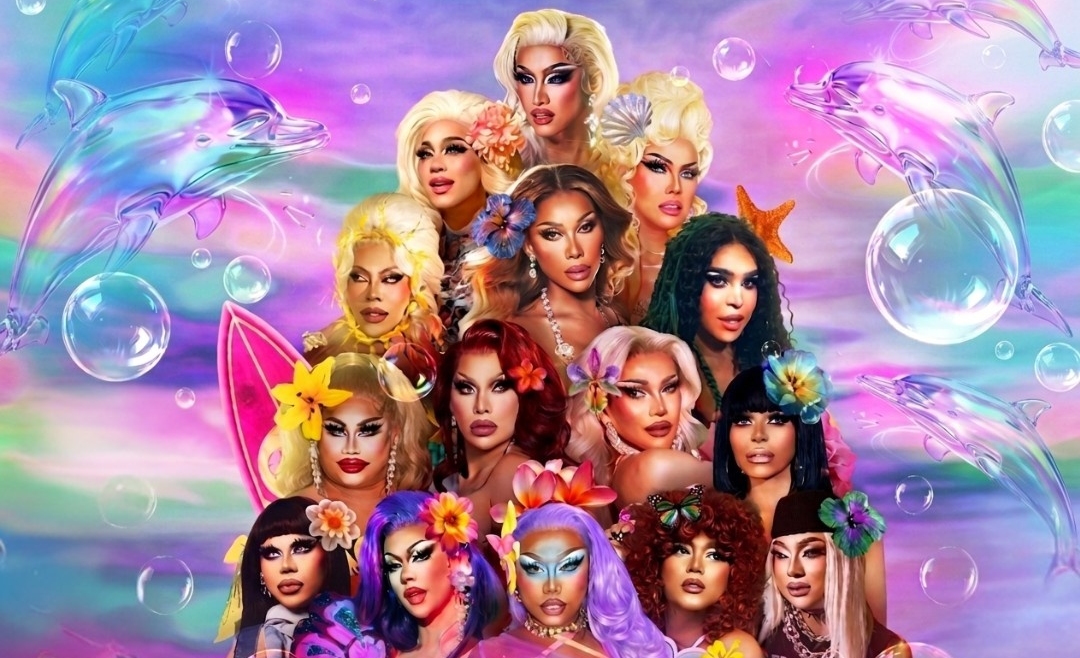
Kween Con 2026 spotlights Filipino drag excellence this Pride Month
Rafael Asonza
May 24, 2026
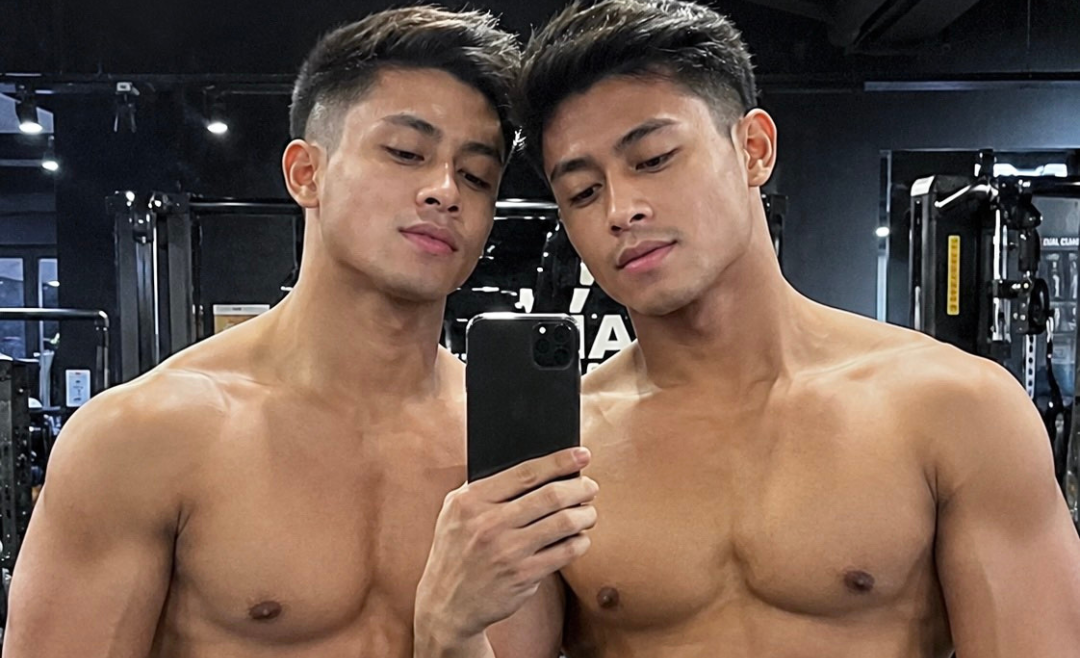
Why do so many gay couples look alike?
radar Lifestyle
May 22, 2026
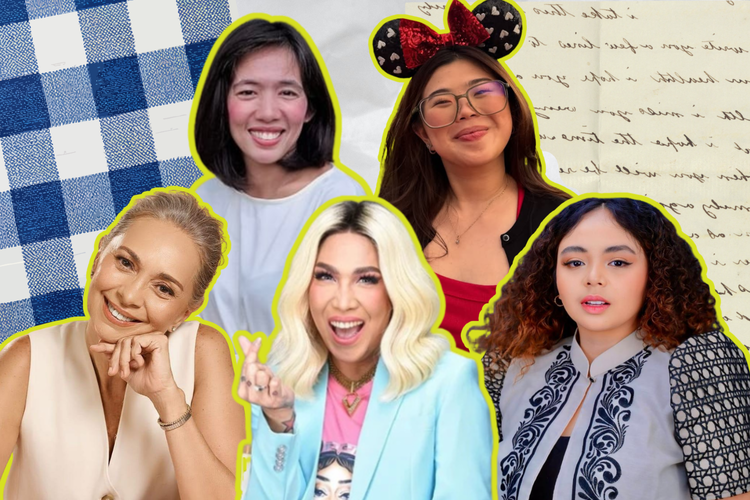
They never had to care beyond their homes, but they did: The internet’s most beloved online moms
Denchelle Castro
May 10, 2026