Competition regulator warns against coordinated pricing as ₱50/kg ceiling takes effect.
The Philippine Competition Commission has reminded rice importers and traders to keep commercial decisions strictly independent and to avoid sharing sensitive business details such as pricing, import volumes, and supply plans.
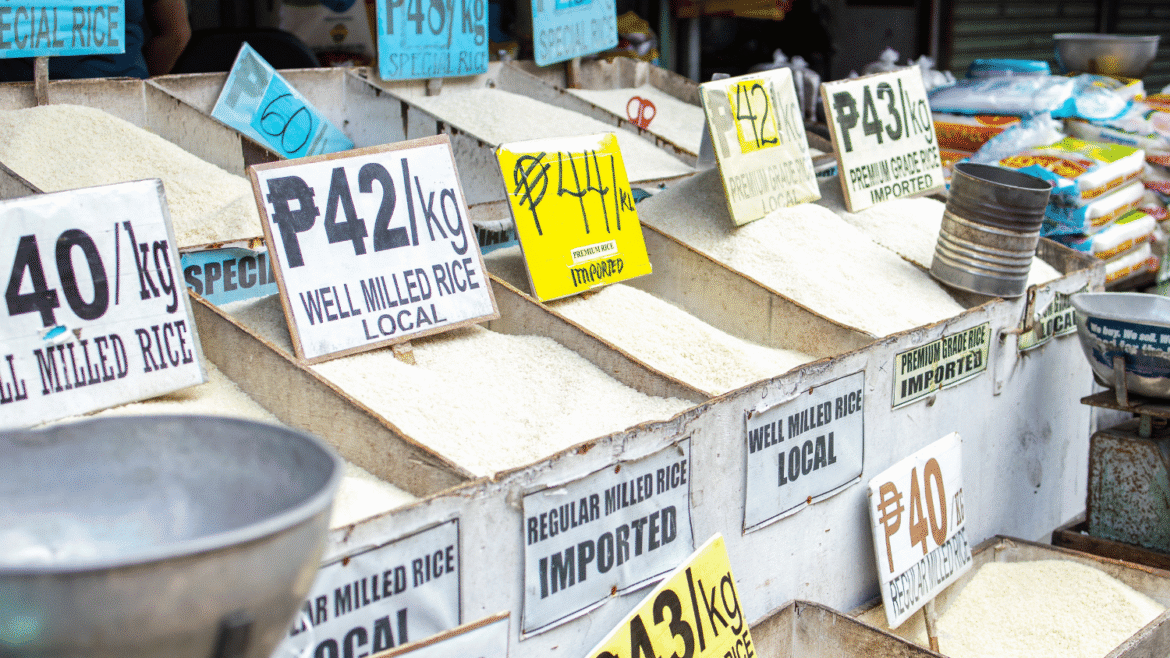
This comes after a meeting with industry players following Malacañang’s order imposing a ₱50 per kilo ceiling on imported rice (5% broken) under Executive Order 118, in effect for 30 days starting May 13.
The reminder lands as imported rice takes on a bigger role in local supply. The Department of Agriculture has lowered its production outlook to 18.6–18.8 million metric tons from 20.3 million, while imports are projected at 3.6–3.8 million metric tons to help meet demand.
With the price cap now active, regulators are watching how key importers respond under tighter pricing conditions. The concern is that when players face the same limits, discussions around pricing or supply planning, even informal ones, can lead to aligned decisions that reduce competition across the market.
The PCC said it is focusing on guidance alongside enforcement, offering technical support to help businesses comply while reinforcing rules against anti-competitive behavior.
PRIA, which groups 60 importers, reaffirmed support for food security and stable supply, and suggested further dialogue with retailer groups to better understand logistics and pricing pressures across the chain.
DTI, DA, BOC, and PCC are all involved in enforcement, covering pricing rules, trade monitoring, anti-hoarding measures, and safeguards against cartel-like behavior.
READ: