Expect supply dip and price increase for galunggong and hasa-hasa.
Starting this June until August 31, the Davao Gulf officially enters its annual 3-month “Closed Fishing Season,” announced the Bureau of Fisheries and Aquatic Resources (BFAR) recently.
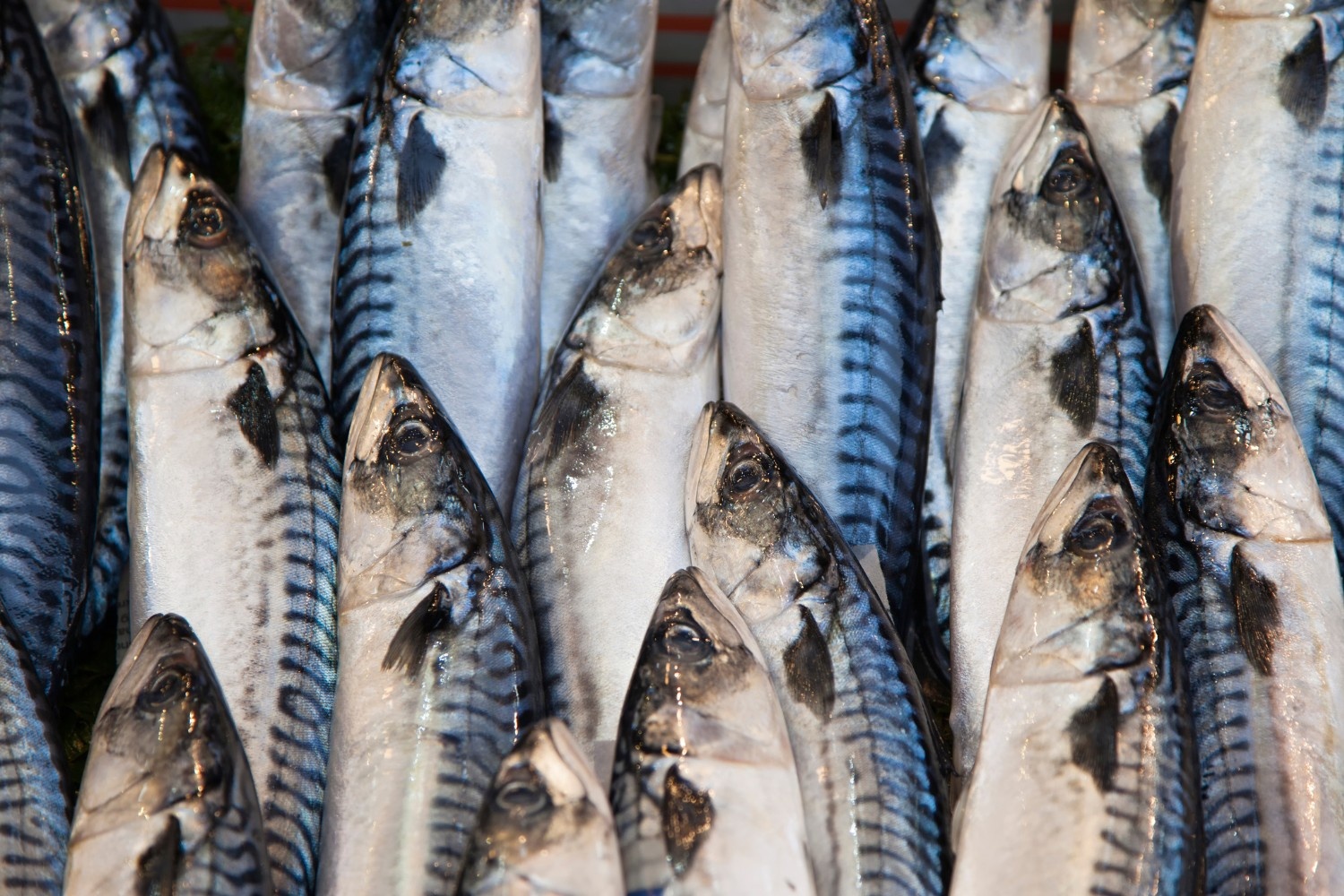
For the next 90 days, commercial vessels using bagnets and ringnets are strictly prohibited from catching small pelagic fishes like galunggong (roundscad), matangbaka (bigeye scad), and hasa-hasa (mackerel).
This annual ban gives fish stocks the vital window they need to spawn, regenerate, and recover from intense overfishing.
What does it mean?
For consumers in the Davao Gulf area, expect a temporary dip in fresh local supply and a slight price pinch on your favorite fish at the wet market. Markets will rely more on aquaculture (bangus and tilapia) and frozen supplies.
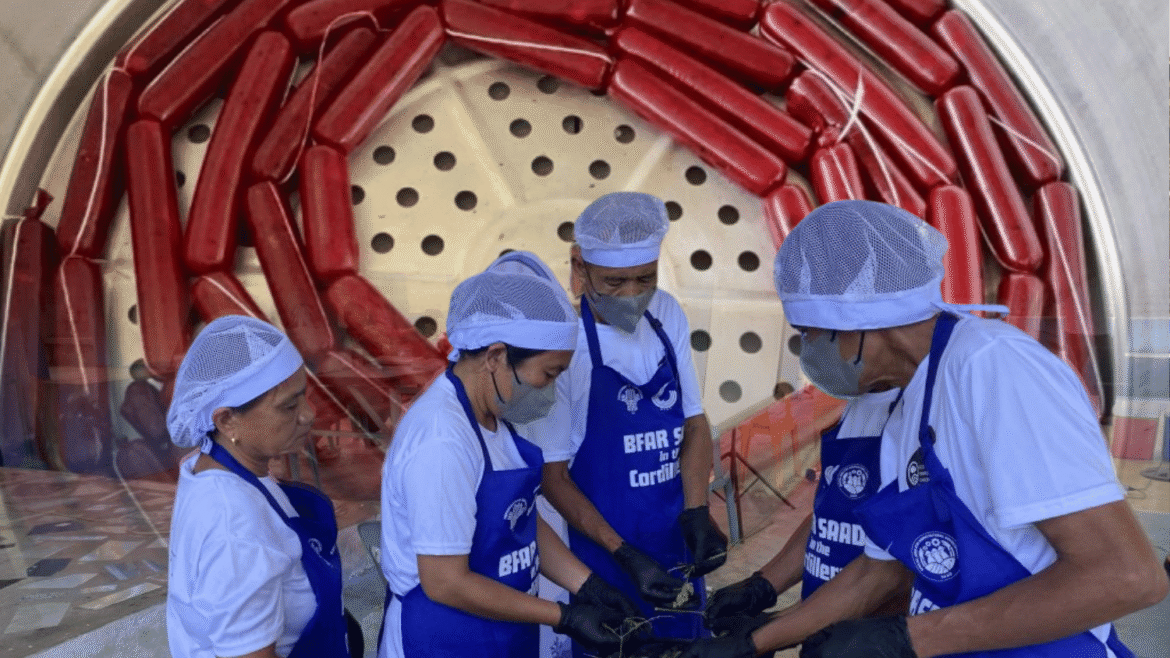
While small, traditional municipal fishers are exempt and get a break from big commercial competition, thousands of commercial crew members face a 90-day income gap, making government alternative livelihood programs absolutely critical.
Data from the Bureau of Fisheries and Aquatic Resources (BFAR) proves this works—allowing the gulf to rest now guarantees bumper catches and stable food security for the rest of the year.
Annual fishing ban in critical waters
BFAR implements a strategic “closed season” framework across the country’s most critical fishing grounds to protect primary marine species during their peak spawning periods. This conservation effort begins in the Davao Gulf from June 1 to August 31 to safeguard mackerels, round scad, and bigeye scad.
Later in the year, Northern Palawan implements its closure from November 1 to January 31 to protect round scad, which serves as the primary supply for Metro Manila, while the Visayan Sea enforces its ban from November 15 to February 15 to preserve sardines, herrings, and mackerels.
The staggered schedule concludes with the Zamboanga Peninsula’s closed season from December 1 to March 1. This specific window heavily focuses on protecting sardines, which are the vital lifeblood of the country’s massive canning industry.
By halting commercial operations during these precise calendar windows, the government allows local fish populations to reproduce and replenish, ensuring long-term food security and the ecological sustainability of Philippine waters.
READ: