Before TikTok and influencers, Bekimon was already viral—how a queer comedian changed Filipino internet culture in 2010.
It is 2010. You’re sitting in front of a desktop computer in an internet café or scrolling through Facebook on a bulky laptop. A friend sends you a YouTube link with a simple message: “Panoorin mo ’to, ang funny!”
You click.
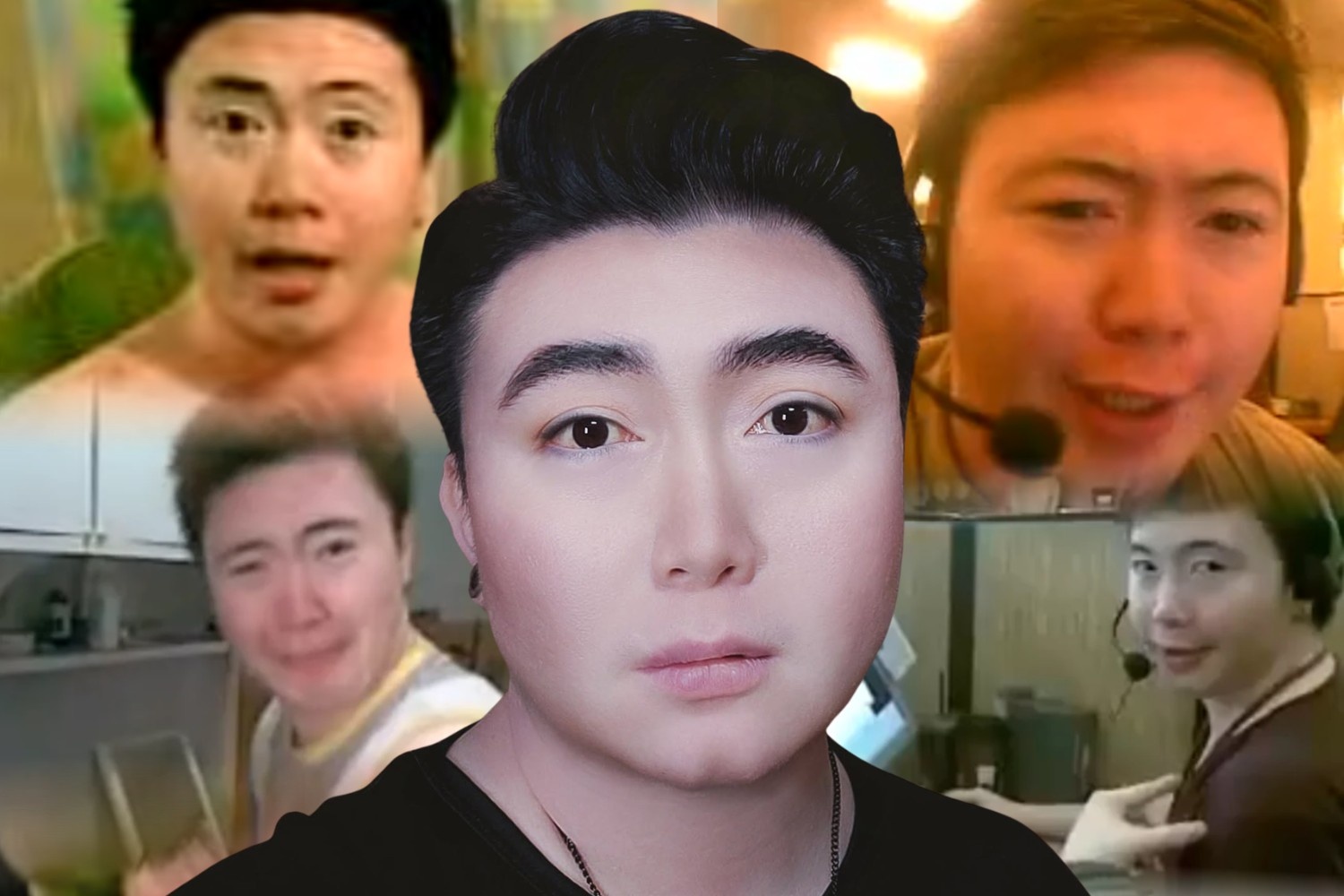
A flamboyant queer with a strikingly fair complexion appears on screen playing a character named Bekimon, a mother being confronted by her child, “Junakis.” The teacher, Junakis explains, cannot understand the excuse letter Bekimon submitted to school. Unfazed, the mother proudly reads the letter aloud—except it is written entirely in rapid-fire gay lingo.
The exchange is absurdly funny. The words are almost impossible to decipher, the delivery is impeccable, and before long, you’re replaying the video and sending it to everyone you know.
Within days, Facebook timelines across the country are flooded with the clip.
His name was Bekimon.
Long before content creators became celebrities, before TikTok stars dominated social media, and before influencers became a profession, Bern Josep Persia was already experiencing internet fame.
In 2010, Persia was a 24-year-old call center employee and part-time photographer. Under the moniker Bekimon, he uploaded a series of comedy videos that cleverly showcased the humor and creativity of Filipino gay lingo, or Swardspeak.
His timing was perfect. While the country was fascinated by the Jejemon craze, Bekimon offered something fresh, funny, and undeniably Filipino.
The viral “Junakis” skit opened the floodgates. He followed it with more videos explaining and parodying gay language, turning what was once considered an insider dialect into mainstream entertainment. Within just two months, his videos had amassed nearly a million views—an impressive feat during the early days of Philippine social media.
Many viewers also remembered his strikingly fair complexion, which was caused by vitiligo, a condition that affects skin pigmentation. Rather than hide it, Bekimon embraced it, making him even more recognizable online.
His popularity quickly caught the attention of television executives. Soon, the YouTube sensation was appearing on major programs and landing roles in projects such as “Juanita Banana,” “The Adventures of Pureza: Queen of the Riles,” “Echorsis,” and “Die Beautiful.”
What made Bekimon special wasn’t just his humor. At a time when LGBTQ+ representation remained limited, he introduced queer language and culture to mainstream audiences with confidence, wit, and authenticity.
Today, influencers routinely turn social media fame into television, film, and endorsement deals. But years before that became the norm, Bekimon had already shown the way.
Before content creators took over the internet, there was Bekimon—a queer call center agent with a webcam, a sharp sense of humor, and a viral video that helped define the early days of Filipino social media.
READ: