A closer look at accessibility, weak enforcement, and how tobacco remains one of the most available products despite decades of public health warnings.
If smoking is one of the leading causes of preventable disease, why is it still one of the easiest products to buy?
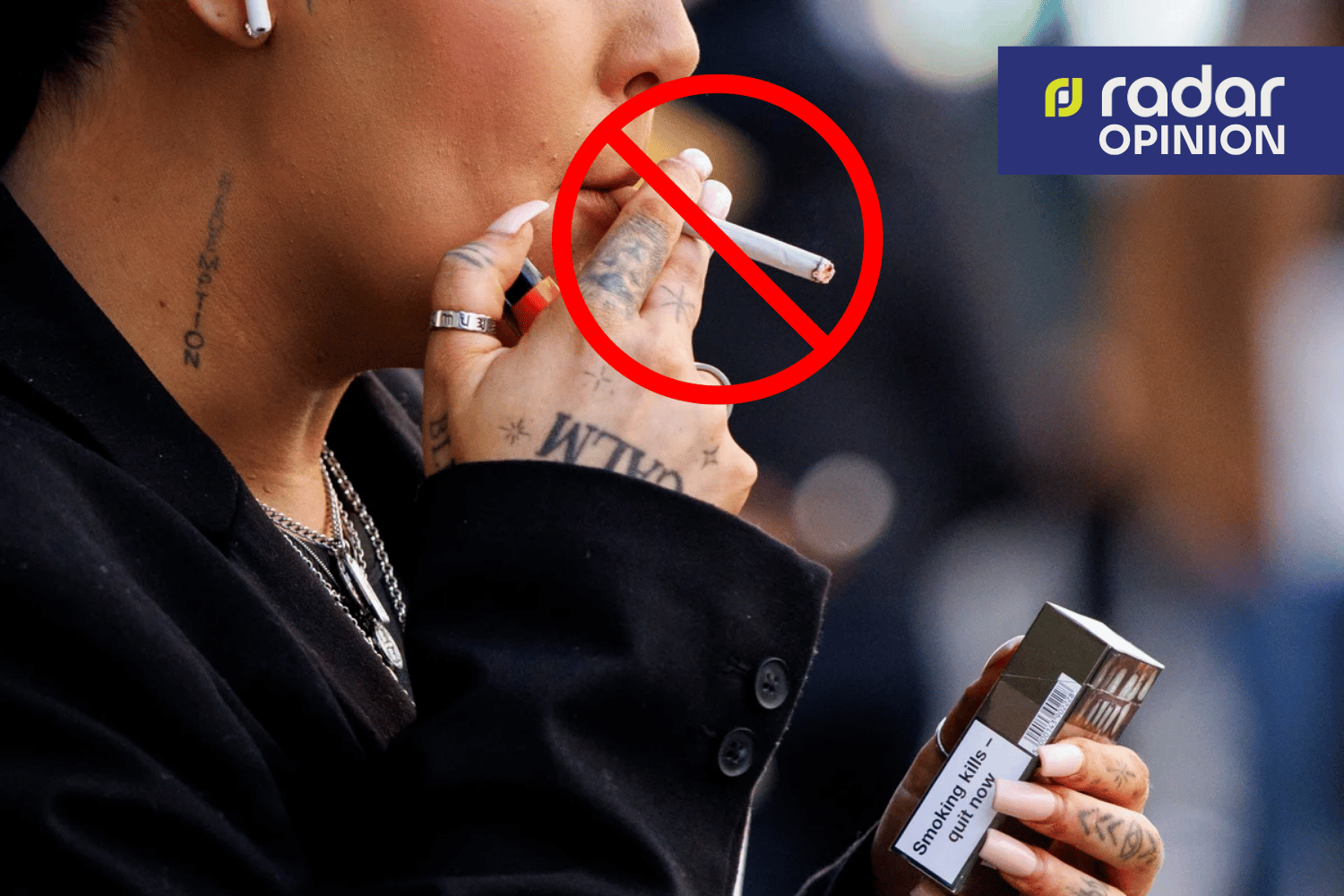
Society spends enormous amounts of time and resources warning people not to smoke. Cigarette packs carry graphic health warnings, and public campaigns continue to repeat the risks. Smoking is prohibited in many public spaces, while governments continue issuing regulations aimed at reducing tobacco use.
Yet cigarettes remain remarkably accessible.
They are sold in convenience stores, supermarkets, gas stations, and countless neighborhood shops. In many places, they sit alongside everyday consumer products as if they were no different from snacks, soft drinks, or bottled water. Even after years of anti-smoking campaigns, buying a pack of cigarettes remains one of the most convenient transactions a person can make.
It’s a contradiction hiding in plain sight.
If the long-term goal is to reduce smoking, why do we continue treating cigarettes seemingly as an ordinary retail product?
The situation becomes even more concerning when cigarettes can still be bought per stick, lowering the barrier to access even further. Even minors are often able to purchase them, especially in smaller stores where IDs are rarely asked to verify legal age. In many small retail settings such as sari-sari stores and street vendors, age verification is inconsistently enforced and often overlooked in day-to-day transactions.
The only sustained attempt to curb consumption through pricing has been the sin tax reform under Republic Act No. 10351, passed in 2012, which significantly increased excise taxes on tobacco products over succeeding years. This led to cigarette prices rising from as low as around ₱5–₱7 per stick in earlier years to roughly ₱8–₱12 or higher today, depending on the brand. While the policy did make cigarettes more expensive over time, it did not meaningfully disrupt their widespread availability.
To be clear, this is not an argument for prohibition. History has shown that outright bans often create their own problems.
But accessibility deserves far more scrutiny than it currently receives.
Public policy often focuses on where people smoke, how they smoke, and whether they are exposing others. Those conversations are important, for sure. But there is another question worth asking. Why is obtaining cigarettes still so easy in the first place?
We often talk about smoking as a personal choice. Fair enough. But choices do not exist in a vacuum. They are influenced by price, visibility, availability, and convenience.
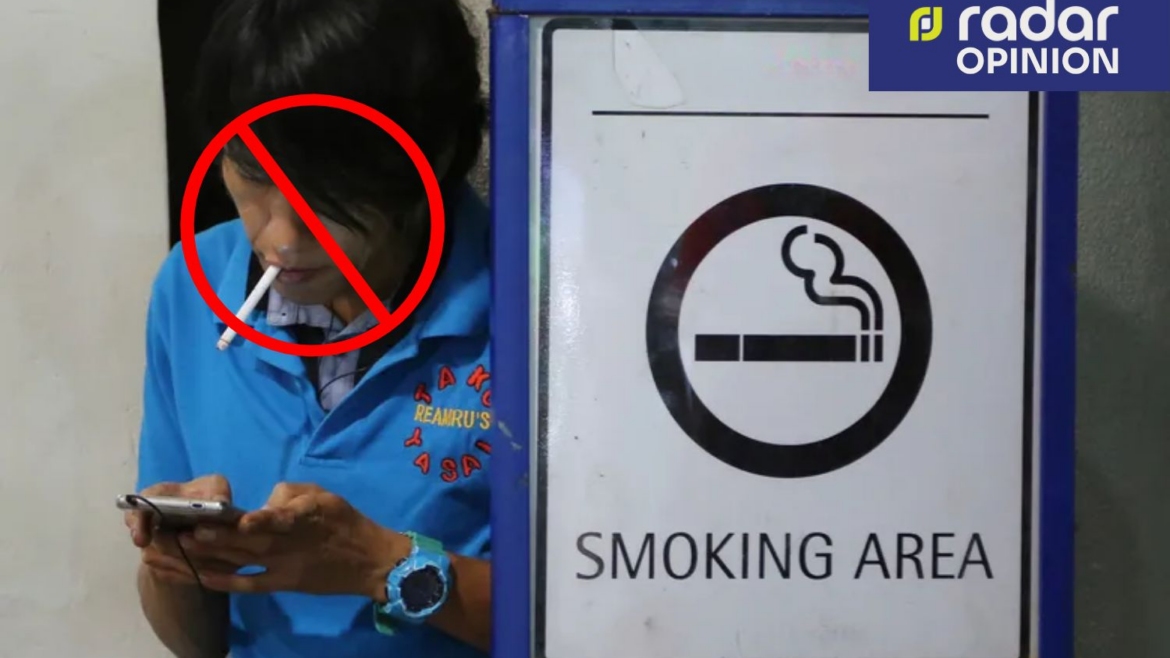
Seen alongside earlier discussions about smoking areas in public spaces, where smoking is managed, contained, and given designated spaces, a pattern starts to show itself more clearly. Smoking is not only accommodated after purchase, it is normalized even before it begins.
If reducing smoking is truly the objective—and we can only hope it truly is—then perhaps the conversation should spend less time accommodating the habit and more time examining how effortlessly society continues to sell it.
That question at the top of this article is not rhetorical. We all know the answer. It comes down to money. The tobacco industry continues to generate revenue that makes many parts of the system willing to look past the consequences. The health burden, however, is carried elsewhere—by the public, and by those who pay for it with their health.
That’s the point.
READ: