

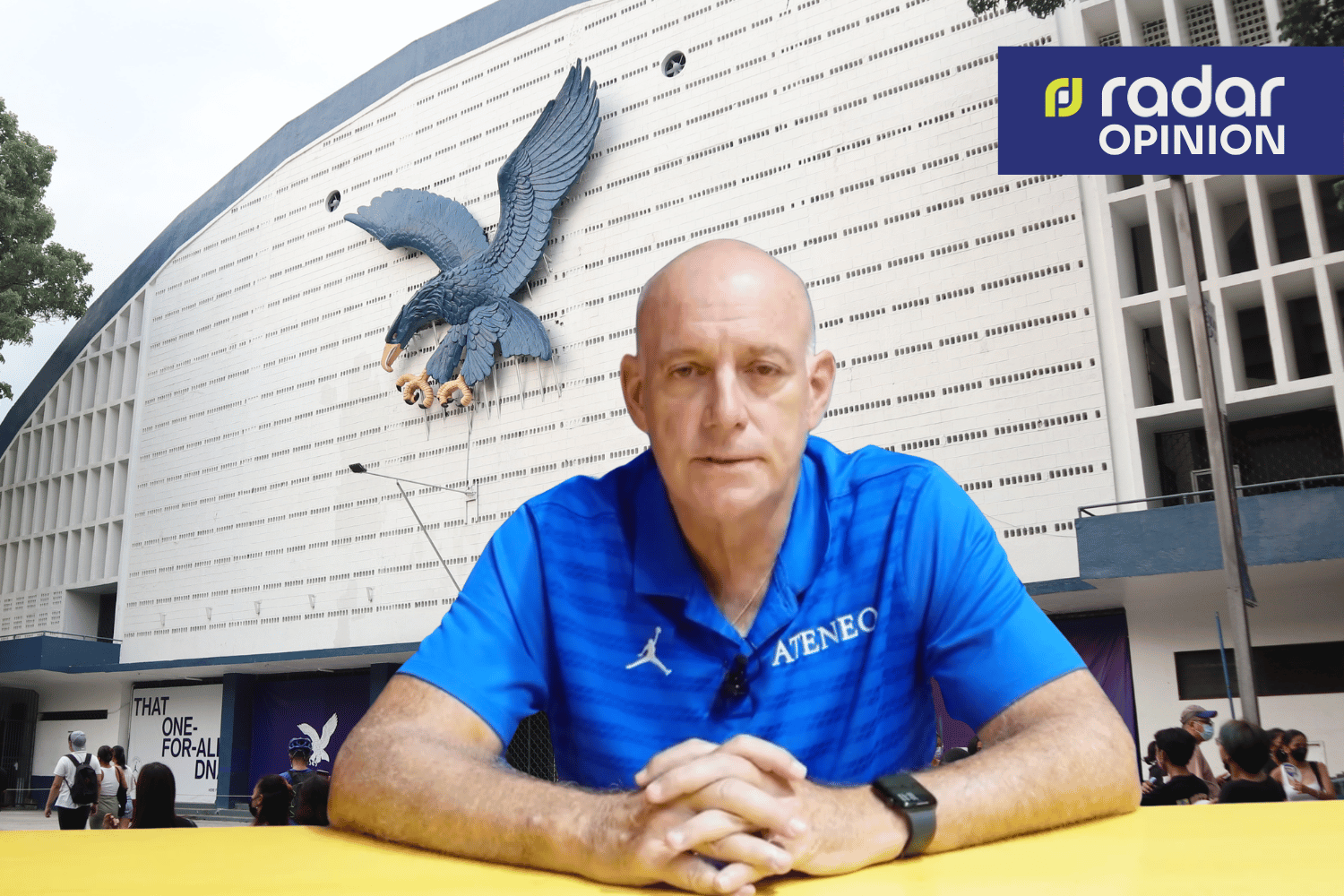
Does its “gag order” on Baldwin and overall response align with its “Men and Women for and with Others” virtue?
The tragic deaths of Ateneo basketball players Rene Baterbonia and Divine Adili during an off-season training camp in Aurora have exposed an elite institution. One that’s becoming increasingly difficult to defend, even for its own alumni.
Baterbonia, 18, and Adili, 21—reportedly swimming when they were “carried by a strong current into deeper waters” on June 8—are now being subjected to a second death through Ateneo’s institutional opacity.
Even after issuing statements after the fact, Ateneo has offered limited details. Instead of clarity, it has relied on managed communication.
On June 11, the university said it “requested” head coach Tab Baldwin to “refrain from making public statements to allow the official processes to proceed.”
Let’s call a spade a spade: it’s a gag order. Framed as a procedure, it reads to many as narrative control—at a time when the core issue involves the deaths of two student-athletes under institutional supervision.
A day earlier, Ateneo released a three-page statement saying it mourns the student-athletes and is seeking “the absolute truth” via a “thorough fact-finding inquiry.” Despite its length, it offered little explanation of what happened inside the training camp.
In a June 12 video, Baldwin spoke of the “failure” he felt as a “leader,” “coach,” and “friend.” But the message centered on personal reckoning, not the unanswered institutional questions surrounding the incident.
As a Jesuit institution, Ateneo is rooted in Magis (greater), cura personalis (care for the person), Finding God in All Things, and Men and Women for and with Others. These are meant to guide conduct, not function as branding. And in this moment, they risk reading as hollow ideals.
The public has since called on the University Athletic Association of the Philippines to ban Ateneo’s basketball program. While the anger is understandable, the response must still be grounded in principle.
In 2020, during the height of COVID-19 lockdowns, then-University of Santo Tomas head coach Aldin Ayo came under scrutiny after setting up a training “bubble” in Sorsogon. The situation escalated after players, led by CJ Cansino, left the program—and raised concerns about their condition. Their rants about “mamantika” meals even became a meme.
The UAAP didn’t sanction UST altogether. It imposed an indefinite ban on Ayo, saying he endangered “the health and well-being of the student athletes under his charge.” Accountability remained targeted, not institutional.
A blanket ban on Ateneo’s basketball team would only raise concerns on collateral damage. Even within a single sport, such sanctions inevitably affect student-athletes who had no role in the tragedy. Discipline must be precise: directed at those within the chain of command responsible for planning, approving, and supervising the activity.
Baldwin and team manager Epok Quimpo may “have gone on leave for the duration of the inquiry,” but the issue has moved beyond sport. It’s now about questions on responsibility, accountability, and institutional duty of care.
Ateneo’s silence may be framed as legal caution, but it mismatches the values it publicly professes. Magis demands accountability that goes beyond performance. Finding God in All Things demands moral clarity even in discomfort. Men and Women for and with Others demands that care doesn’t collapse under institutional pressure.
Authorities, including the National Bureau of Investigation and local police, must move with urgency. The families of Baterbonia and Adili don’t deserve managed communication or delayed disclosures.
Ultimately, this issue can only move toward the necessary legal process if there’s more transparency and less narrative control.
READ:
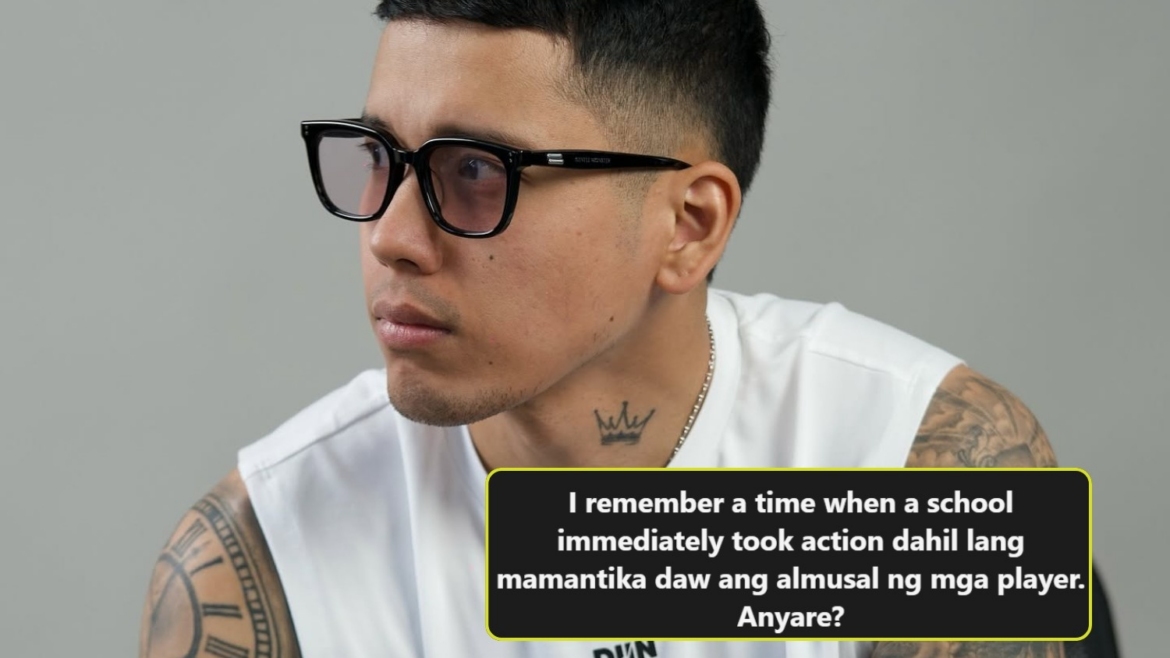
Tito Mikee’s cryptic post divides netizens on accountability in Ateneo drowning deaths
Denchelle Castro
June 12, 2026
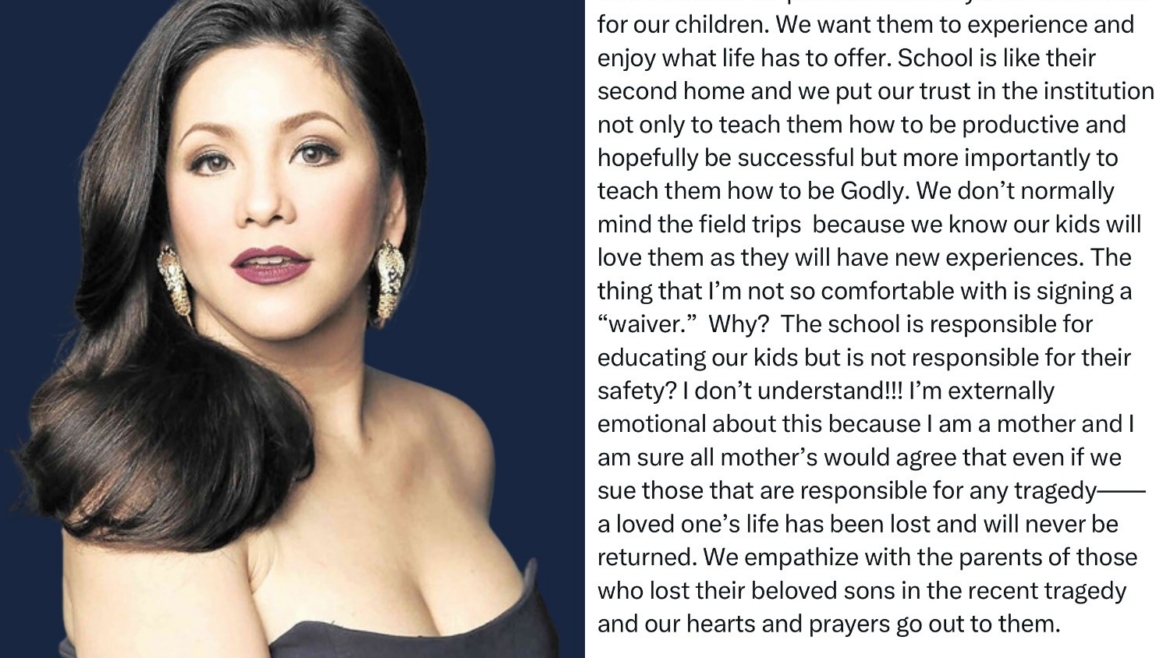
Regine Velasquez demands accountability in Ateneo drowning tragedy
Rafael Asonza
June 11, 2026

Universities face gross criminal negligence when team-building goes wrong
Walter C. Villa
June 9, 2026


OPINION: The Filipino masses are naturally suspicious of virtue signaling